

Outcast and Abandoned
Feeding the Rejected at the Malo Leper Colony
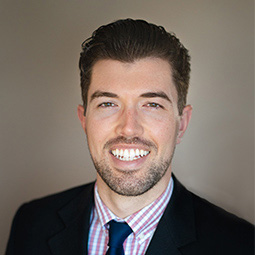
Sudan Relief Fund Senior Vice President Matt Smith was recently on the ground in South Sudan. He shares what he saw and experienced at the Malo Leper Colony.
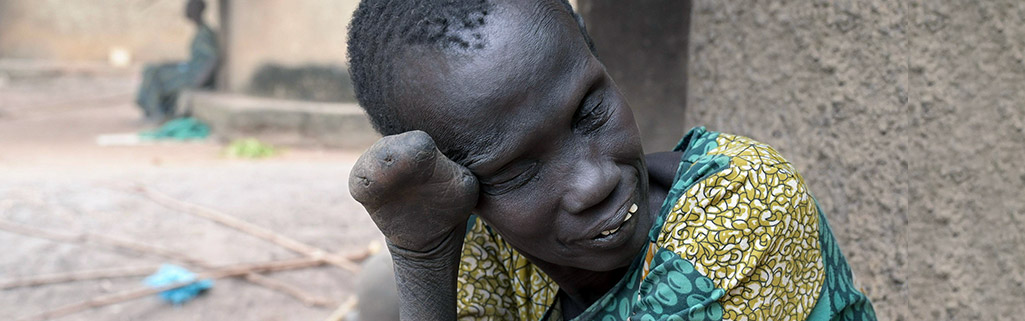
Tarcoth’s mother doesn’t speak. Ever since her son contracted the leprosy that is slowly disfiguring his face, she stopped talking. Some say it was too much for her and she broke down. She shut out a world that was too difficult to bear.
She lives with hundreds of other families in a community known as the leper colony of Malo. It was a last stop – a place they’ve settled after being driven away from everywhere else they lived.
They are the outcasts of society, shunned and rejected because of their illness. There are no government programs here to help them, so they are left to quietly die.
We like to think the ravaging illness of leprosy is eradicated from our modern world. But in poor countries and remote locations – where people live without the benefit of sanitation and infrastructure – leprosy still holds a sinister grasp on the extremely impoverished.
The disease consumes their lives, literally. Many victims can’t walk or wear shoes, because leprosy attacks the extremities first. Toes and feet are destroyed or misshapen. Often they can’t grasp tools people would use without a second thought. This is because their hands have become rounded stumps where fingers used to be.
They can’t go to work, or even to a doctor where they could get medicine to stop the disease. Because of their stigma, they’re prevented from going into towns and getting the help that could make them well.
As a result, victims may quietly starve. Or die in attacks from wild animals while they sleep in the remote locations they’re driven to – too weak to defend themselves. In today’s world, there should be no reason for people to suffer or die from leprosy.
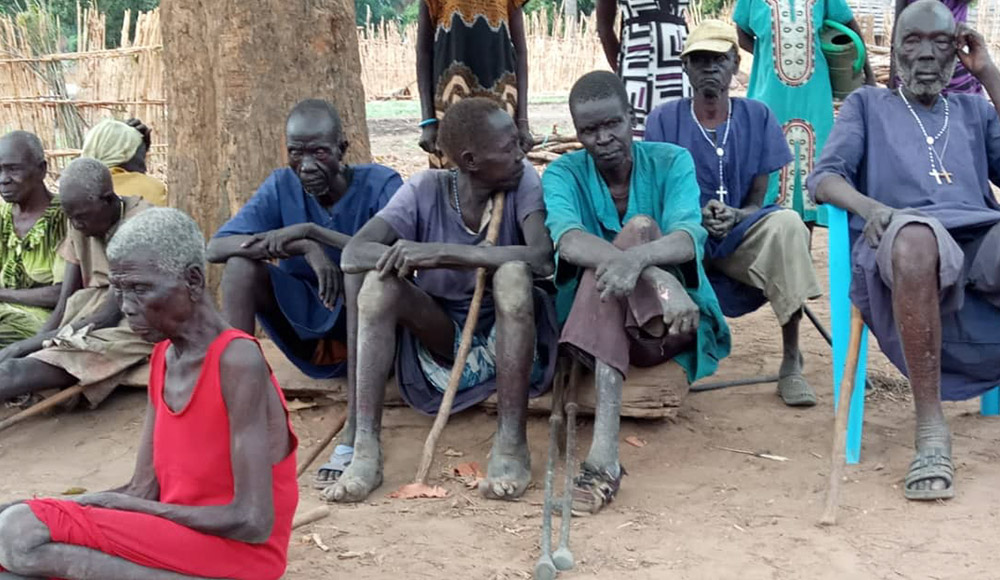
Leprosy still destroys lives: rejected and isolated in a prison of illness that disfigures their bodies.
I just returned from a trip to South Sudan where I had the opportunity to visit a leper colony in Rumbek that Sudan Relief Fund has been supporting.
What I saw was both heartbreaking and encouraging. I saw people who’ve endured extreme suffering but smile with hope. People who’ve been deprived of everything yet strive to offer us their humble hospitality.
I was moved by their positivity despite what they’ve been through. I was also starkly reminded of the glaring need that exists here.
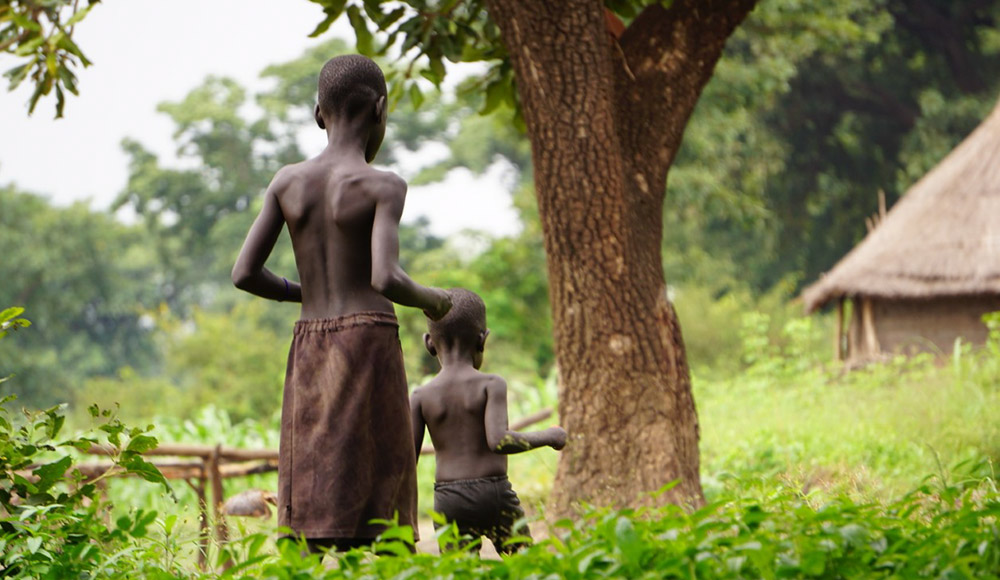
Victims are forcibly cast out into remote places instead of given help that could save them.
The Catholic media network, EWTN, previously visited the leper colony of Malo to shed light on their struggle and spotlight Sudan Relief Fund’s work.
“I was drawn to their radiant smiles and outstretched arms.” -Colm Flynn, EWTN
Journalist Colm Flynn reported, “I learned that their limbs had been amputated…to prevent the further spread of leprosy…For the ‘lucky’ ones, it would stop the spread of the disease to other parts of their body. But for others it can be too late, if the leprosy has already spread too much.”
He was taken aback by the living conditions they battle to survive. “Try to imagine a life where you have no electricity, no running water…torrential rain floods your mud hut, and periods of scorching heat leaving the land barren. Every day you must think of where your food will come from.”
Dangerous Food Shortage
Sudan Relief Fund works locally with the Missionary Sisters of Charity – the same order of nuns founded by Mother Theresa – to deliver lifesaving aid to hundreds of lepers in the community of Malo. These include families, elderly, and children.
Without this support, families who cannot farm for themselves would have no food to eat.
Food shortages resulting from the war and instability in Sudan have affected everyone. Interrupted trade routes are hindering delivery of supplies. Food insecurity is everywhere here.
The Sisters reported an urgent need for the most basic supplies – like beans, maize, oil, salt, sugar, and soap to help these families survive. There aren’t the resources to support the leper community right now unless they receive help.
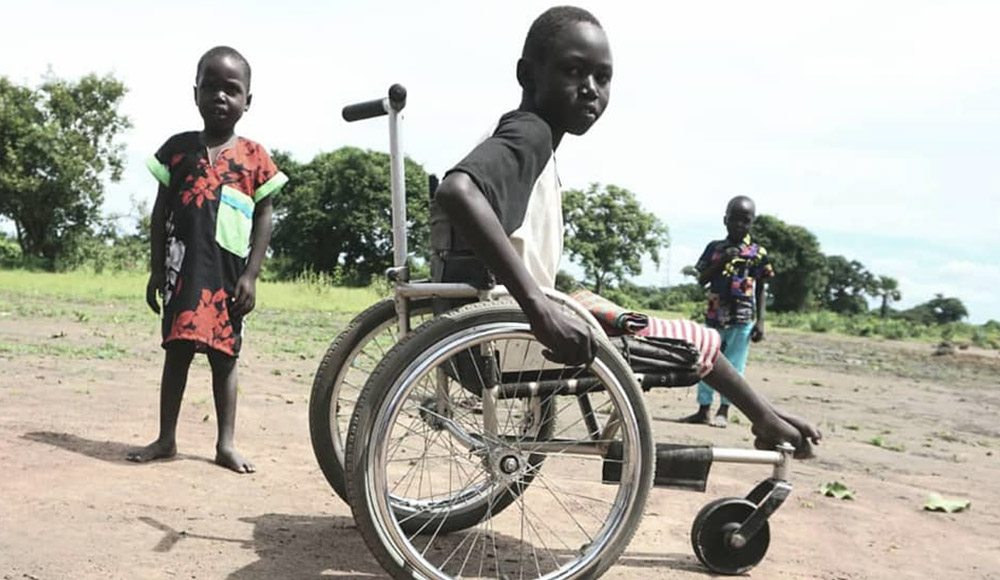
Children of the Malo leper colony – forgotten and shunned by the world.
I’ve personally had the opportunity to see the service and compassion the Missionary Sisters of Charity faithfully provide the lepers of Malo. It’s changed these people’s lives from despair to hope. I’ve also seen the heart of the victims, who want to do all they can to help themselves, but desperately need assistance.
Just $59 US can feed a family in the Malo leper colony for an entire month. That’s how far your support can go and the impact it can make.
Victims like Tarcoth and his mother have endured unthinkable tragedies, as have all the families in the leper colony of Malo. But their resilient spirit, with the help of the Sisters and people like you, bring strength and hope to this courageous community.
As one who has seen their plight firsthand, I urge you to please remember those who’ve been cast aside. When you sit down for a meal with your family, or go to the store to pick up groceries, please think of these families. Many of us are so blessed. Perhaps you will be the blessing that is so needed and hoped for by the forgotten families of Malo.
PS – Without intervention, hundreds of leper families will have nothing to eat. They are utterly vulnerable and dependent because of their illness. Please remember their tragic circumstances and share a compassionate gift if you can.

