

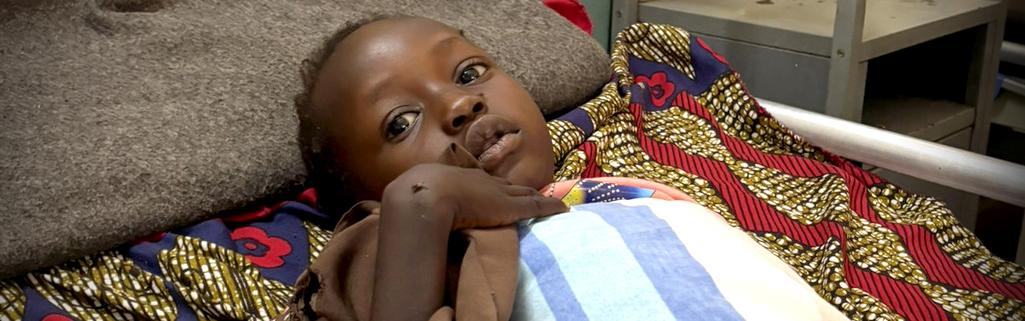
When Every Hour Counts
End the Preventable Death Toll of Childhood Malaria
The rains have come. And so has malaria. And that puts many children’s lives in danger.
Malaria steals the futures of more children before their fifth birthday than any other cause of death in South Sudan. More than typhoid or malnourishment or even violent conflicts.
Children less than five haven’t developed the immune systems to survive it. In fact, 75 percent of all malaria deaths occur among young children. A whopping 90 percent of youngsters in this region will be infected with malaria before they reach age five.
And without timely medical treatment, malaria turns deadly for a child.
But these children are dying of a disease we know how to treat. Antimalarial medicine can stop malaria in its tracks. Right now we’re asking you to help put lifesaving medicine between vulnerable children and an unnecessary killer.
Malaria medicine simply saves lives.
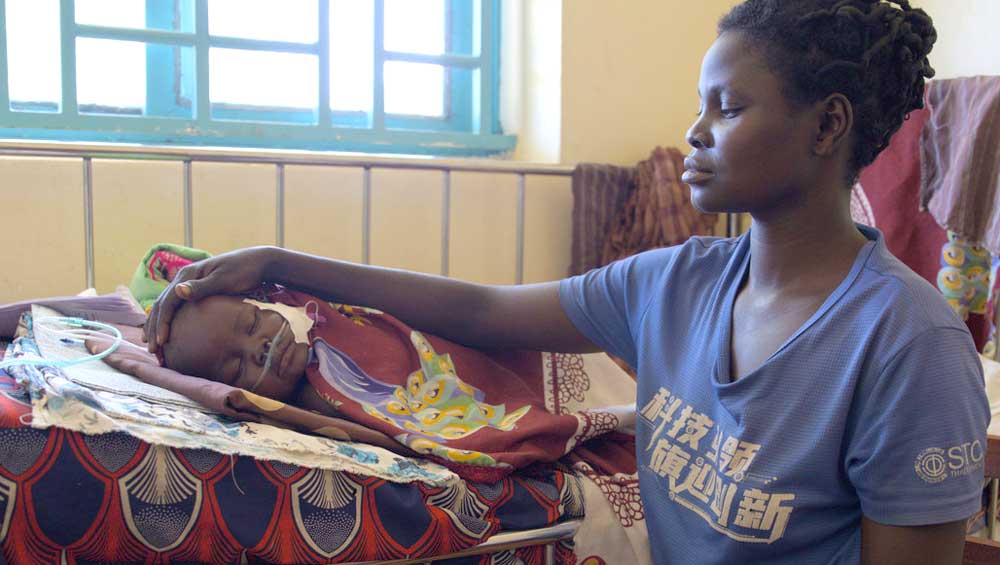
In some hospitals, 70 percent of beds are filled with malaria patients. Medicine is running out.
A Deadly Breeding Ground
In sub-Saharan Africa, malaria is everywhere. In places like South Sudan, the annual rainy season leads to flooding and widespread standing water. Pools of stagnant water are a perfect breeding ground for mosquitoes that carry the disease.
Malaria is caused by a parasite that’s picked up by the mosquitos. Mosquitos transmit the disease to people when someone is bitten, injecting the malaria into the new host. Large populations of mosquitos intensify the malaria epidemic.
Anatomy of the Downward Spiral
Once a child has been bitten by an infected mosquito, the malaria parasite travels to the liver where it multiplies for one to two weeks.
After the incubation period, it enters the bloodstream, triggering the onset of symptoms that arrive in stages. The first signs are flu-like – fever, chills, headache, muscle aches, fatigue, nausea, vomiting, loss of appetite.
The infected child begins to suffer cycles of extremes: high fever and sweats contrasted with periods of cold chills. These stages can last from minutes to hours. High fever stages can bring on rapid heartbeat and delirium.
If the malaria progresses without intervention, a sick child can have difficulty breathing, kidney failure, seizures, and coma – what is often known as cerebral malaria, the deadliest stage.
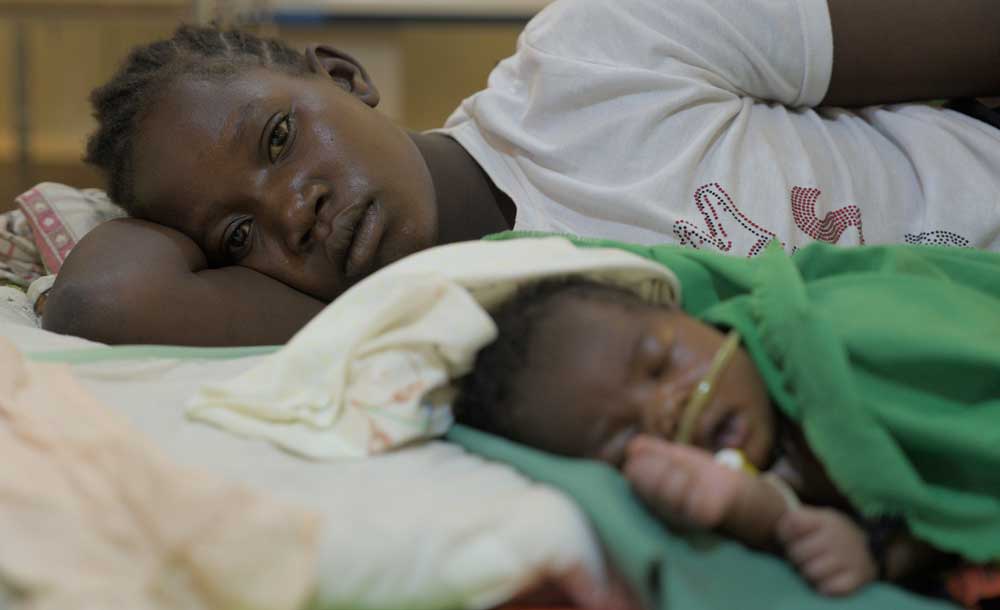
Children are more vulnerable to malaria than adults and the highest number of victims.
The Antidote: Malaria Medicine Saves Lives
Malaria does not have to be a death sentence. Survival rates are very high with prompt treatment. Even for children. This makes the catastrophic number of child deaths each year even more tragic. It doesn’t have to happen.
This is why access to malaria medicine and timely care is crucial. For uncomplicated malaria, patients are treated with oral medicines, while severe cases may require an IV given directly into a vein. Once in the bloodstream, the medicine attacks malaria parasites inside infected red blood cells, damaging vital proteins and rapidly killing them. A second drug then clears remaining parasites to help prevent the infection from returning.
Early diagnosis and prompt treatment of malaria make all the difference. Every hour counts. Delays of even 24-48 hours significantly raise the risk of severe complications and death.
A Six Year-old Girl’s Saga
Six-year-old JB came to the Graham Pediatric Center at St. Theresa Mission Hospital in Nzara in critical condition. She was suffering from cerebral malaria. She had a high fever. She was having convulsions, her kidneys were compromised, and she was unconscious.
The medical team immediately gave JB intensive treatment, including antimalarial medicine through an IV, a blood transfusion, and fluids, while carefully monitoring her kidneys.
As her fever gradually subsided, her convulsions stopped, but she remained in a coma. Then one morning, following days of dedicated care, she opened her eyes.
In a short time she could sit up, eat, and talk again. As her strength returned, she could stand up. The staff cheered the day JB was able to walk across the room. The little girl went home in stable condition with no ongoing complications. Her future would not be stolen by the menace of malaria.
Other Sudan Relief Fund facilities like St. Peter’s Health Clinic in Ave Maria and Mother of Mercy Hospital in Sudan’s Nuba Mountains are working overtime to deliver medicine and critical care to the surging number of malaria patients.
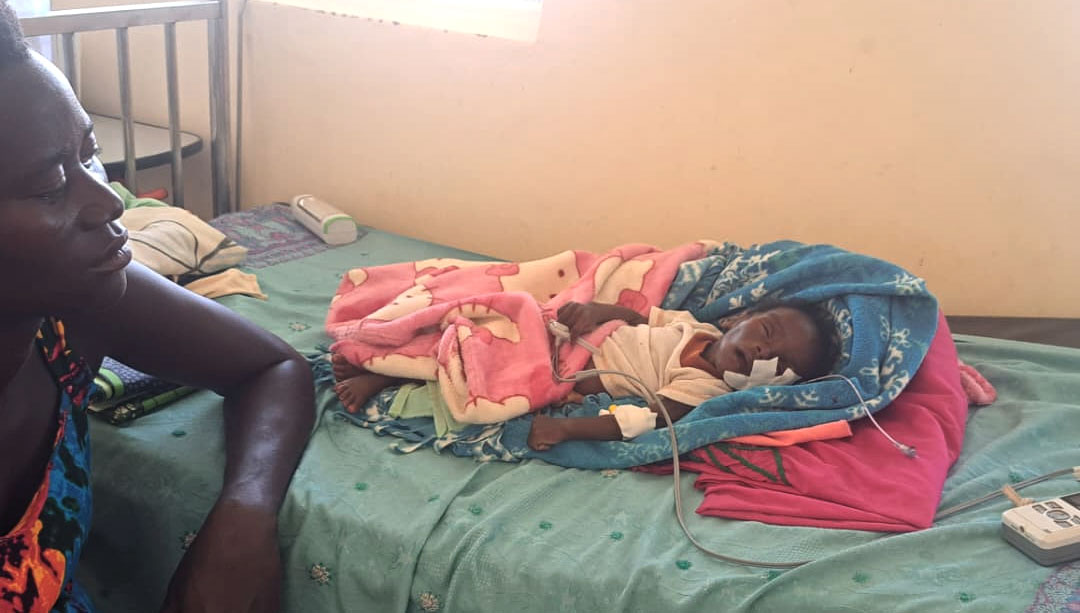
90 percent of children here will contract malaria — a leading cause of death in children under age 5.
Not all children are as fortunate as little JB. Malaria is so rampant that medicine stocks are running out. Local health clinics sometimes have to turn people away with no treatment available. Because many don’t have access to health care or transportation, some parents are carrying their children greater distances to reach locations that have the medicine.
The parents of 8-year-old Nyamal from Agok carried their daughter for two days to reach a health clinic in Abyei. They slept on someone’s floor along the route during the darkest hours, rising as soon as enough light shone for them to see their way.
Nyamal had gone 48 hours without treatment and was unconscious by the time she arrived. Malaria has been so common in her region that the clinic said they “rarely saw a patient who didn’t have it.”
Nyamal would be one of the lucky ones. Her parents found medicine and emergency care for her in time at the clinic. It saved Nyamal’s life. Another child whose parents had arranged a motorbike transfer did not. Clinicians had to soberly inform them their child had passed away somewhere along the route to reach the clinic.
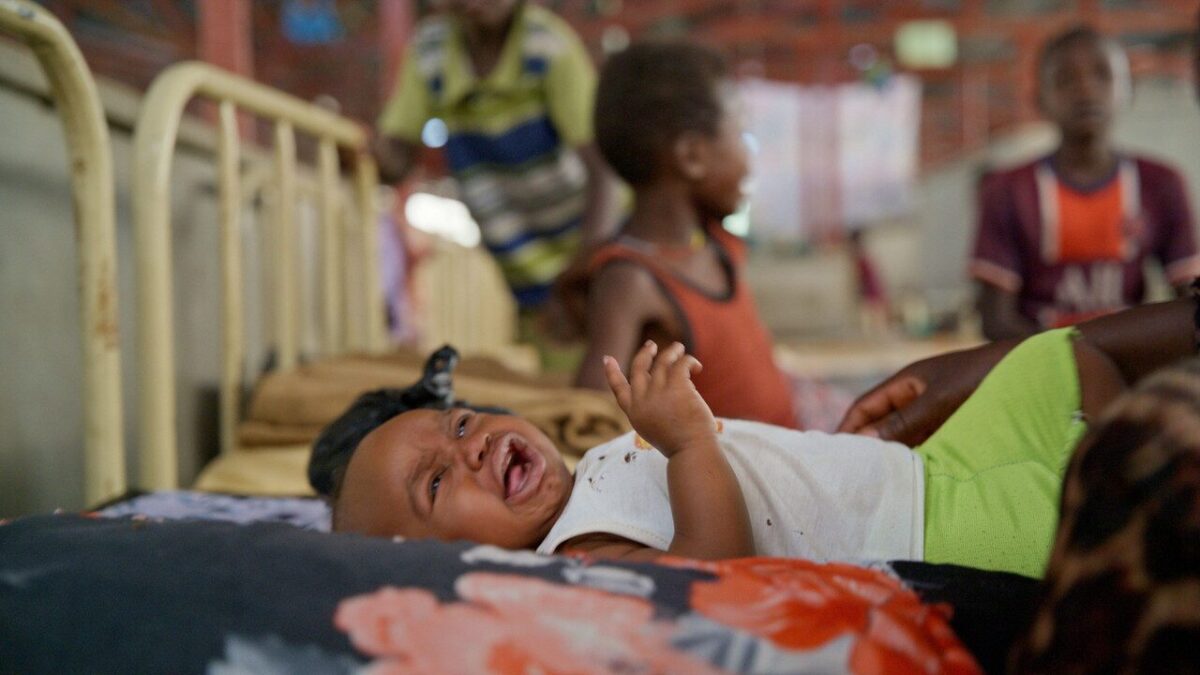
Children don’t need to die from malaria. Survival rates are high if they can get medicine and prompt care.
Help Stop Malaria From Taking Another Child
This is the reality of malaria. The WHO Director General said that “For centuries, malaria has stolen children from their parents and stolen health from communities.” But that same director also said in a 2026 World Malaria Day message that “ending malaria in our lifetime is a real possibility.”
Right now, hospital beds at Mother of Mercy and St. Theresa’s are crowded with malaria patients fighting for their lives. More patients are being treated for malaria than for any other condition at these hospitals. In some wards, up to 70 percent of the admitted patients are malaria patients.
Rainy season is in full force. Supplies of antimalarials are running out. Without these medicines, other children like JB and Nyamal may not get the chance to survive. They will fall victim to tragic deaths that could have been stopped.
A child’s life. A simple medicine that can change everything. Your support puts that medicine in the path of children who need it. Will you make a difference in a sick child’s life today?

PS — For a child with malaria, every hour counts. The need is high and supplies are low. Please don’t wait to help. Put lifesaving malaria medicine in the hands of doctors, before another child runs out of time.
 Increase Your Gift at No Extra Cost!
Did you know you may be able to double the amount of your gift without giving an additional dollar of your own? Thousands of companies participate in Corporate Match programs. This means they match dollar-for-dollar the amount their employees donate to charitable organizations – doubling your gift! Imagine creating twice the impact of your contribution.
Learn more about the Corporate Match Program.
