

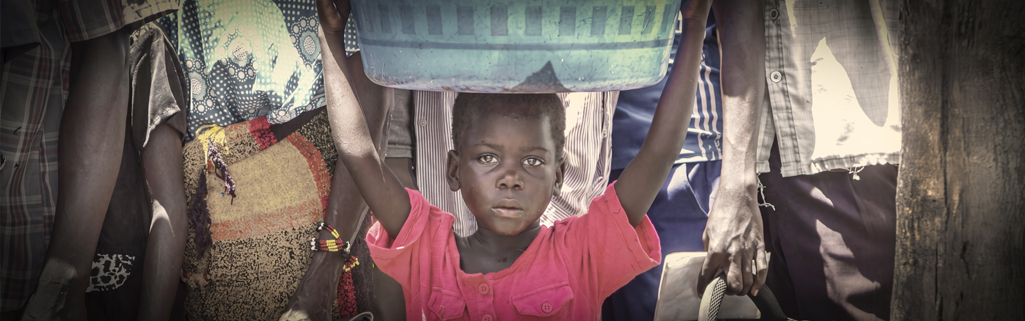
When Your World is Swept Away
As the Land Disappears the Displacement Crisis Grows
Riek was desperate to get her four young children to safety when the floods came. Her children were too young to trek through the water. But she couldn’t carry all four of them. She didn’t know what to do.
During the night the water stopped rising. But it didn’t recede. She waited as many days as she could. Food was running out and the water went nowhere. In desperation, she finally sold her most valuable possession – her cow. She bought a canoe in exchange for the cow and rowed her children away in search of help, leaving their flooded home behind.
Riek and her children reached the Bentiu IDP (internally displaced persons) camp, joining a staggering population of more than 100,000 people displaced by floods or Sudan’s war. All desperately hoping to find dry land, clean water, food, and safety.
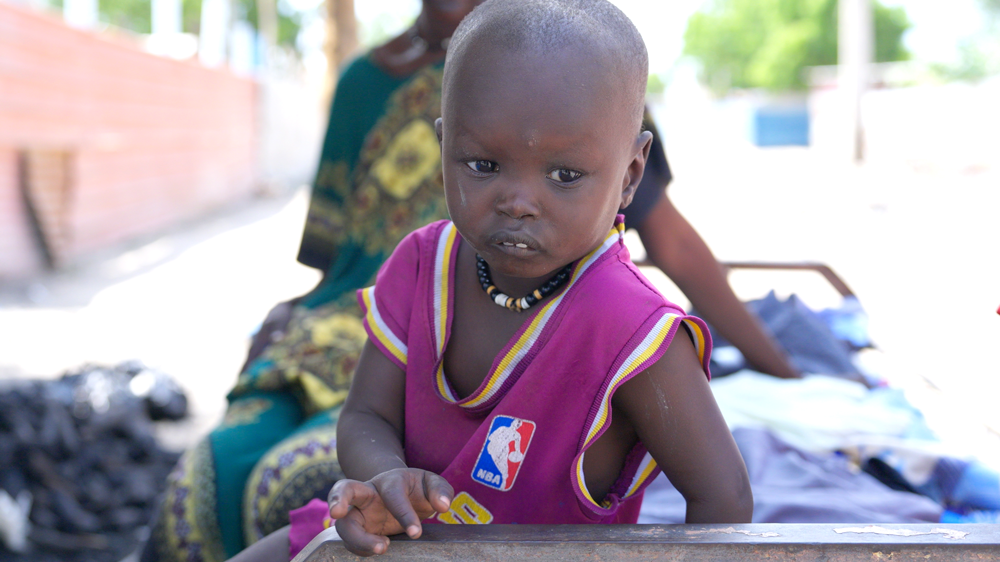
The mobile care unit goes tent to tent finding the vulnerable and forgotten in Bentiu’s vast refugee camp.
The land that is here today may be gone tomorrow. Especially if that land rises above the floodwaters in Bentiu.
More than five years of severe flooding decimated the region. So much that the landscape is barely recognizable to those who knew it as it once was.
Some 70-80 percent of the land has been submerged and remains submerged year round, turning portions into swampland and vast stretches of murky standing water.
There’s more water than land in Bentiu these days. Hastily constructed dykes form narrow strips of land around now-permanent lakes. They’ve become the only trails above the water where people can walk from one place to another on muddy earth.
People here used to survive on agriculture. Now their submerged farms no longer support crops or livestock. While more than a hundred thousand already crowd into the Bentiu camp, added refugees from South Sudan’s conflicts or Sudan’s civil war push the camp’s populations to the limits.
With many flooded or impassable roads and extreme poverty, there is little opportunity for refugees to get elsewhere.
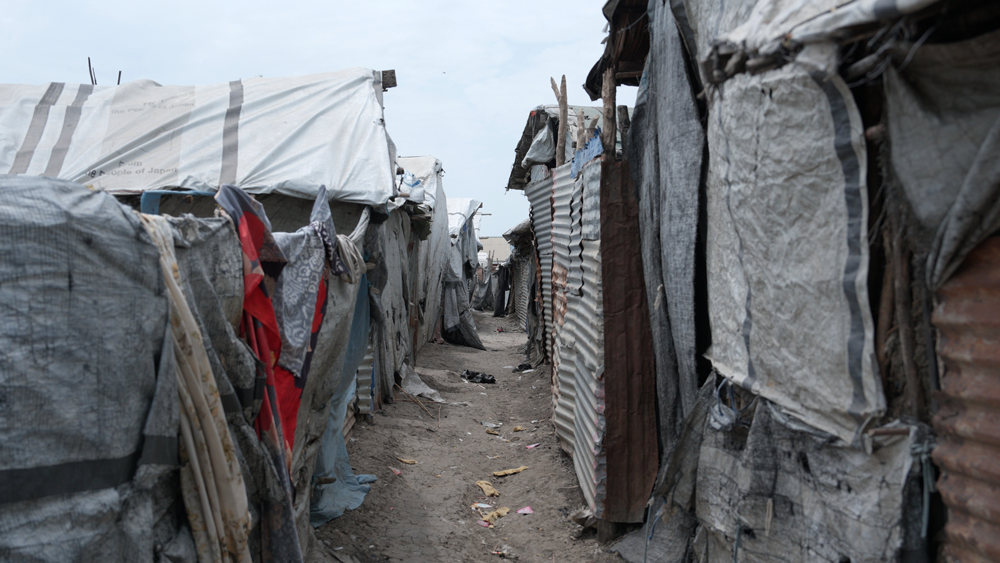
Families crowd into squalid camps after water swallowed up nearly 80 percent of the land in Bentiu.
Appalling Conditions
The camps are alarmingly overcrowded and under-resourced. An average of 9 people live in each tent. They are almost fully dependent on aid to survive. Some try to fish where the waters aren’t contaminated, but no one is really sure where it’s safe.
Sanitation is minimal to non-existent. Especially when dykes flood in the rainy season and raw sewage flows indiscriminately through the camps. Flooding and sewage are a constant threat. More than half the population – an estimated 57% – are children living in these filthy conditions.
Sudan Relief Fund’s Matt Smith recently visited Bentiu and saw conditions firsthand. Sudan Relief Fund donors helped drill water wells to provide direly needed clean water.
Health care is also a desperate need. But how do you provide health care to over 100,000 people where there is barely any land and constant flooding?
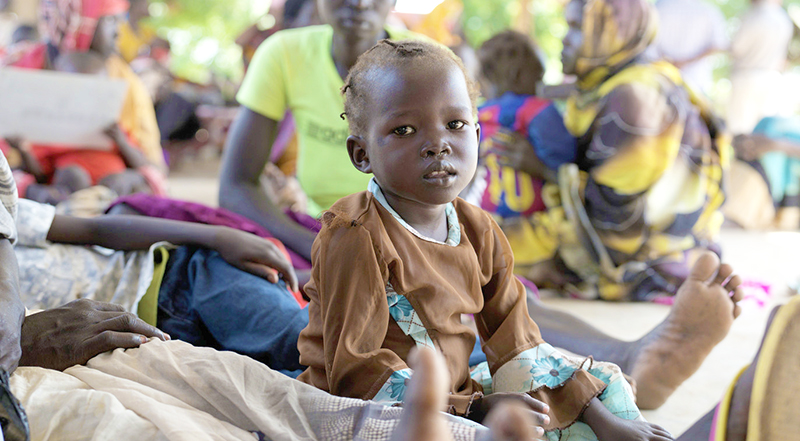
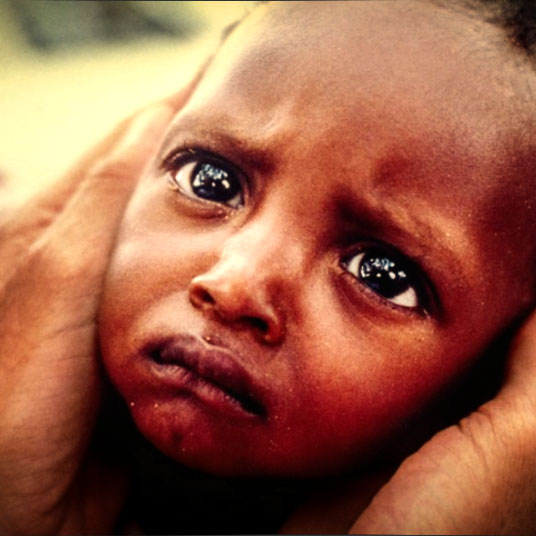
More than half the victims are children living in deplorable conditions with flooding sewage.
Medical Care Amid the Most Challenging Conditions
Sometimes extreme conditions require creative solutions. To help meet the tremendous need for health care in camps surrounded by water and narrow dykes, SRF supports a collective of medical professionals called the Compassionate Care Group.
Directed by an Italian nurse, the group operates like a mobile clinic. Three teams of five people regularly move throughout the camp, going tent to tent checking on families who live there.
During these visits, the groups identify severe medical cases that would go unnoticed or neglected. The team then creates treatment plans to improve lives and promote dignity for people living in some of the most deplorable conditions imaginable.
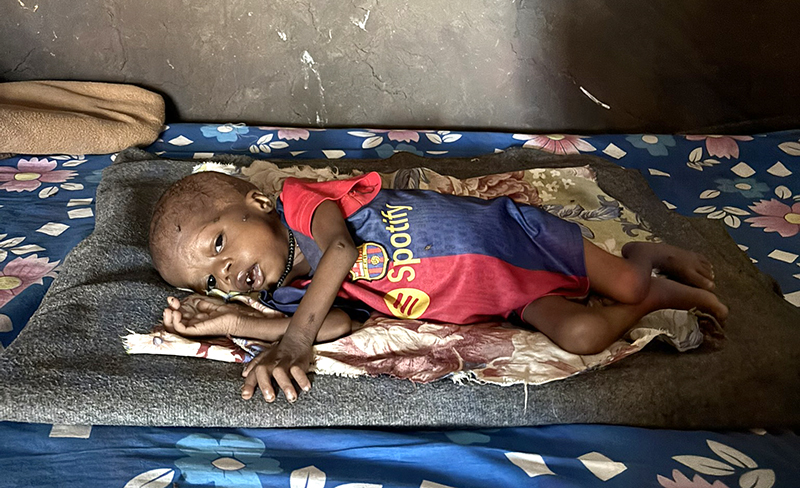
Santino needed urgent medical care for his heart. The mobile team found him in time.
Finding the Forgotten
Many of the patients identified are too weak to get up and seek help. One such patient is a 12 year-old girl the team found alone in her tent, named Nunjuma. At some point she had suffered brain damage. Because of her condition, she was abandoned and left completely unattended in the sprawling camp. She was unable to walk, so she couldn’t go anywhere beyond her tent to provide care for herself. Nunjuma had been forgotten. Left behind.
The care team found her and assessed her condition. Nunjuma needed a wheelchair and was physically able to use one, but didn’t have one. During their trip, the SRF team was able to secure a wheelchair and deliver it to Nunjuma, so she would no longer be confined to her tent. Being mobile was essential to her being able to move about the camp, get her food rations, and seek assistance if she needs it.
In other instances, a condition may go unknown. This was the case for a toddler named Santino. When the care team found him on a routine visit, Santino was lethargic, lying on a blanket on the ground, lacking the energy of a toddler.
The care team determined Santino was not just suffering from malnourishment. He had cardiac issues that required attention. His parents had no way of knowing. Thanks to the Compassionate Care Group locating him, Santino will receive vital medical care he needs.
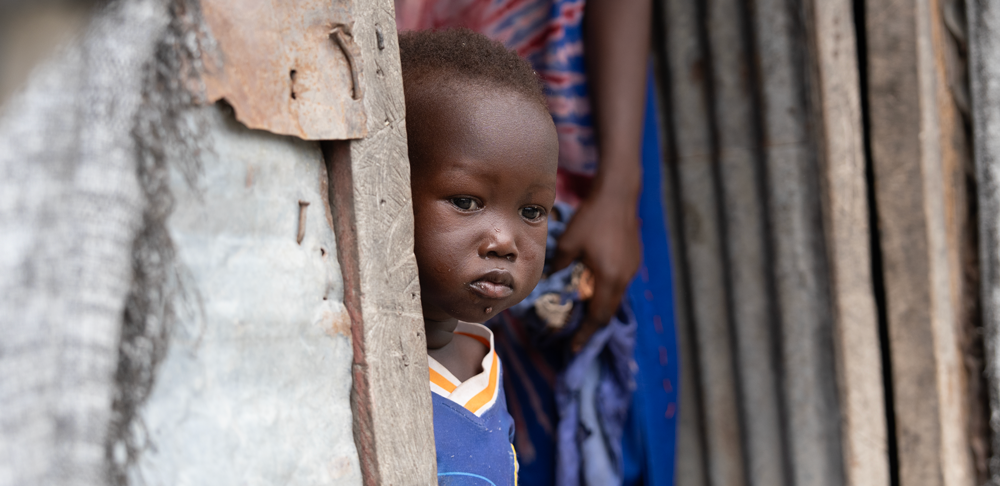
The mobile care unit finds and identifies vulnerable ones like orphaned children in the camp.
A Colossal Humanitarian Need
The Compassionate Care Team’s mobile clinic goes through sections of the massive Bentiu camp on a regular basis, bringing treatment to people unable to reach it. The group is comprised of incredibly dedicated people working in thankless conditions, to provide care for people in desperate circumstances.
But they need resources to do this charitable work.
The situation in Bentiu is a massive tragedy arising from a perfect storm of extreme weather, conflict, and widespread displacement.
In 2025 alone, monumental flooding affected over one million people nationwide, forcing many into IDP camps. Unity State holds more IDPs and refugees than any other part of South Sudan, estimated at nearly half a million people.
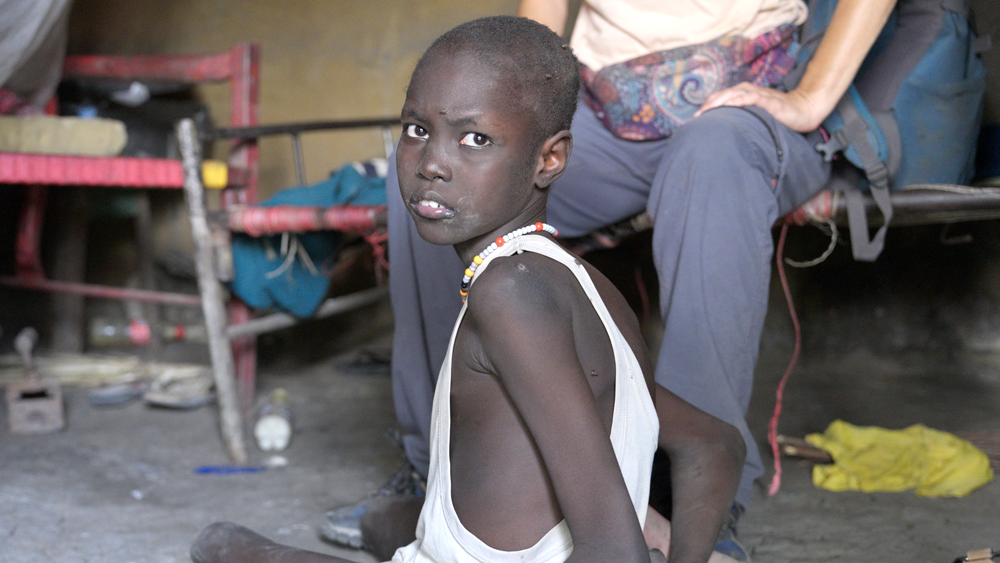
12-year-old Nunjuma was abandoned and couldn’t walk. The team found her and gave her a wheelchair.
Bring Hope to the Hopeless
When your livelihood has been swept away, your current shelter regularly floods, and the strips of land you survive on with crowds of other people continue to diminish, it’s easy to feel like there’s no hope.
Yet this small group demonstrates the reverberating impact just a few people can make. They continue to find people in severe need of medical care in the vast camps of Bentiu. Children, mothers, or elderly who’ve been overlooked and forgotten, restoring dignity to the suffering.
Mobile health care services bring aid to those who are unable to go get it. Through a personal touch with in-person visits and checkups, these medical professionals are preventing needless deaths and stopping the spread of contagious illness.
Would you consider helping these dedicated caregivers who bring hope to devastated families? Your compassionate gift helps provide medical care to the vulnerable and forgotten – like a twelve year-old girl who couldn’t move without a wheelchair. Or the overlooked like little Santino, whose parents didn’t know his heart needed treatment.
Every life is precious. Every gift makes a difference. You can make that difference.
When you’ve been through great tragedy, the smallest act of kindness can mean more than most of us will ever know. Especially in a place like Bentiu.

PS — The mobile care clinic may be the only chance these families have to receive medical treatment. The care unit is making a compassionate difference, but they can’t do it without help. Please share a gift to support this merciful work for people in desperate conditions.
 Increase Your Gift at No Extra Cost!
Did you know you may be able to double the amount of your gift without giving an additional dollar of your own? Thousands of companies participate in Corporate Match programs. This means they match dollar-for-dollar the amount their employees donate to charitable organizations – doubling your gift! Imagine creating twice the impact of your contribution.
Learn more about the Corporate Match Program.
