Samira Sirer Tia

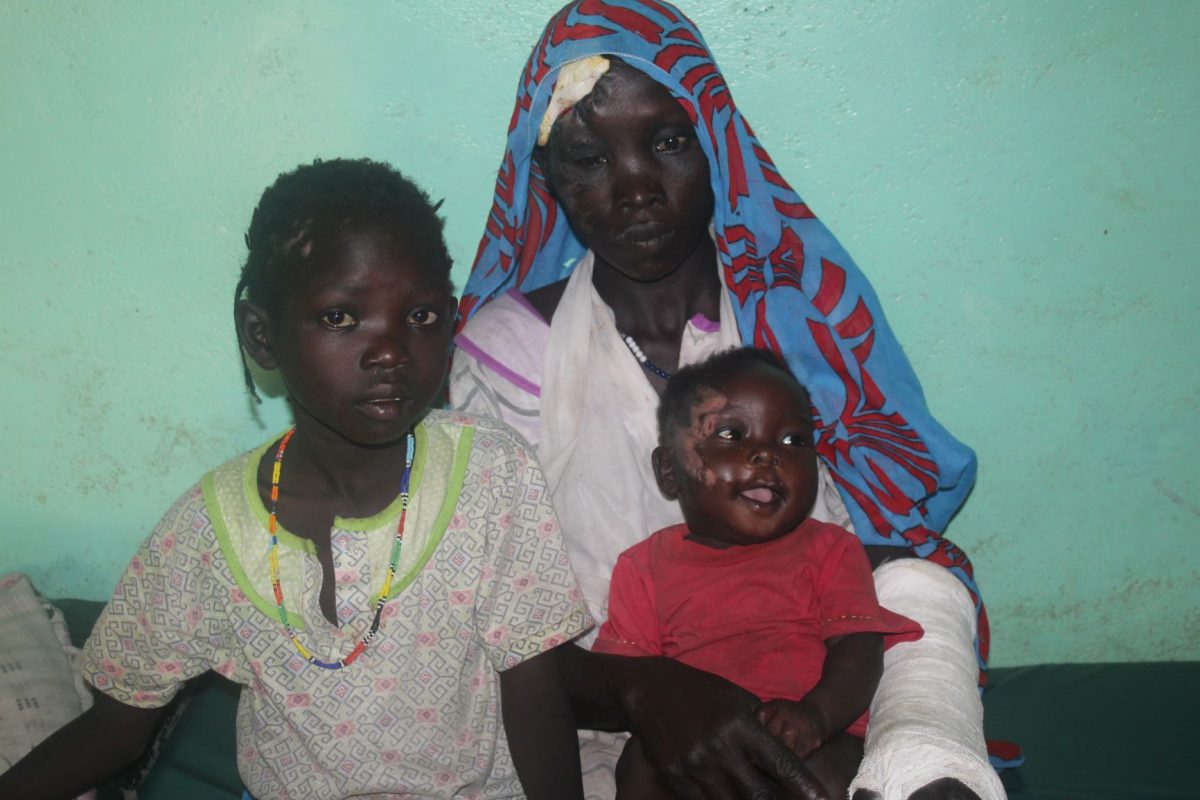
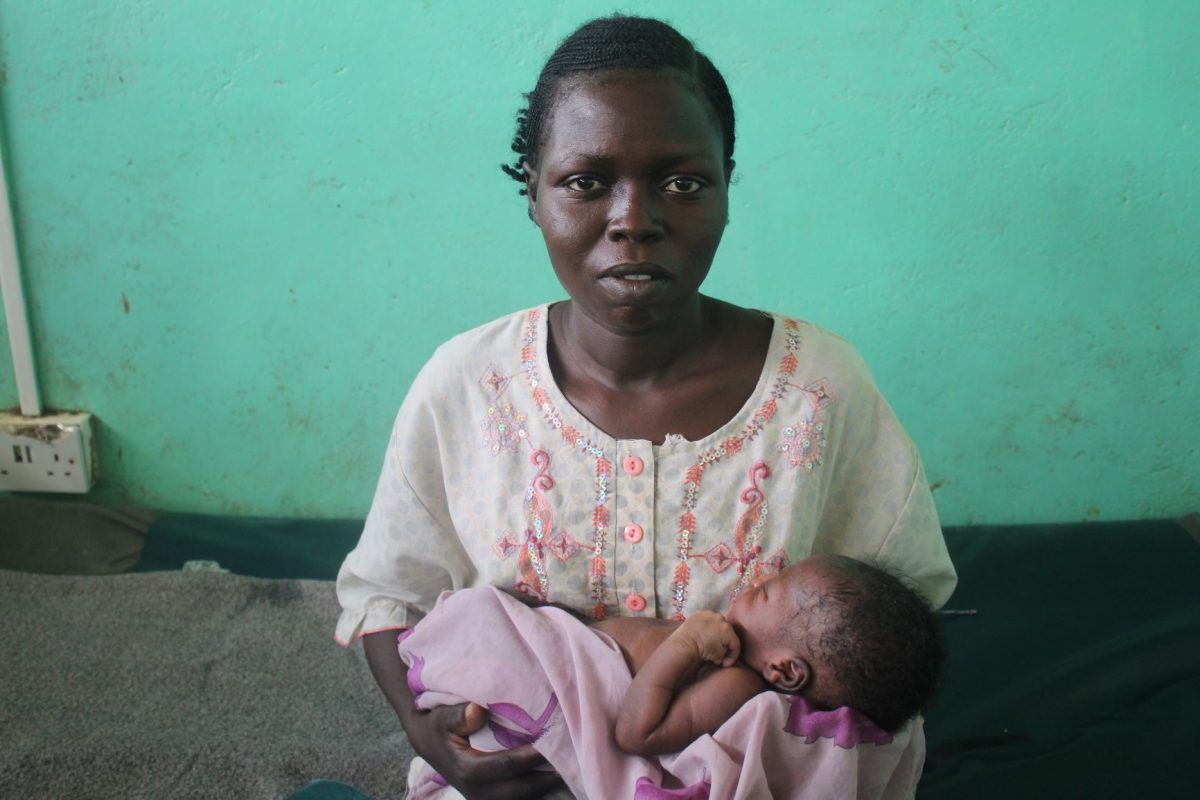
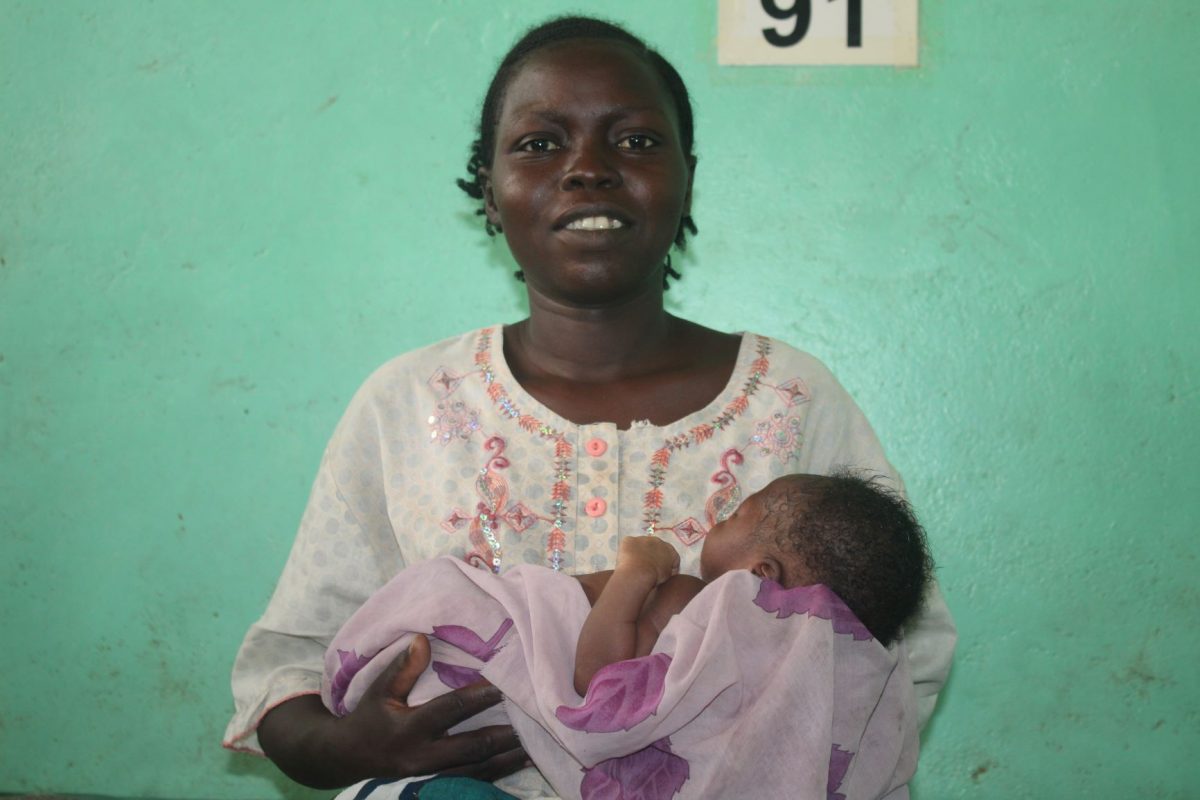
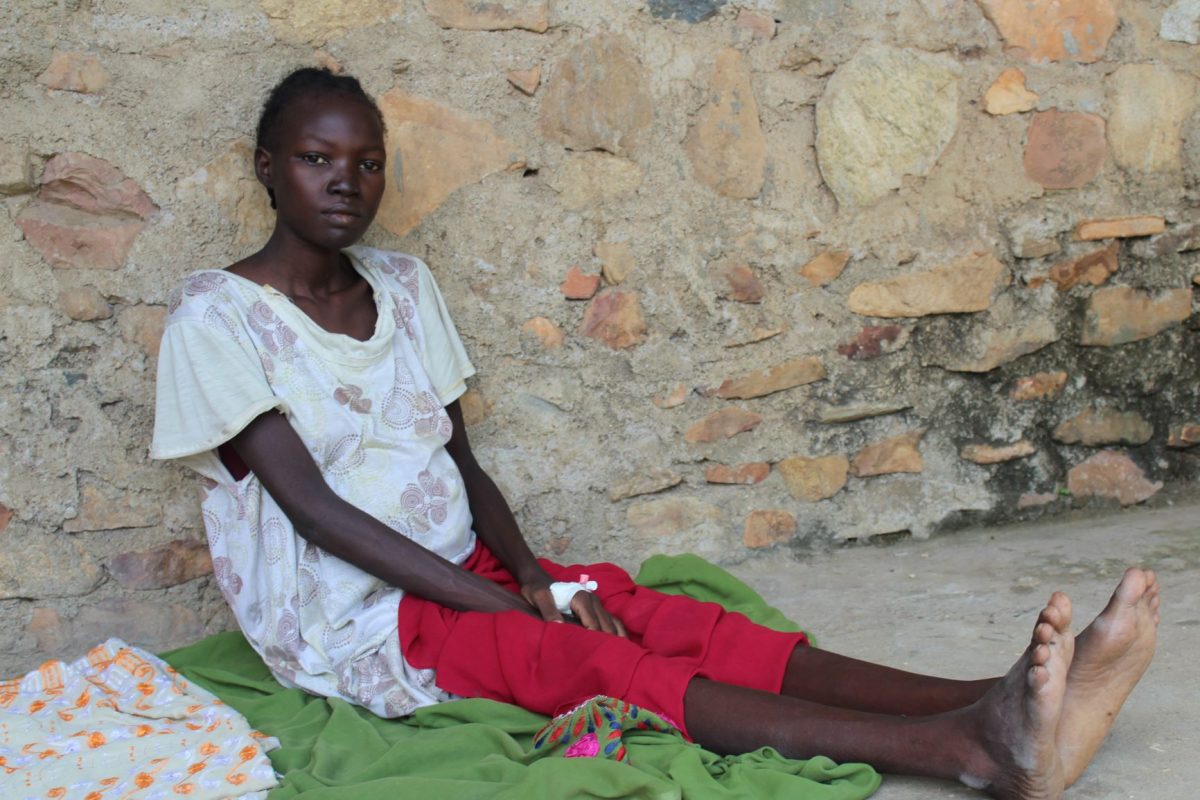
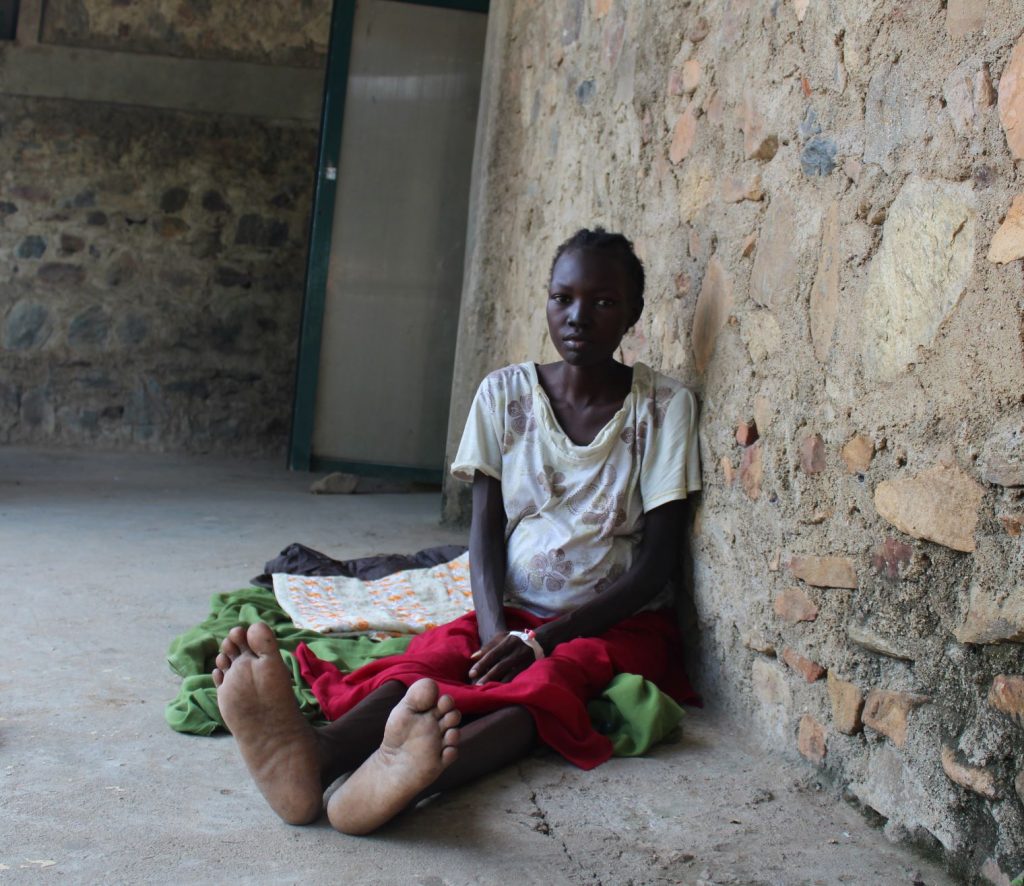
Meet Samira Sirer Tia. She is 25 years old and a busy mother from the village of Dabakaya in South Sudan. Earlier this year Samira became pregnant, but this time things were different than usual. From the outset she began to feel dizzy and weak. Soon this became so severe that she went to the nearest clinic to find out what was wrong. Samira spent seven days at that clinic but was eventually discharged. They told Samira she lacked blood, but the clinic could not do blood transfusions. So she was released and went home.

In just three days’ time Samira grew far worse and became so weak she couldn’t even move on her own. To move anywhere she had to be carried. She was taken to a different clinic where the staff referred her to the Mother of Mercy Hospital for further medical management.

It was nearly a ten-hour drive from Samira’s village to Mother of Mercy Hospital, a facility supported by the Sudan Relief Fund and made possible by the support donors. At six months pregnant, Samira was severely anemic and had a hemoglobin count of only 3.0. (A normal range for a woman is 12 to 15.) This was a life-threatening condition resulting in severe anemia since she did not have enough red blood cells to carry oxygen to her body. Samira was immediately admitted for critical care and remained for several weeks.

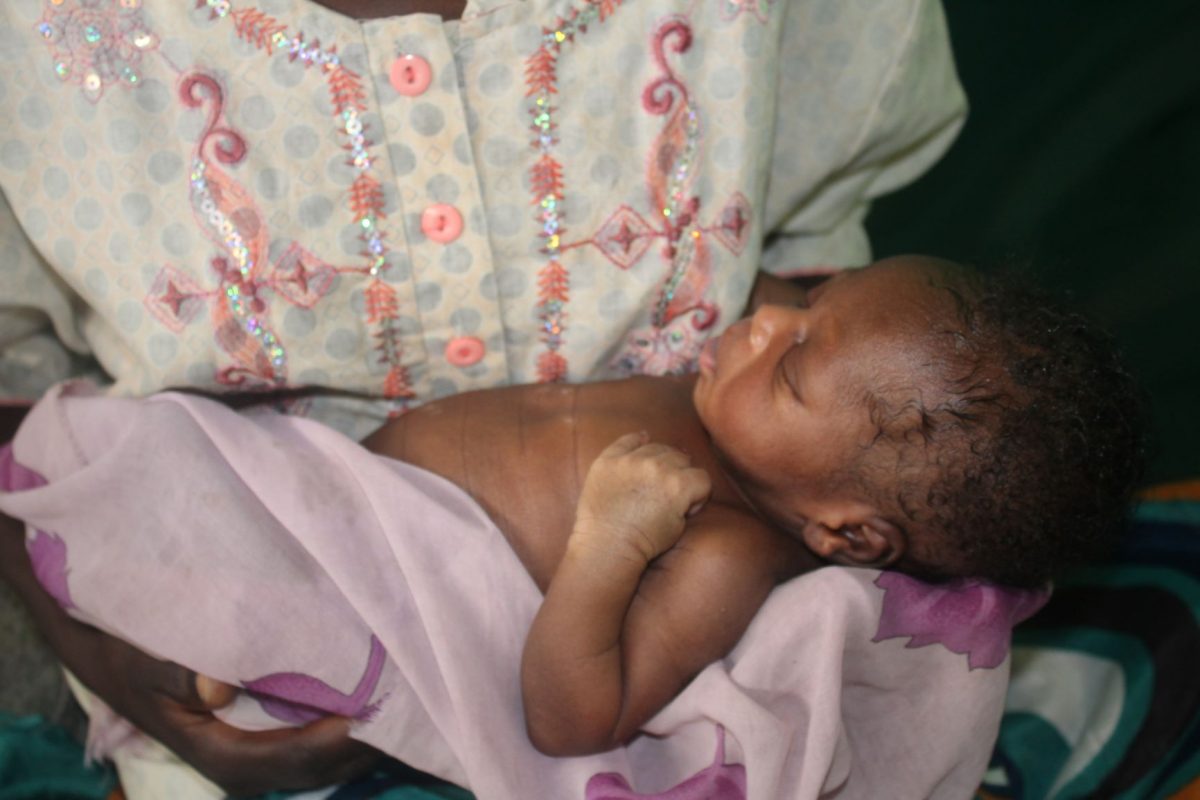
Thanks to her treatment at Mother of Mercy Hospital, Samira can now walk on her own again. Her pregnancy progressed well and she had a successful delivery. Samira is extremely grateful to God for the gift of her life and to Dr. Tom Catena and his staff for her recovery. She sends her message of gratitude to those who support Mother of Mercy Hospital. Because of you, this expectant mother was able to receive the lifesaving treatment she and her baby urgently needed.

Please Pray for Sr. Laura In Hospital with Covid

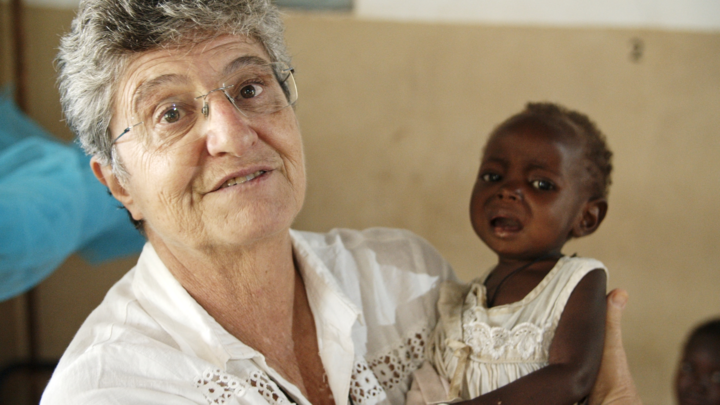
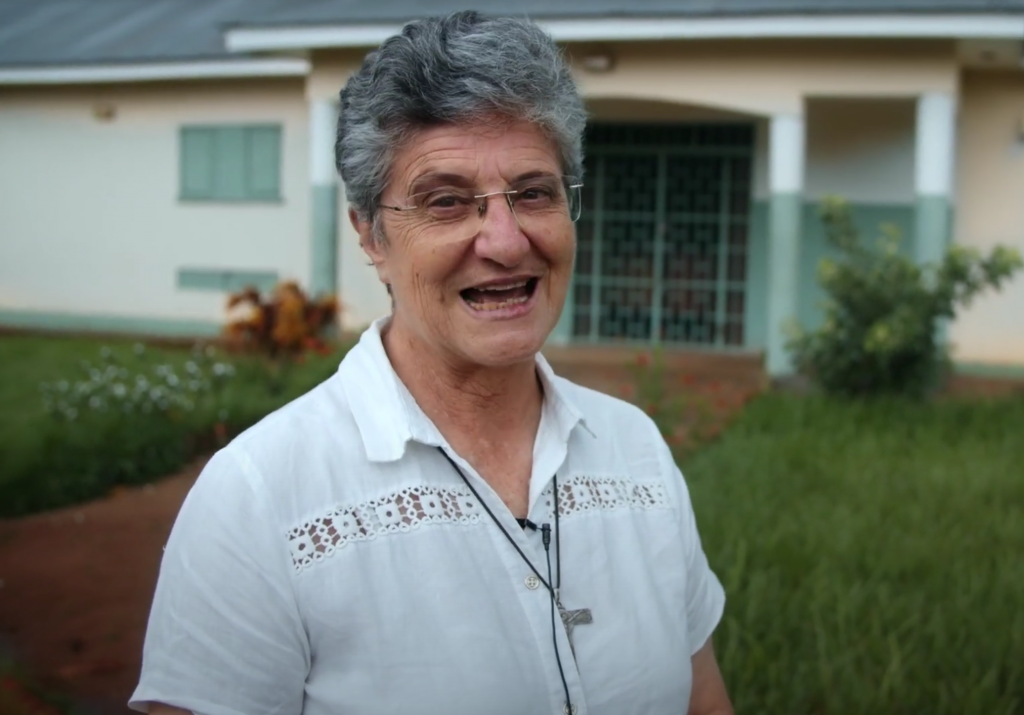
We ask that you pray for one of our partners with Sudan Relief Fund, Sr. Laura Gemignani, who is currently in the hospital suffering from COVID. You can read about her here:

https://sdnrlf.com/our_team/sister-laura-gemignani/

and her work at Nzara hospital:

https://sdnrlf.com/campaigns/help-sister-laura-treat-sick-children/

Reporter Melinda Hennenberger mentioned Sr. Laura in a recent opinion piece:

“One of the surest living saints I’ve ever had the privilege to interview, Sister Laura Gemignani, who was working 13-hour days in the hospital she was running in Nzara, South Sudan, when I met her there in 2018, wouldn’t be in critical condition on a ventilator back in her native Italy right now if she’d had even a shot at that shot.”

You can read her full article here: https://www.kansascity.com/opinion/opn-columns-blogs/melinda-henneberger/article250679059.html

Please Pray for Sr. Laura In Hospital with Covid

We ask that you pray for one of our partners with Sudan Relief Fund, Sr. Laura Gemignani, who is currently in the hospital suffering from COVID. You can read about her here:

https://sdnrlf.com/our_team/sister-laura-gemignani/

and her work at Nzara hospital:

https://sdnrlf.com/campaigns/help-sister-laura-treat-sick-children/

Reporter Melinda Hennenberger mentioned Sr. Laura in a recent opinion piece:

“One of the surest living saints I’ve ever had the privilege to interview, Sister Laura Gemignani, who was working 13-hour days in the hospital she was running in Nzara, South Sudan, when I met her there in 2018, wouldn’t be in critical condition on a ventilator back in her native Italy right now if she’d had even a shot at that shot.”

You can read her full article here: https://www.kansascity.com/opinion/opn-columns-blogs/melinda-henneberger/article250679059.html

Loreto Clinic Thanks You For Your Support

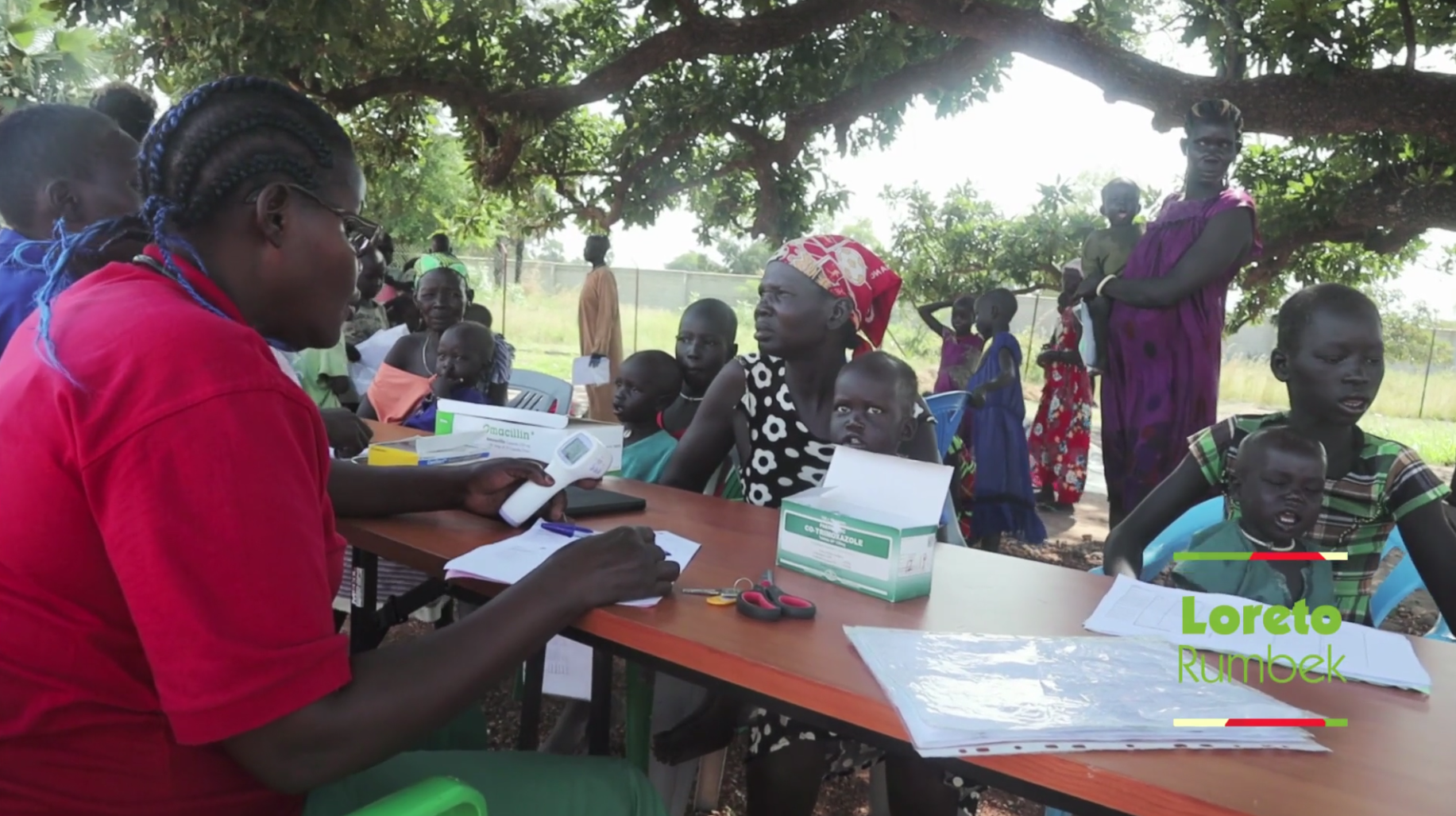
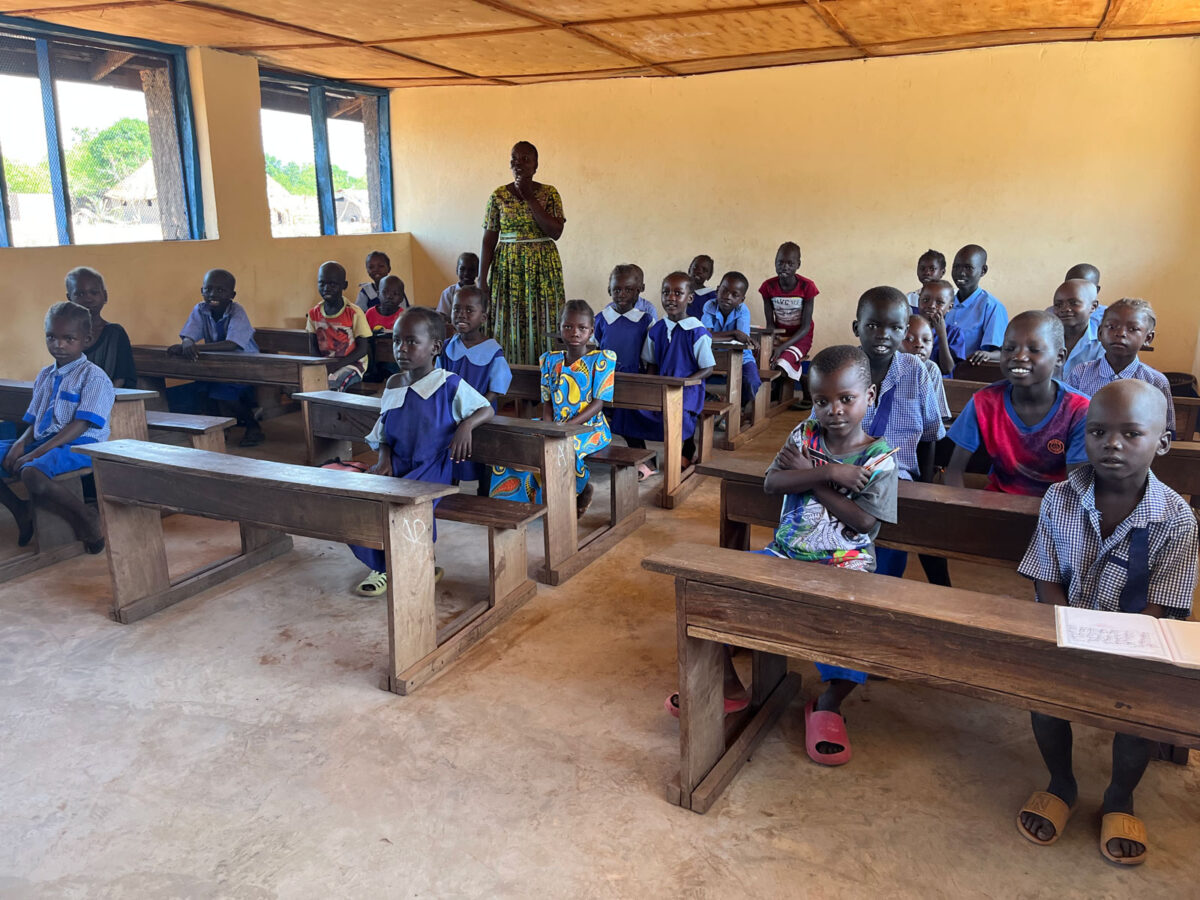
With vital gifts from donors, the health clinic in Loreto Rumbek is working overtime to meet the medical needs of their schools and community in South Sudan during COVID-19.

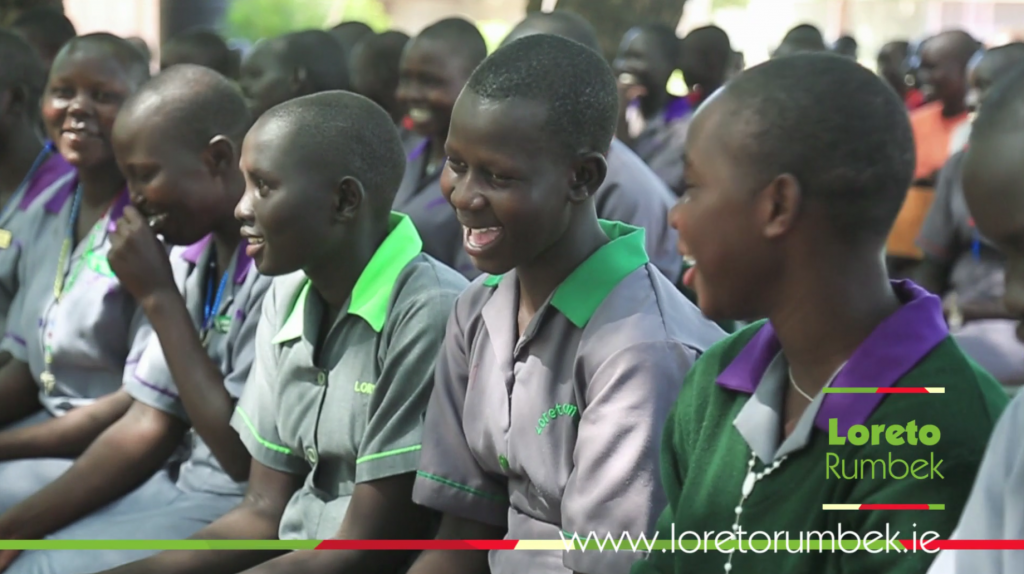
The health clinic is located on the campus of the Loreto Rumbek schools for children and young women, administrated by Sister Orla and her team. The clinic is also currently serving the needs of students who are locked down at the campus and living at the school.

Sister Orla expressed her gratitude for the response to their request for emergency resources. “Like all of you, the past twelve months have brought us to a new reality. We are so grateful for your support and for helping us reach out to so many in our community here in Rumbek.”


“Our Clinic has become the focus of so much activity. Each month the team treated over 5,000 new patients. Before coronavirus we were only able to support 1,500. This was possible because of your support.”

The onset of the virus caused the closure of many essential services. The health clinic at Loreto Rumbek, requested by the government to remain open due to the crisis, has become one of the only places within many miles where people can receive medical treatment.

SOUTH SUDAN BEGINS TO RECEIVE COVID VACCINE SHIPMENTS FROM INDIA

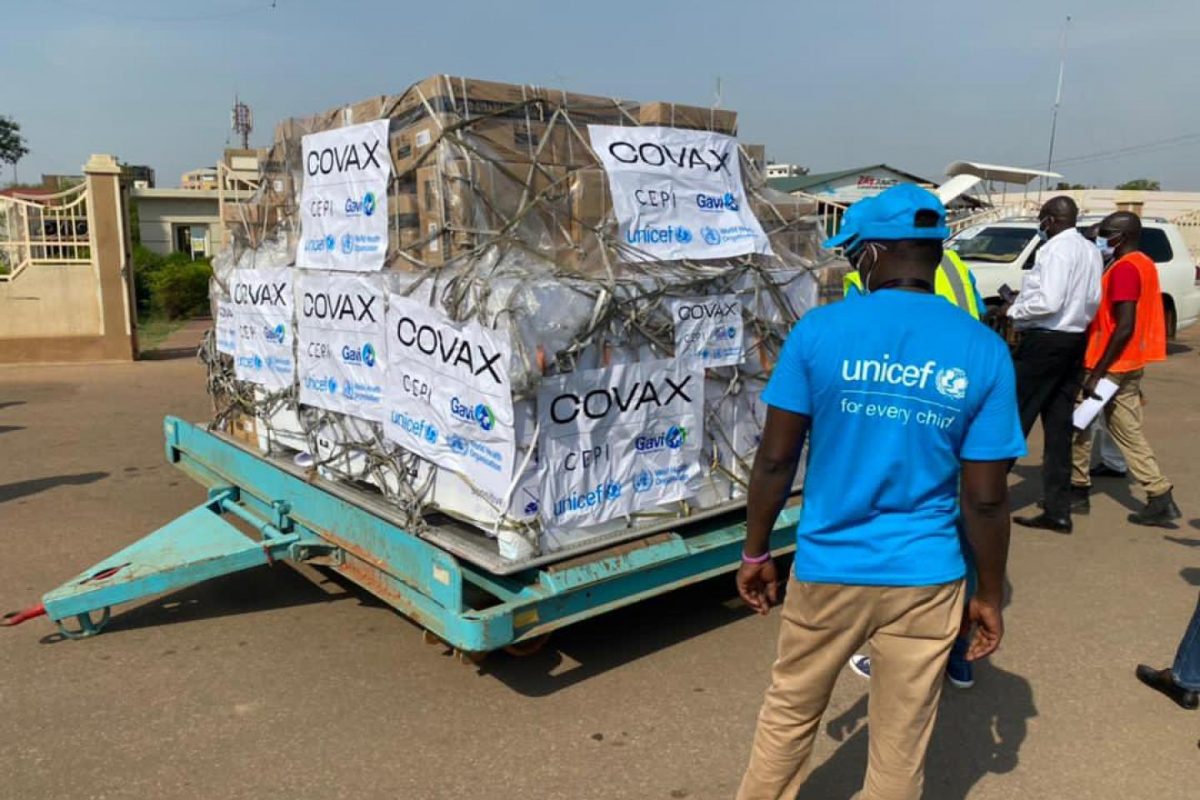
In a welcome bit of good news for Africa’s youngest country, South Sudan has begun to receive COVID-19 vaccine relief, as they brace to deal with a second wave of the coronavirus that has infiltrated their borders.

On Thursday, March 25, South Sudan started receiving shipments of the COVID vaccine from India, a country which has jumped to the forefront in production of the vaccine and has already become a key supplier to 70 countries around the world.

India has a history of peaceful relations with South Sudan, and was the first Asian country to establish a consulate in Juba, South Sudan’s capital city, following the peace agreement in 2007. India has pledged to continue its ongoing support of agricultural and health initiatives in South Sudan, according to the Ambassador and Deputy Permanent Representative of India’s Mission to the UN, Nagaraj Naidu.

In a recent United Nations Security Council meeting, the ambassador reiterated India’s commitment to stand in solidarity with South Sudan toward efforts to achieve peace, progress and prosperity in the region.

Rashida Ibrahim

Rashida Ibrahim says that without the help she received at Mother of Mercy Hospital, she wouldn’t be alive today to share her story.

Mother of Mercy Hospital is a referral hospital in the Nuba Mountains of South Sudan, the only trauma center in a 300-mile radius serving over 250,000 Sudanese. Missionary Dr. Tom Catena and his staff work around the clock to help patients who couldn’t be helped elsewhere.

Rashida is a mother of 4 children living in Rabak, though she is originally from Gharbia in the western Nuba Mountains. When giving birth to her fourth child, she struggled through a difficult delivery. Four months postpartum she began to experience heart palpitations and trouble breathing. She was taken by ambulance to the city of Khartoum and admitted to a hospital, but was later told she would have to come back in a month to obtain an appointment to see a doctor.

When she returned a month later there was no doctor available to see her. Because of difficulties developing from COVID-19 and the rainy season, numerous private healthcare facilities had shut down completely.

Rashida stayed at home until she could no longer endure the struggle to breathe. This time she went to Mother of Mercy hospital in her childhood region of the Nuba Mountains for help. After reviewing her case, Dr. Tom told Rashida her heart was weakened and she was suffering from ascites (excess abdominal fluid) from a swollen liver. She was immediately admitted to the hospital to receive treatment.

Fortunately, Rashida has seen great improvement. It is no longer a huge struggle for her to breathe. Her liver has improved and the swelling from fluid in her abdomen has gone down. Rashida says without the hospital, she wouldn’t have lived. She is thankful to the nurses, doctors, and supportive donors who made this possible for her. “I wish them a long life that they may continue to help many more poor people. God bless.”

Rashida Ibrahim

Rashida Ibrahim says that without the help she received at Mother of Mercy Hospital, she wouldn’t be alive today to share her story.

Mother of Mercy Hospital is a referral hospital in the Nuba Mountains of South Sudan, the only trauma center in a 300-mile radius serving over 250,000 Sudanese. Missionary Dr. Tom Catena and his staff work around the clock to help patients who couldn’t be helped elsewhere.

Rashida is a mother of 4 children living in Rabak, though she is originally from Gharbia in the western Nuba Mountains. When giving birth to her fourth child, she struggled through a difficult delivery. Four months postpartum she began to experience heart palpitations and trouble breathing. She was taken by ambulance to the city of Khartoum and admitted to a hospital, but was later told she would have to come back in a month to obtain an appointment to see a doctor.

When she returned a month later there was no doctor available to see her. Because of difficulties developing from COVID-19 and the rainy season, numerous private healthcare facilities had shut down completely.

Rashida stayed at home until she could no longer endure the struggle to breathe. This time she went to Mother of Mercy hospital in her childhood region of the Nuba Mountains for help. After reviewing her case, Dr. Tom told Rashida her heart was weakened and she was suffering from ascites (excess abdominal fluid) from a swollen liver. She was immediately admitted to the hospital to receive treatment.

Fortunately, Rashida has seen great improvement. It is no longer a huge struggle for her to breathe. Her liver has improved and the swelling from fluid in her abdomen has gone down. Rashida says without the hospital, she wouldn’t have lived. She is thankful to the nurses, doctors, and supportive donors who made this possible for her. “I wish them a long life that they may continue to help many more poor people. God bless.”

Sister Orla Treacy of Loreto Rumbek Recognized by Ireland’s Ambassador to the Holy See

Ireland’s Ambassador to the Holy See paid tribute this past St. Patrick’s Day to the legacy of Irish missionaries who have historically served around the world and continue to do so today, highlighting among them the work of Sister Orla Treacy and her service to the children and community members of Loreto Rumbek, South Sudan.

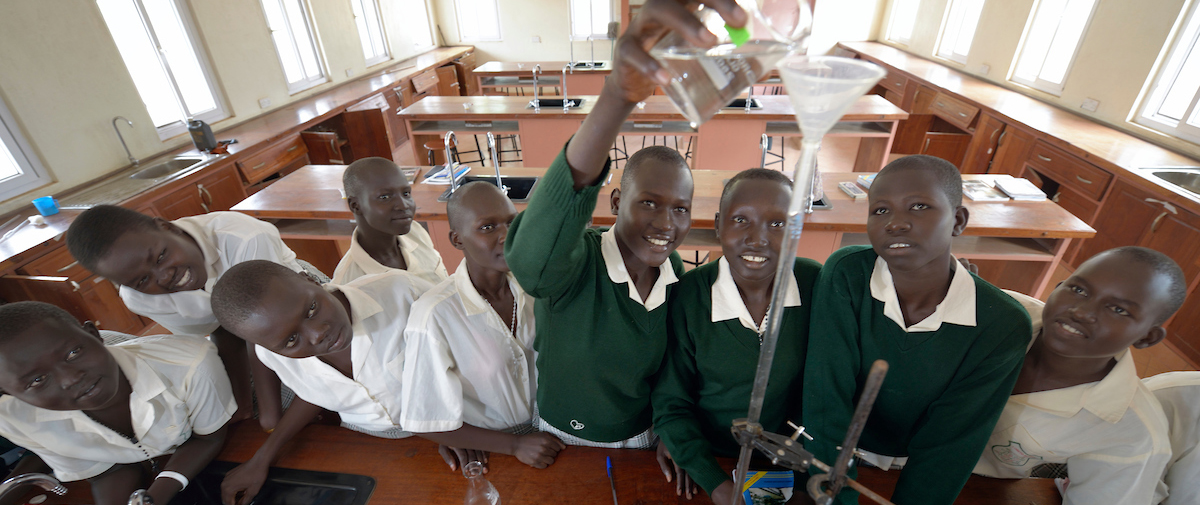
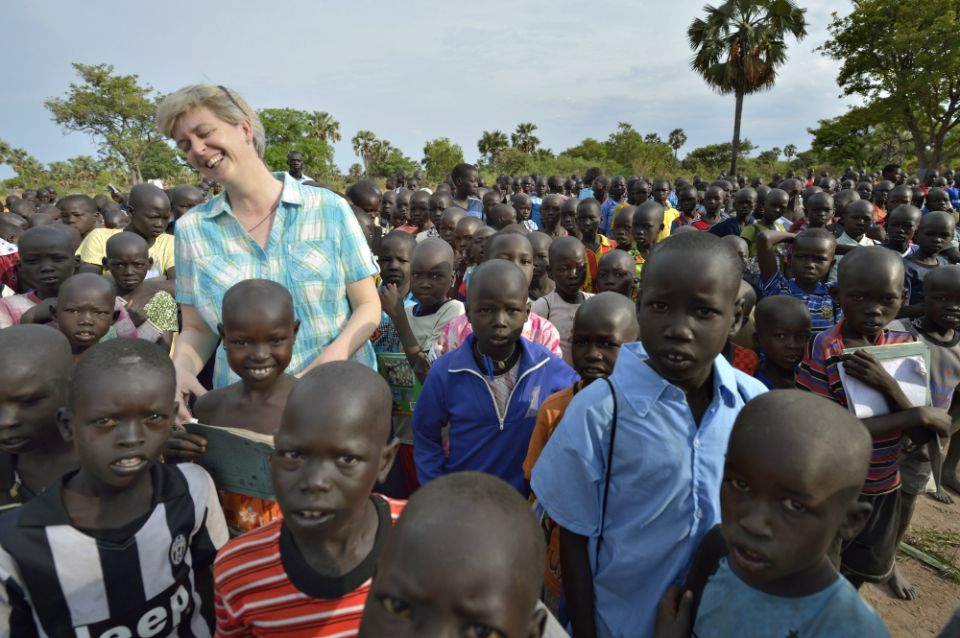
Sister Orla Treacy is the principal of the Loreto Rumbek schools, which include a coed primary school and a secondary school for girls, as well as a clinic that provides a variety of vital health services to the students and community. Her work in the past 15 years has saved untold malnourished children, brought education to thousands of South Sudanese youth, and made significant strides in rescuing young girls from the perils of forced child marriage, allowing girls age 12 and older to complete their education and gain opportune life skills.

Sister Orla says she sees her role as one striving to “empower the people of South Sudan so they can be the leaders of their own destiny and their own country.” Sudan Relief Fund partners with Sister Orla and supports all of these programs which are made possible by the compassionate gifts of donors.

Fragile Stability Sparks Slow Return of Refugees to South Sudan even as Need for Aid Increases Amid Rising Food and Health Crises

Some 350,000 South Sudanese refugees have begun to return home from countries of asylum after fleeing years of violence in the nation’s war for independence and subsequent civil war. Following its independence in 2011, violent internal conflict erupted in 2013, forcing more than four million South Sudanese to flee across the region in one of Africa’s largest displacement crises.

After a renewed agreement signed by warring parties in September 2018, cautiously reviving hopes for longer-term stability in South Sudan, caravans of hopeful refugees — primarily women and children — have returned to the region, anxious to rebuild their lives but face mounting humanitarian challenges.

Years of conflict have severely damaged basic infrastructures and stretched humanitarian aid. The country of 11 million has been devastated by severe flooding and extreme climate conditions, as well as the socio-economic impact of COVID-19.

More than 7.2 million South Sudanese are projected to be severely food insecure in 2021, according to the UN Office for the Coordination of Humanitarian Affairs (OCHA). Some communities face “catastrophic levels of food insecurity” the OCHA warned.

The South Sudanese also remain at high risk of epidemic disease due to low immunization coverage, almost nonexistent healthcare, and poor sanitation.

UN High Commissioner for Refugees Filippo Grandi said on a recent visit to the country that women and children will need more reassurance about issues of security, education of the children, healthcare, and how to rebuild their livelihoods, as more South Sudanese return to their homeland.

Read more here:

https://www.telesurenglish.net/news/8.3-Million-South-Sudanese-in-Need-of-Humanitarian-Aid-20210127-0003.html

https://www.unhcr.org/news/latest/2021/1/6013d8b74/fragile-peace-takes-hold-south-sudanese-displaced-head-home.html

© UNICEF/UNI375881/Ryeng

COVID Fallout Reaches South Sudan

The global pandemic has found its way into South Sudan, but its greatest fallout so far hasn’t been from illness as much as from economic impact.

Doors that are locked in churches, sanctuaries, and shrines across the world are also locked in South Sudan. Millions of Christians and other religious people are unable to gather because of the necessary but disruptive measures put in place with regard to social distancing and the lockdown.

These measures have forced people to stay at home, with all churches having to temporarily suspend their activities and find new ways of reaching out to congregations and the most vulnerable.


YouTube Video


According to Bishop Eduardo Hiboro Kussala of the Tombura-Yambio Diocese, “The economic impact in all 32 parishes of our diocese is already changing the face of the church and the congregations, affecting heavily in the loss of livelihood and financial stability. Moreover, the clergy found it challenging to remain in contact with the people living in remote and rural areas of our diocese due to lack of (resources).”

The diocese is currently operating with no electricity since its source is from a generator that runs on fuel — a resource they cannot currently afford. Vehicles normally used to reach out to members of the congregation remained parked due to similar constraints, bringing visits and transportation to a halt.

Bishop Kussala is encouraging members to reach out to help strengthen one another and to follow the principles of the Good Samaritan during this unusual time.