
When Motherhood is Dangerous
A War, A Famine, and an Untimely Labor
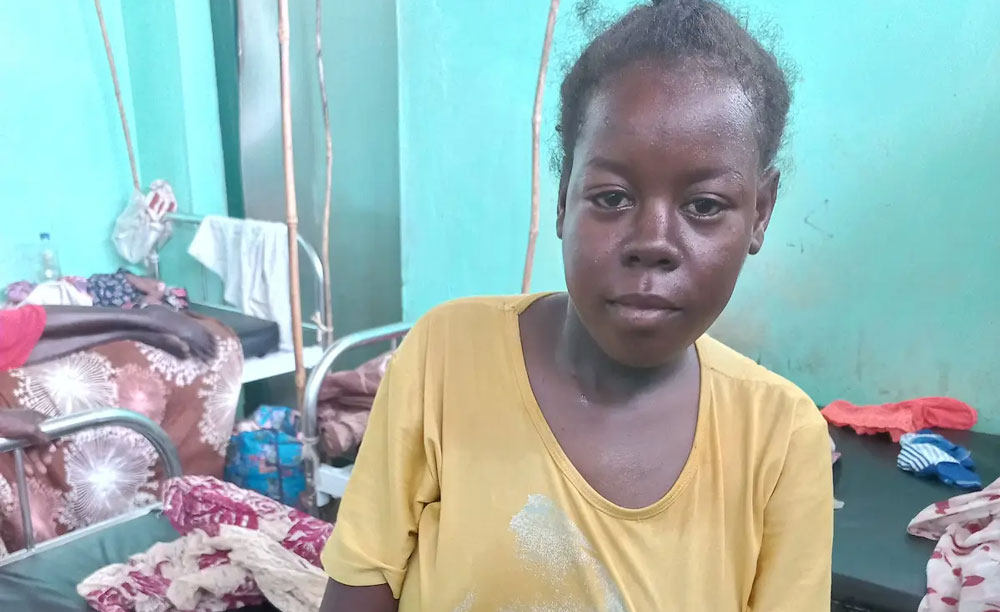
Kadiga was just fourteen when her new husband was sent off to fight as a soldier in Sudan’s civil war – a conflict that has rained destruction on the country and its people for four years. She worried about his safety. And also that he would miss the arrival of their first child. Kadiga had known for some time she was pregnant. But there was no telling how long until he would return.
During his absence, Kadiga was living with her parents. Like everyone in Sudan, they were impacted by the famine that’s reached every corner of the nation. The three survived on a daily ration of grain they saved from a previous food relief distribution.
And like others, they were also affected by the encroaching conflict. Many people they knew had already fled across the border, or to refugee camps. Kadiga and her parents were getting by where they had been. But soon that would no longer be possible. War was approaching and they couldn’t afford to wait until it was too late to safely relocate.
One reason they had delayed their departure was Kadiga’s pregnancy. She would face a rigorous two-week journey on foot in order to reach safety. But staying where they were was no longer an option. They had no choice but to make the trek.
When the family arrived in the village of Umdulu, Kadiga was exhausted. They decided to stay here for two days to rest up. However, that plan was about to change.
Shortly after settling in, Kadiga began feeling labor pains. When the pains became stronger and closer, she went to a nearby clinic, feeling certain she was about to go into labor. Kadiga was worried about being young and was concerned this might affect her childbirth. She had cause to worry. This part of the world remains one of the most dangerous places to give birth, primarily due to lack of access to safe birthing environments or medical support in the event of complications.
Kadiga’s fears began to escalate when she labored for two days at the local clinic without delivering her baby. Her labor stalled and she was unable to progress. She was growing weak and feverish.
In a decision that proved providential, the clinic advised that Kadiga be transferred to Mother of Mercy Hospital. She was rushed to the referral facility by ambulance, but the transfer seemed agonizingly long to the young mother. When she arrived at Mother of Mercy, it was quickly determined that her baby was breech. She was not going to be able to achieve a normal delivery.
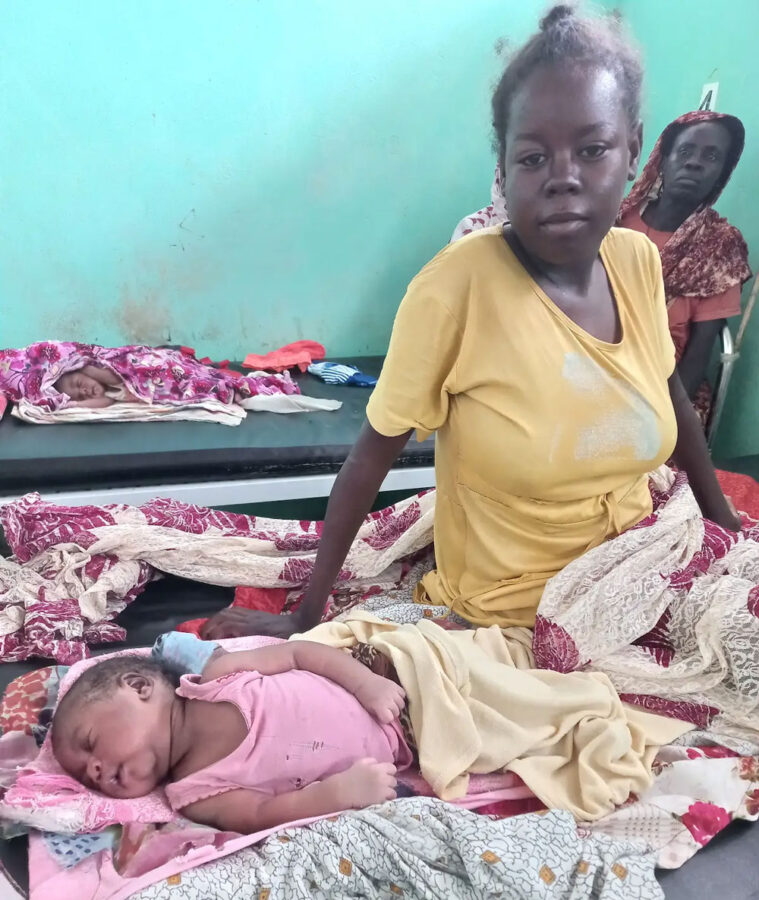
The team rushed Kadiga into the operating theater and prepared her for surgery, where an emergency C-section was performed. The surgery was successful, and it saved both Kadiga’s and her new baby’s life. Thanks to timely medical intervention, both mother and baby were well.
Kadiga stayed in the maternity ward to be monitored for a few days, to ensure she recovered successfully. During that time, she held her new baby and thought of what might have happened if she’d gone into labor along the way, or if she’d never made it to Mother of Mercy Hospital.
She was grateful for the emergency care she received, knowing without it she would have been among the tragic deaths that contribute to the high childbirth mortality rate that haunts this country. Thankfully Kadiga was not one of them. Because critical care was available when she and her baby needed it most.
These stories of lives saved are made possible by compassionate people like you. Mother of Mercy Hospital is fully funded by charitable support and continues to provide medical care for a vast population who would be without it. Thank you for saving lives and bringing hope to people like Kadiga, and thousands of others whose lives depend on this care.
Would you like to pray for us? Sign up for our email prayer group to receive weekly emails sharing important needs to pray for. You’ll join a faith community around the globe praying to bring hope and help to suffering people in a forgotten part of the world. Click here to find out more.