
Fighting for Independence
In 2011, one of the world’s newest nations was born. South Sudan emerged from decades of brutal civil war against its northern neighbor – Sudan – to gain its independence. It was a conflict rooted in religion, ethnicity, and the will to survive.
The predominantly Christian and animist peoples of the south had endured years of religious persecution, systematic discrimination, and outright genocide at the hands of Sudan’s dictator. They fought to free themselves from Omar al-Bashir’s rule.
The war between north and south was a clash of almost every kind of difference imaginable. Northern Sudan was predominantly Muslim, politically dominant, and industrialized. The southern region of Sudan was predominantly Christian and animist, agrarian, and composed of over 64 distinct tribes and ethnic groups.
Bashir viewed the southern groups as lesser and aimed to eliminate them. Campaigns of aerial bombing, displacement, and starvation targeted civilians in what amounted to ethnic cleansing. By the time South Sudan finally gained independence, an estimated two million people had lost their lives.
Independence and Civil War within South Sudan
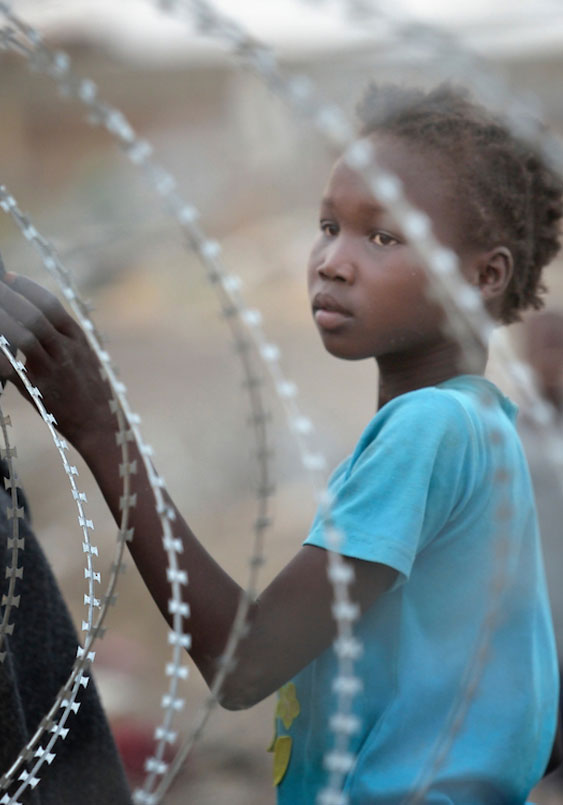
What was left behind was an infrastructure in ruins. Years of grueling battles destroyed the economy, towns, and farmlands, creating a humanitarian catastrophe for the new nation to inherit. South Sudan was reeling from devastation at its very outset.
While most of South Sudan was unified during its war for independence, the new country found itself facing its own challenges of division and power struggles from within. Being made up of so many different tribes and ethnic groups, unity has remained elusive and peace short-lived.
Though South Sudan had gained its independence in 2011, the euphoria didn’t last. Within two years, the young country collapsed into its own civil war, as rival political factions turned on each other. A brutal five-year conflict followed before a fragile power-sharing agreement was reached. The civil war further dismantled what was left of South Sudan’s resources and infrastructure, beleaguering its war-weary people.
In 2018, government and opposition forces reached a tentative power sharing agreement, but the wounds from that war have never fully healed. What endured was a humanitarian crisis of staggering proportions.
Humanitarian Concerns
Today, South Sudan is one the poorest countries in the world.
South Sudan is ranked among the most dangerous countries in the world for humanitarian workers
- At least 80 percent of its population lives in extreme poverty
- Nearly half have no access to clean water
- One in ten children dies before age five from diseases like malaria, typhoid, or the effects of contaminated water
- The maternal mortality rate is among the worst in the world
- Most people have no access to health care without traveling hours, sometimes days on foot
- Seventy percent of children are not regularly in school, and many girls never attend at all
- Many children have lost their parents and have no one to care for them
- Floods and severe drought have compounded an already desperate hunger crisis
- Years of conflict disrupted farming and supply chains that communities depend on. For millions in South Sudan, severe hunger is a daily reality.
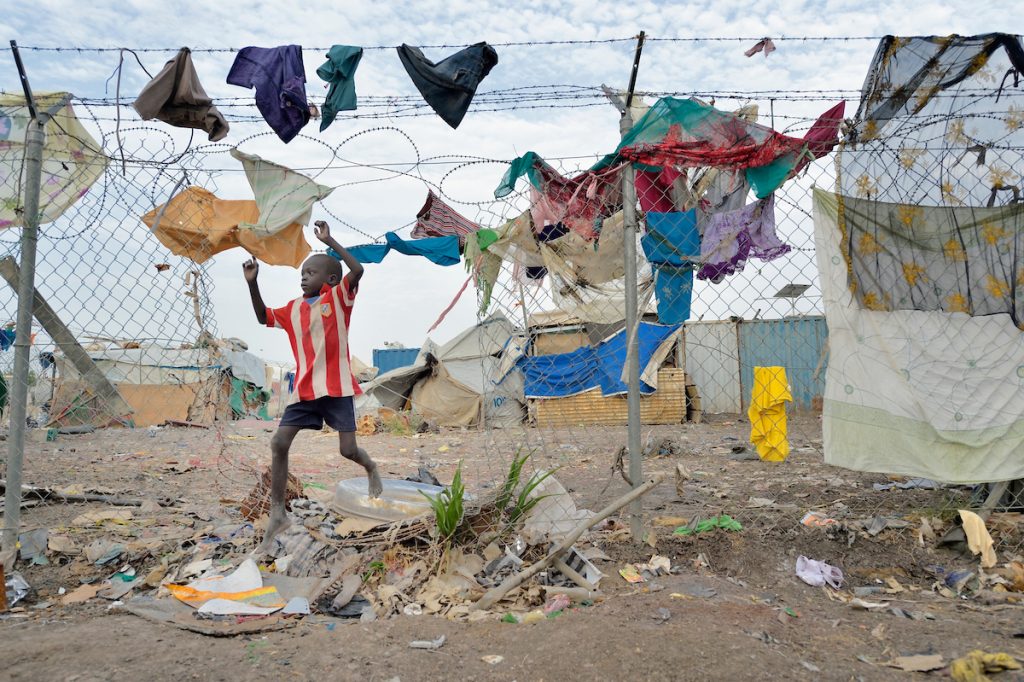
Food Insecurity
An estimated 7.8 million people — more than half of South Sudan’s population — face high levels of acute food insecurity. Famine has been declared across the northern border in Sudan, where deaths from starvation are already happening.
A lethal combination of floods, drought, cuts in international aid, and trade disruptions from Sudan’s civil war has devastated the food supply and pushed prices out of reach. An influx of refugees coming into South Sudan has put an even greater strain on meager food supplies.
I want to helpCivil War in Sudan
Then South Sudan was hit with an adjacent crisis – in 2023, a brutal civil war broke out in Sudan, a battle that continues to batter that nation to this day. Rival military factions in Sudan that had long competed for power finally came to blows. Sudan’s civilians were caught in the middle.
More than 11 million people have been forcibly displaced by the crisis, including millions displaced within Sudan and millions more who have fled across its borders. Agriculture in Sudan came to a halt. Commerce routes were severed. Combined with years of drought, the collapse of food production in Sudan triggered a famine of historic scale. Over a million civilians fled to the remote Nuba Mountains of Sudan, trying to escape. But hunger, drought, and lack of resources threaten widespread starvation. The suffering inside Sudan has been called the largest displacement crisis in the world.
Refugee Crisis in South Sudan
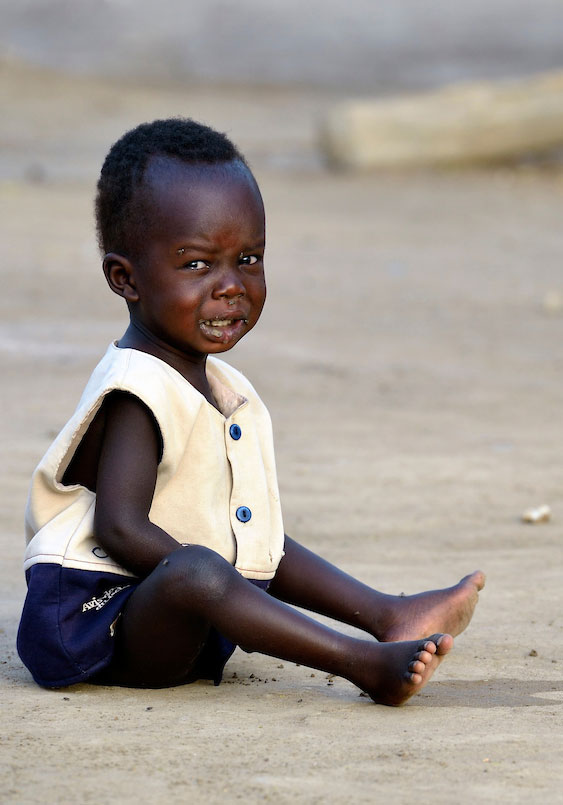
More than 1.4 million refugees and South Sudanese returnees have crossed into South Sudan since civil war broke out in Sudan in 2023 — putting additional strain on a country already stretched far beyond its capacity to provide assistance. The arrival of over a million destitute people has put a dire strain on South Sudan’s already insufficient supplies of food, clean water, and medicine.
Food shortages, lack of clean water and sanitation, and overcrowding in some refugee camps contribute to disease outbreaks like cholera, which rapidly spread across South Sudan in early 2025.
Responding to the Needs
Two countries. Two simultaneous crises. Tens of millions of people caught between them. The world, faced with so many crises competing for attention, has often looked away.
But there is reason for hope.
While much of the world has not responded to what’s become the world’s largest humanitarian crisis, Sudan Relief Fund is committed to staying on the ground to serve those in need.
Mother of Mercy Hospital in the Nuba Mountains remains open to serve the massive numbers of malnourished and injured people escaping the war. Sudan Relief Fund has been overseeing emergency food shipments of Plumpy’Nut – a concentrated nutritional paste used by doctors and NGOs to treat the severely malnourished. We’re shipping critical medicines to keep Mother of Mercy supplied, one of the few hospitals still open in the war-torn country of Sudan. We are committed to serving people in distress throughout the duration of this crisis.
Creating Hope
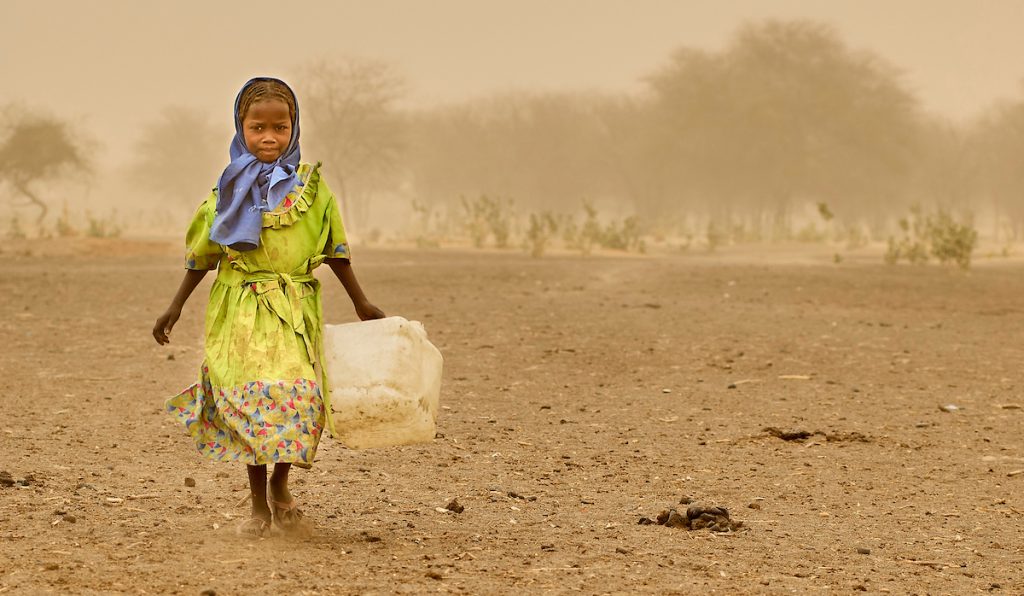
Sudan Relief Fund has been working in South Sudan and the Nuba Mountains of Sudan since 1998. We have been on the ground when others could not be, building hospitals, schools, and orphanages; drilling clean water wells; sponsoring agricultural recovery; and delivering aid to people most of the world has forgotten.
In the Nuba Mountains, Mother of Mercy Hospital has become a lifeline for millions, with expansion clinics now reaching communities that never had access to medical care before.
In South Sudan, St. Theresa Hospital in Nzara has grown into one of the finest hospitals in the country. A maternity ward is giving women a safe place to give birth. A children’s ward is preventing deaths that should never happen.
We are drilling wells and bringing clean water to thousands of people who had none. We are building children’s homes for orphans and expanding schools that are giving children their first real chance at a future. We are sending medicines to refugee camps and feeding families in crisis.
How You Can Help
Together it’s remarkable what can be accomplished in the face of such challenges. We’ve had the privilege of seeing lives saved, communities turned around, hearts restored, and hope created for a better future in this nation.
None of this happens without you.
In some places, Sudan Relief Fund is the only aid organization able to reach people in need, because of the relationships and trust we have built on the ground over more than two decades. When roads are impassable and other organizations have pulled back, we are still there. You make every step forward possible.
Please join us and stand with Sudan Relief Fund. Your partnership brings real hope and transformational change to the people of Sudan and South Sudan. Your gifts are changing lives and making a lasting impact for families where most of the world has looked away. Follow us for stories of inspiration and lives saved. If you would like to help, learn how easy it is to make an incredible difference.
I want to helpPrayer makes an impact. Would you like to pray with us? Sign up for our email prayer group. You’ll receive weekly emails sharing important needs to pray for, and join a faith community around the globe praying for people in this forgotten part of the world.