SRF 2019 2ND Quarter Newsletter
SRF 2019 2Q Newsletter final art
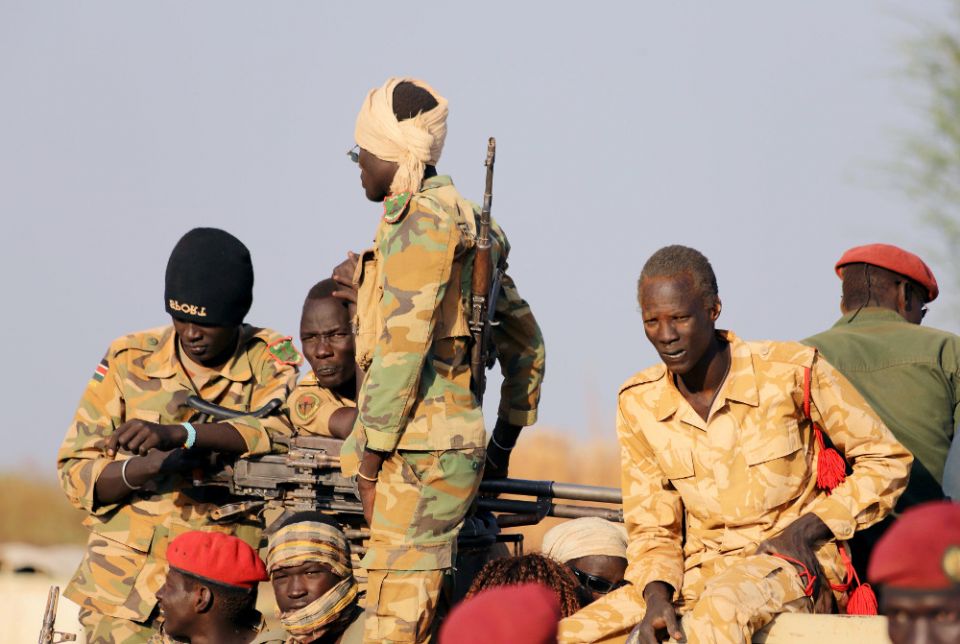
South Sudan’s peace deal is fatally flawed, the country’s bishops said as they committed the church to helping forge new negotiations. They also recommended a series of measures to end the conflict.
While South Sudan’s main warring parties signed a deal in September to end the five-year civil war that killed almost 400,000 people and displaced millions, the situation on the ground shows that it is “not addressing the root causes of the conflicts” in the country, South Sudan bishops said.
More than 1.5 million people in South Sudan are on the brink of starvation and more than 6 million people, half the population, face extreme hunger, according to the United Nations.
Among measures to improve the situation, South Sudan President Salva Kiir “should constructively engage all stakeholders” to ensure that each signatory to the peace deal does what it agreed to do, the bishops said. The state of emergency should be lifted to ensure freedom of speech and other democratic rights, and all political detainees and prisoners of war must be released, they said.
As well as publicizing violations of the peace deal and holding those responsible accountable, the parties should draw lessons from past mistakes and “develop early warning mechanisms to avoid the triggers” that led to the civil war. Appropriate justice mechanisms should be put in place, and the deployment of troops from neighboring countries subjected “to the highest levels of scrutiny.”
National dialogue must be “genuine and inclusive,” with traditional South Sudanese conflict resolution mechanisms and intertribal dialogue practices “used to deepen understanding and contribute to the full implementation of the agreement.”
The bishops said all these measures, “if properly implemented, will create a conducive political, social and economic environment” for the people of South Sudan “to enjoy the dividends of peace.”
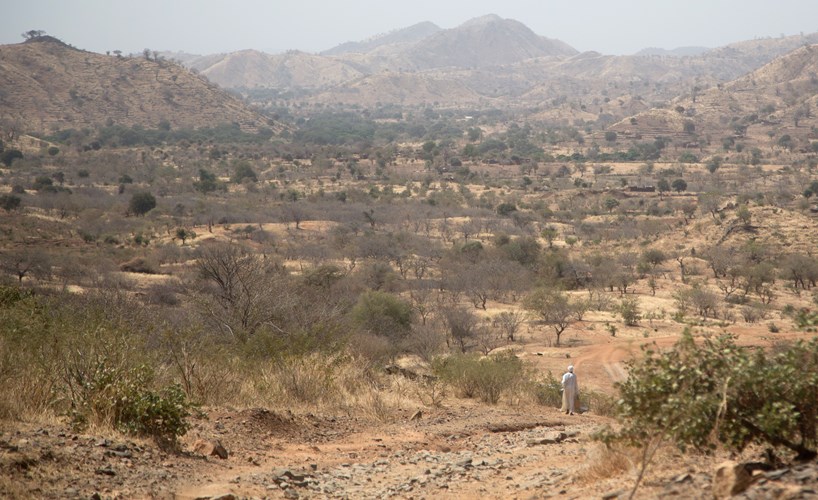
At least 32 churches have been burned down in the Nuba Mountains area of Sudan over the past year, with reports that up to 40 more may have been demolished, according to opposition leaders.
Although a ceasefire is technically in place between the Sudanese government of President Omar al-Bashir, who has been indicted by the International Criminal Court for war crimes, and the Sudan People’s Liberation Movement North (SPLM-N), military planes from the Sudanese air force still fly overhead with frequent indiscriminate attacks on Christians.
The Commissioner for the Nuba Mountains, David Isaiah, said: “The government of Sudan is using every means to mislead the world into thinking there is no war in the Nuba Mountains.”
The Nuba conflict is an extension of the long civil war that eventually provided South Sudan with its independence in July 2011. The Nuba people played a key part in helping the former South Sudan rebel forces to gain sovereignty. But, in the mineral-rich areas of the Nuba Mountains and the Blue Nile State, promises of autonomy were unfulfilled, and suspected rigged local elections triggered renewed fighting between the Sudan government and the rebels.
The areas are still home to many Christians, although the population is religiously mixed, including animists and Muslims.
The deputy chair of SPLM-N, General Jagot Mukwar, said: “Antonovs [Sudan’s military aircraft] have not dropped bombs for two years. But we hear that government troops could be moving closer. In November and December, civilians were ambushed on the main road in Habila. It happened three times in two months. Two weeks ago, a farm was burnt, also in Habila. The government is killing its own people. They are burning churches. They do not want people to be Christians. They want us to speak in Arabic. They want us to have Arabic names.”
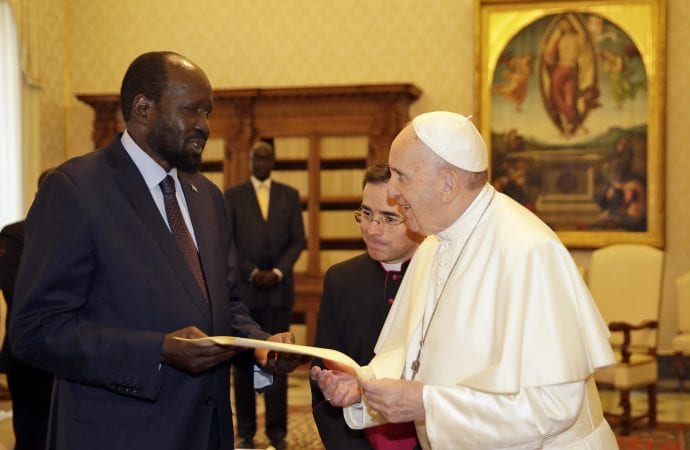
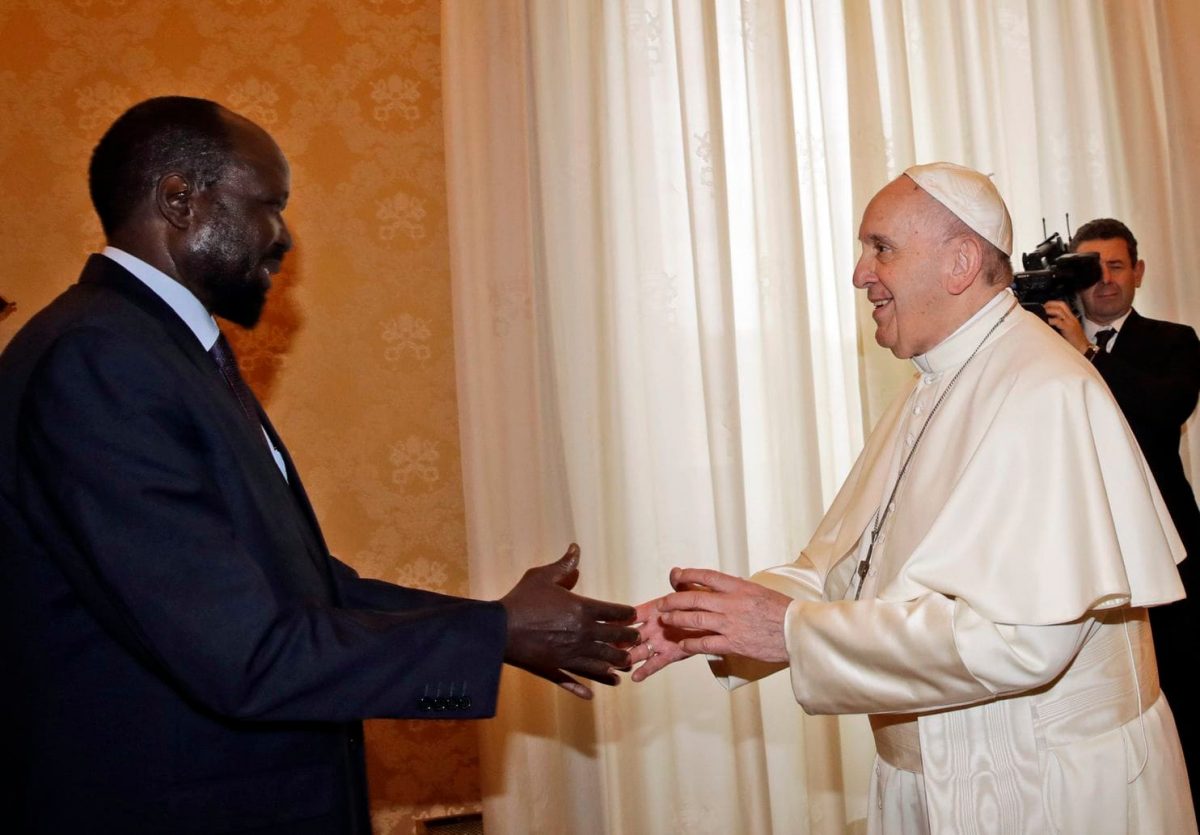
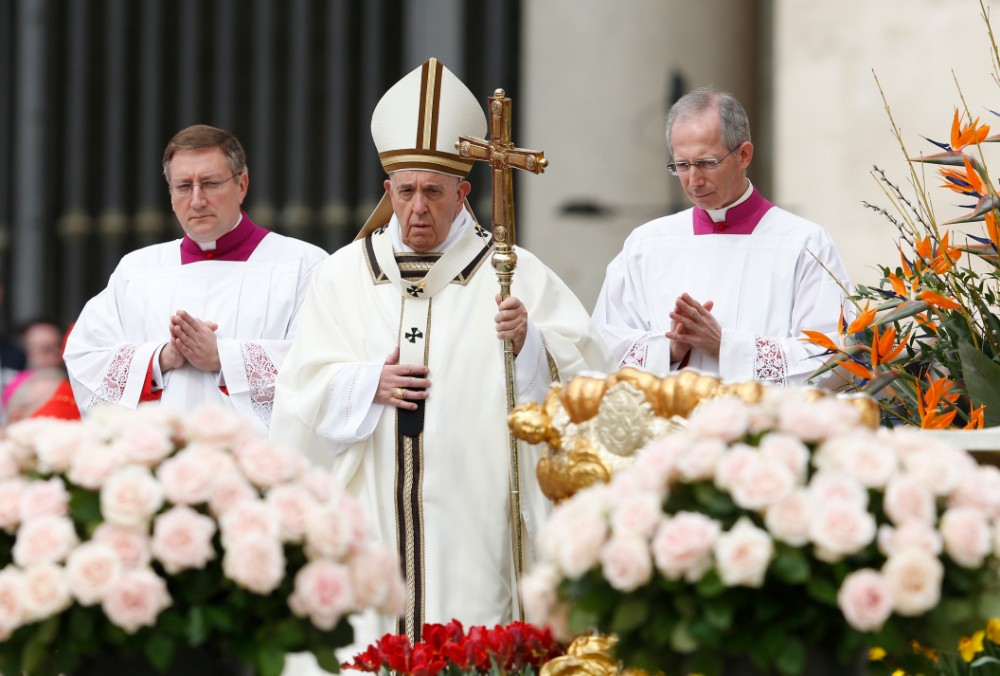
Pope Francis has met with the president of South Sudan and told him that he still hopes to visit the country “as a sign of closeness to the population and of encouragement for the peace process.”
Francis met with President Salva Kiir in the Apostolic Palace on Saturday. Later, the president met with the Vatican secretary of state and foreign minister.
The Vatican said the talks focused on the country’s peace process, the return of refugees and future development.
Francis had wanted to visit South Sudan in 2017 with the archbishop of Canterbury, but security conditions interfered.
https://www.washingtonpost.com/national/religion/pope-still-hopes-to-visit-south-sudan-to-promote-peace/2019/03/16/3554dfb4-47e6-11e9-94ab-d2dda3c0df52_story.html?noredirect=on&utm_term=.38702d6e5a9f
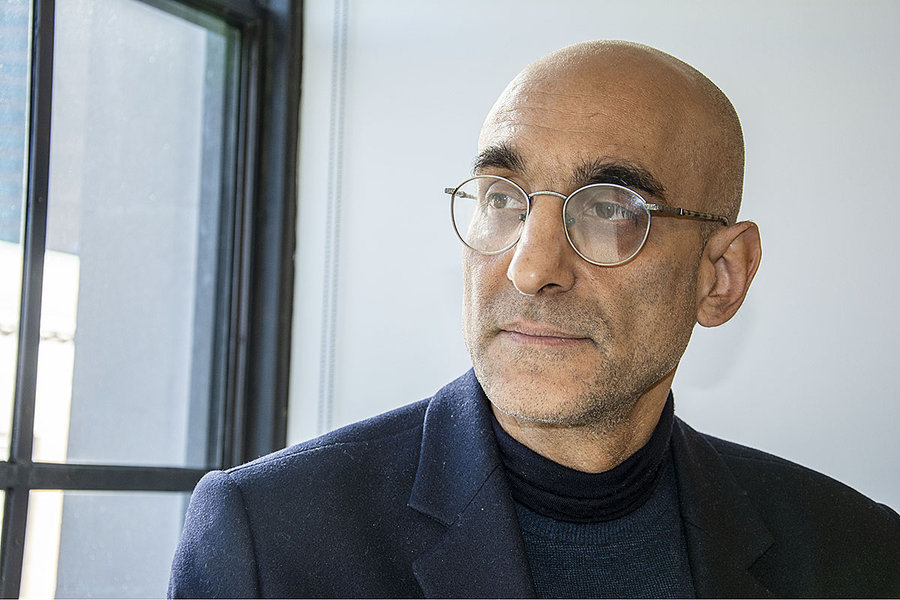
Dr. Tom Catena moved to Sudan in 2008 to work as a surgeon in a remote rebel-held territory. He currently leads the Mother of Mercy Hospital in the Nuba Mountains of South Kordofan, Sudan. Catena’s 435-bed facility is the only referral hospital in a region of roughly a million Sudanese. Indiscriminate bombing by the Khartoum government has terrorized the region’s Nuba people and blocked their access to aid.
Catena admits that the mental strain of his work has tested his faith. “Why do these kids die, innocent people?” he says. “We just have to stay faithful, you know, and just keep at it.”
Catena spoke to The Christian Science Monitor about his work and the forces shaping Sudan, one of the world’s least developed countries.
What do your morning prayers accomplish for the rest of your day?
I think for me I have to remind myself every day that God is in charge. I need that daily reminder. I need that schedule and that discipline where every day there’s something I can do and look forward to.
Within this plural religious community, have you found that your faith has evolved?
Yes. You know faith always does better in areas of high stress. You don’t even know day to day if you’re going to survive. Faith becomes much more real, when you really have to depend on God for everything, for survival. I would say my faith has grown tremendously. It’s much more difficult to maintain your faith in this (American) society, the stress and anxiety is unbelievable. It is different from the physical threat that you feel all the time (in Sudan).
What would it take for you to leave the Nuba community, if anything, at this point?
When I went there 10-and-a-half years ago, my idea was to stay until [the hospital] could stand on its own with Nuba staff, and we’re still not there yet. I think we have four people in medical school now; that’s kind of the last link. With these guys, the catch is we’ve got to get them interested and make sure they stay. If they take off, then we’re back to zero.
You have been a vocal critic of [Sudan’s long-serving President] Omar al-Bashir, sometimes against your colleagues’ advice. Why?
If you’re in a situation that’s as egregious as ours was, when you’re being bombed and you’re watching civilians being maimed every day by artillery shelling or air bombardments, you really do have an obligation to say something. Because we’re there as a witness. They can squelch a Nuba person who’s speaking out, because they don’t really have a voice on the outside, and they can use propaganda and everything else, but if an unbiased – hopefully unbiased – foreigner is there, it’s a little more difficult. I think through some connections we had we were able to get that word out.
The fear is that if you make too much noise, you’ll be punished for it. These guys bombed us twice; they bombed our hospital. In the previous civil war they bombed hospitals routinely; it was not a big deal for them.
But I do think the converse is true: If you speak out, it makes it a little more difficult for them to do it because now people are aware, and as much as they don’t care about human life, they don’t want to be perceived by the international community as being brutal. They want us out of there, because it’s a big morale boost for the soldiers, for the people there.
South Sudan risks sliding into famine this year if timely interventions are not made, according to a new report from the United Nations.
The five-year civil war has slashed crude production, heralding economic chaos in the world’s youngest country. Nearly 7 million people in South Sudan could face severe food shortages at the peak of the lean season between May and July, according to a report released by three leading United Nations agencies.
The UN estimates local production in 2019 will only meet 52 percent of the country’s essential needs, compared with 61 percent last year.
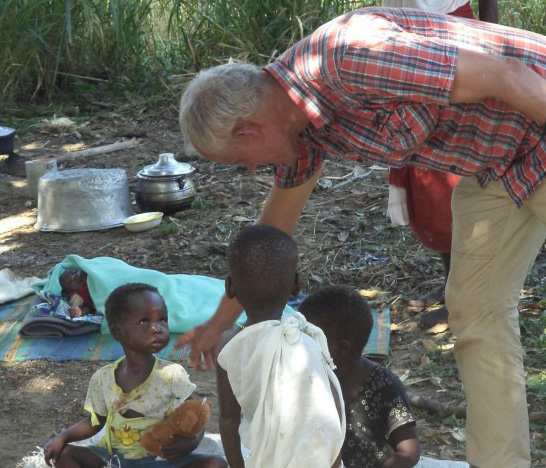
91 orphaned and abandoned children received a jump start to their education and earned their kindergarten graduation certificate.
The children enrolled at St. Joseph’s Nursery School in Narus, South Sudan are part of a scholarship program, which was funded by the generosity of Sudan Relief Fund supporters.
But for these students, the school is so much more than just a positive learning environment. It’s also a place they call home.
“Most of the children have lost their beloved parents during the war, making them homeless for quite a long time, and some are were victims of human trafficking in Turkana, Kenya, which is so sad and painful,” says Bro. James Othembi.
The school, run under the care by the St. Martin de Porres Brothers, not only provides orphaned and abandoned children with school supplies such as books, pens and paper, but also the most basic necessities needed to survive.
Clothing, footwear, meals, and accommodations with beds and mattresses are just a few items that each child is given. It is through the kindness of Sudan Relief Fund donors that these poor children have a roof over their head who would otherwise have nowhere to live. We are so thankful that these orphans are being cared for, nurtured, and have loving teachers to act as positive role models.
“Thank you for making the children feel loved, cared for, and stress free. Because of your support, these children were able to receive an education instead of going to refugee camps in Uganda. Most of the students are able to remain here due to your support, making them feel that they are at home.”
On behalf of the children, we want to thank you for your continued support and providing hope for a better future. Please send a generous gift to ensure that more underprivileged orphans receive the same quality care, a safe haven, and the opportunity to jump start their education. 
Thanks to the generosity of our incredible donors, we were able to fund the purchase and delivery of 11 tons of lifesaving medicine for Dr. Tom Catena and his staff at the Mother of Mercy Hospital! Hundreds of boxes are currently on the way to Gidel and will arrive at the hospital by New Year’s Day. Our partner on the ground, Comboni Brother Bernhard Hengl, has arranged for an 80ft truck due to the enormous amount of medicine being delivered. The Sudan Relief Fund, and every person associated with the hospital, are so grateful for the support of friends like you. This could not have been possible without your charitable gifts.
We wish you blessings and joy this holiday season!
HAPPY THANKSGIVING
This Thanksgiving, we’re thankful for you, and all of our incredible donors, who enable us to provide help, peace, and hope for a better future in the world’s youngest nation.
Each day, your big heart continues to reach these suffering people, making it possible for us to feed the hungry, heal the sick, clothe the naked, and shelter the homeless.
Because of your kindness, our partners on the ground are able to continue God’s work and make this war-torn region a much brighter place. We are all very grateful for your generosity, and we thank you for opening your heart to those in need.
One of our key partners, Bishop Eduardo Hiiboro Kussala, President of the Conference of Catholic Bishops in Sudan and South Sudan, wanted to take this opportunity to send his deepest gratitude to all of our generous donors and for keeping his people in your prayers.

We wish you and your loved ones a Happy Thanksgiving. Thank you again for your continued support.
Sincerely,

Neil A. Corkery
President