Nania and Najma

Father Braves the Flames to Pull Daughters from House Fire

The day started like any normal day. Omar kissed his wife and children goodbye as he left his meager hut for a long day at work. He never imagined the tragic events that would follow later that day and the way it would change his family forever.

After toiling for hours in difficult conditions, Omar made his way home. As he neared his village, Omar saw a bolt of lightning strike from a distance, resulting in a tremendous fire. His heart sank as he drew closer and realized the flames engulfed his family’s hut.

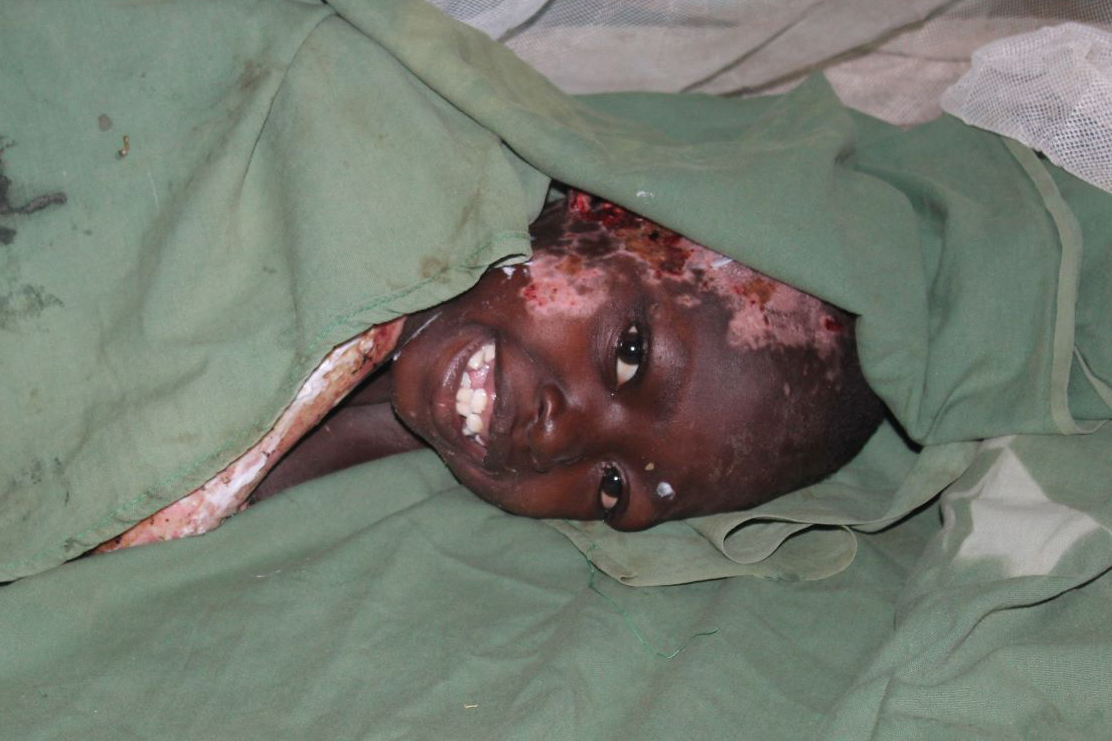
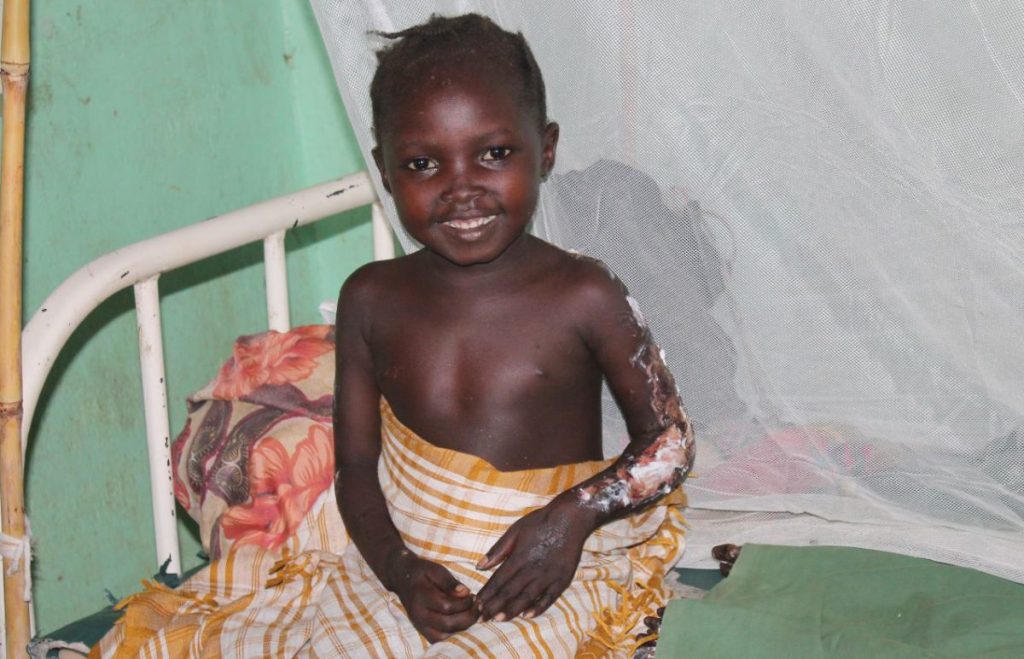
Without hesitation, he ran towards the fire, not knowing if his wife and daughters were safe. As he pushed his way inside, he saw his wife lying on the floor. Tragically, she was killed instantly by the lightning strike. But Omar knew he still needed to save his daughters, six-year-old Nania and five-year-old Najma. He managed to pull them both out of the flames, but all three suffered serious burn injuries.

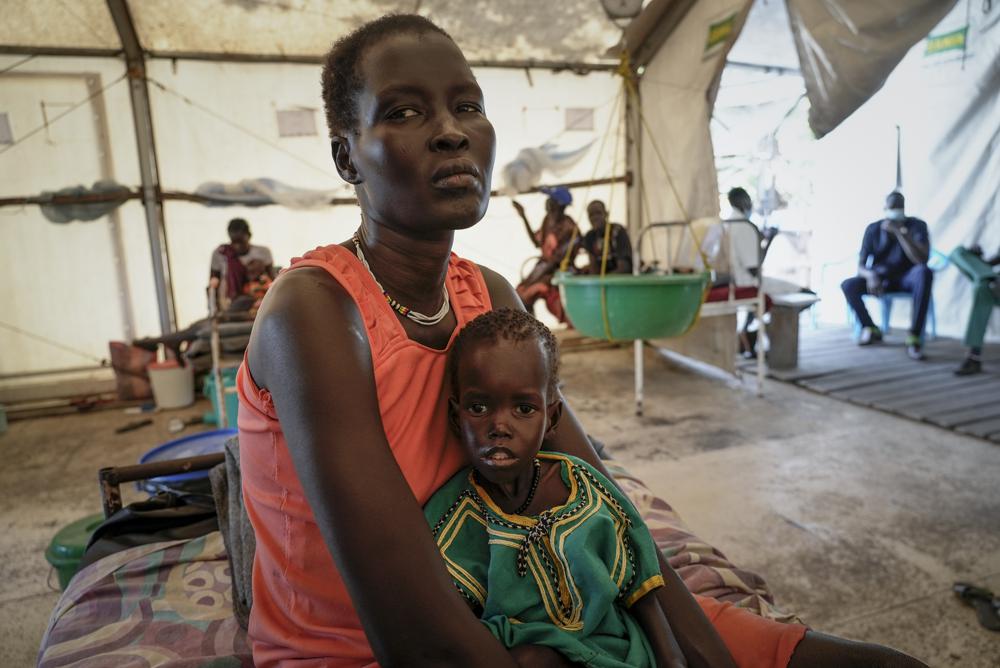
Burns are particularly volatile wounds that pose a high risk of infection and require specialized medical treatment. Omar knew where to go for help. He took his daughters to Mother of Mercy Hospital, a missionary hospital in the Nuba Mountains run for years by Dr. Tom Catena and supported by Sudan Relief Fund donors.

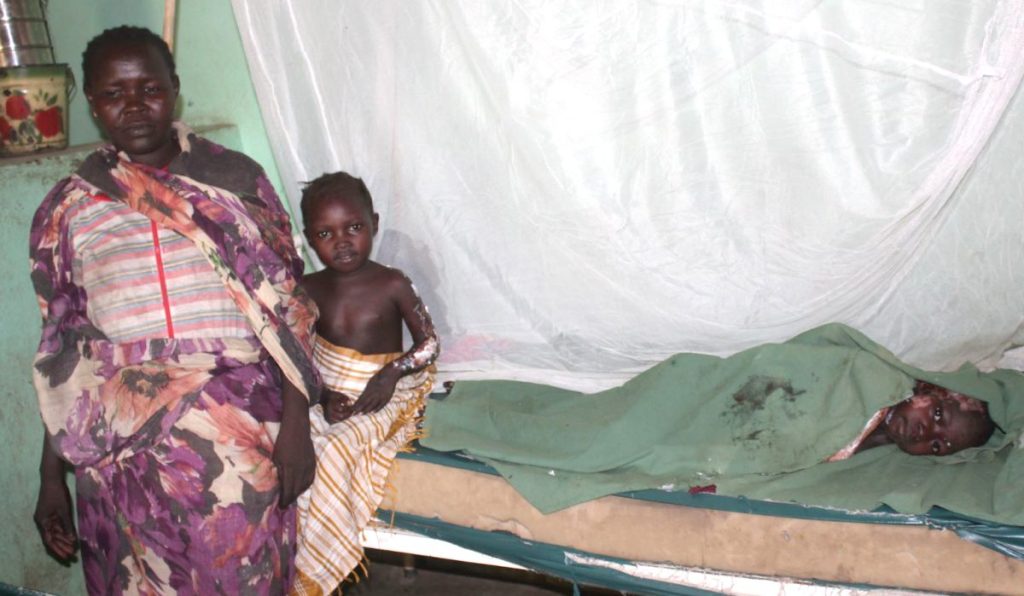
The girls’ Auntie Samia stayed with Nania and Najma at the hospital while the little girls received the critical burn treatment they needed. Burn injuries are slower to heal and require much follow-up care, so Nania and Najma would stay at Mother of Mercy Hospital for some time.

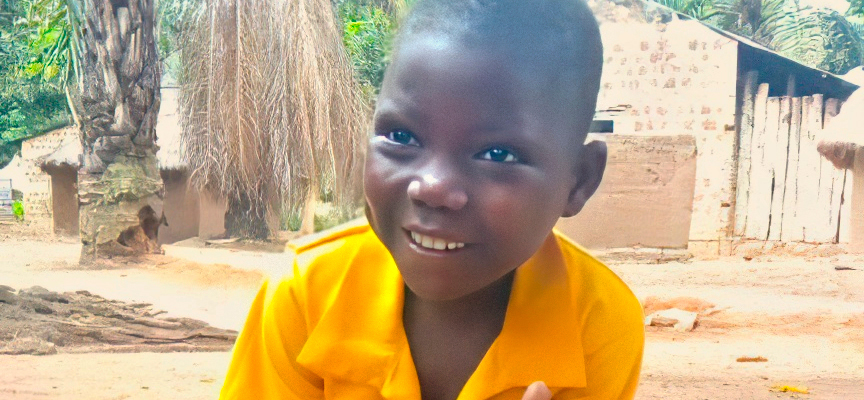
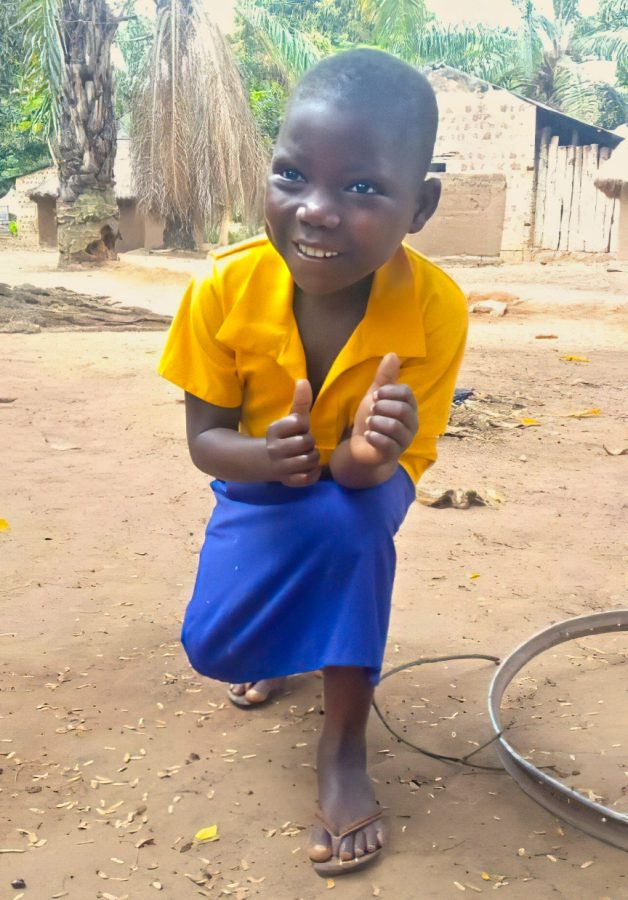
Due to the timely, high-quality care at this facility, the girls’ wounds are healing without complications. Pictured here, Nania and Najma smile sweetly. Behind the precious smiles, the emotional wounds may take longer to heal. But thanks to the care the girls received from Dr. Tom and his dedicated staff, they are recovering well from their injuries, and Omar would not lose any other members of his family.

Nania and Najma’s family – their father and aunt – shared how thankful they are for the critical treatment received at their darkest time of need. They’re “grateful to God for saving the girls’ lives,” and also “to those who keep the doors of this hospital open to ease the pain of many innocent children.” They added, “May God bless them all, wherever they may be.”

These stories are made possible by your support of Sudan Relief Fund. Thank you for partnering with us to save lives.


Would you like to pray for us? Sign up for our email prayer group to receive weekly emails sharing important needs to pray for. You’ll join a faith community around the globe praying to bring hope and help to suffering people in this forgotten part of the world. Click here to find out more.

Baby Rita

St. Claire orphanage

in Rock City-Jebel Juba South Sudan

St. Claire orphanage was founded in 2017 as a result of the 2013/14 war in South Sudan. Many children lost their parents and were left loitering along the streets of Juba and some were left in the juvenile prisons of Juba.

Through a well-wisher Mrs. Betty was touched by the suffering of the orphan children and through her intervention she contacted the Franciscan Fathers on the level of intervention to help the suffering orphan children.

The Franciscans primary role for the orphanage is resource mobilization and Sudan Relief Fund has been very supportive financially to St. Claire orphanage.

The orphanage has a capacity of 67 children. The facility where the orphanage is operating is a rental house and there is a plan to acquire a parcel of land to build the orphanage.

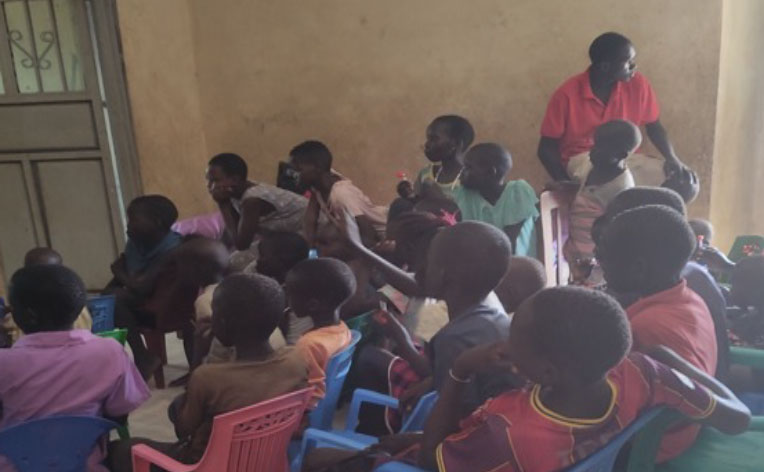
A photo of the ovc watching movie

During my visit to the orphanage, I had an interest in one of the OVC who was picked in a dust bin within Juba and she was taken to the police. The girl was picked when she was very young almost less than a week after birth.

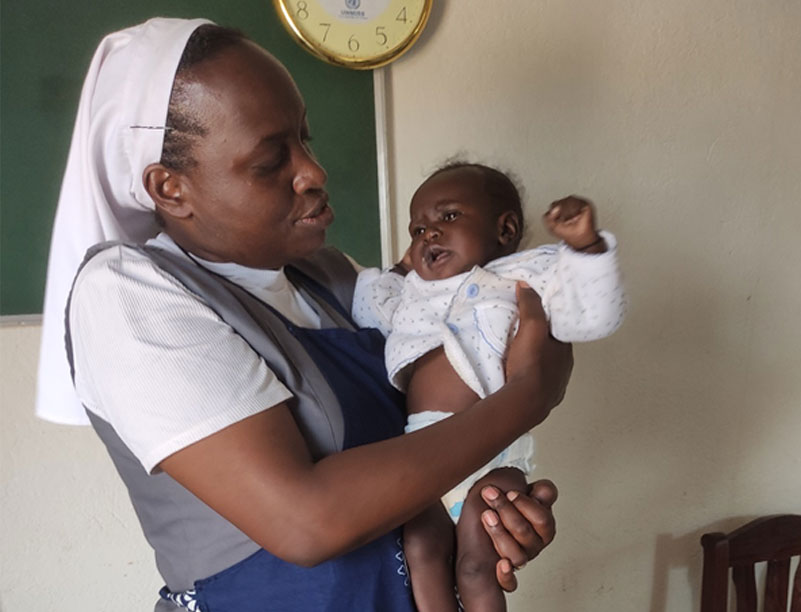
The young girl’s name is Rita she was picked by the Police and the orphanage director Mrs. Betty was called by the Police to pick the kid to the orphanage and provide all the necessary support to ensure that the young girl Rita survives.

She (Rita) is now four months old and she is a living testimony of the orphanage. She is well taken care of and she is in good form. Nobody knows the biography of Rita being that she was just picked from the streets at a very tender age and through the support that the orphanage is getting from Sudan Relief Fund the young is able to crawl and be fed.


Would you like to pray for us? Sign up for our email prayer group to receive weekly emails sharing important needs to pray for. You’ll join a faith community around the globe praying to bring hope and help to suffering people in this forgotten part of the world. Click here to find out more.

Rebecca

Lives Saved – Overcoming Adversity

Lifting Up A Community and a Remarkable Woman

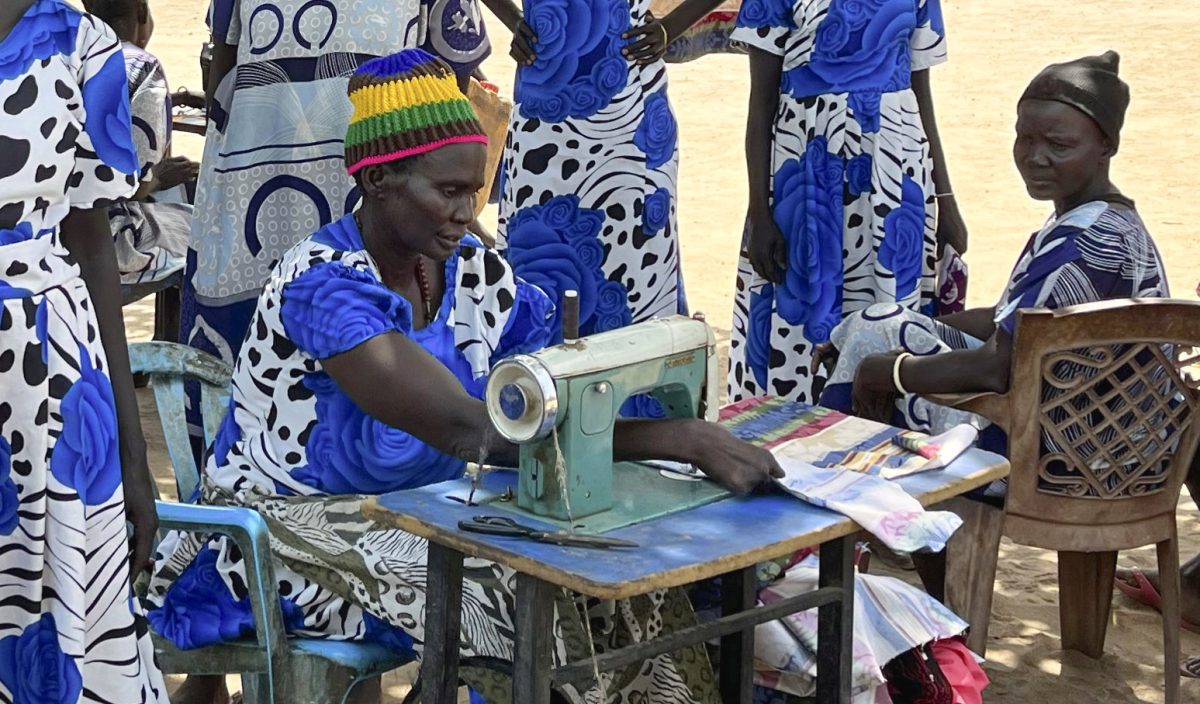
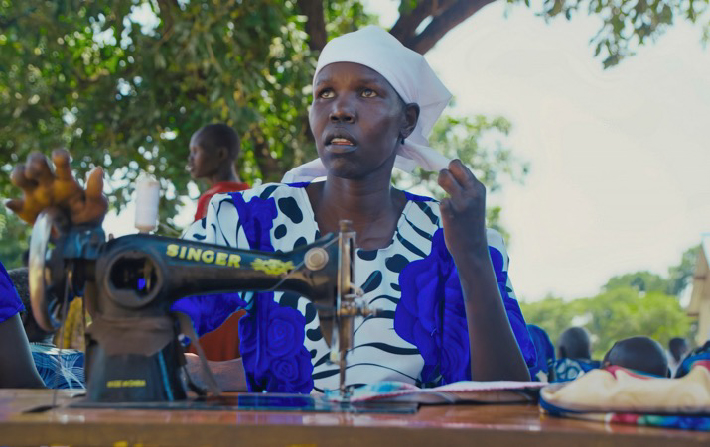
Using her God-given talents and a simple foot pump sewing machine, Rebecca (seen in the photo above) is known in her village for creating beautifully sewn garments. She uses her skills to teach other ladies in her community how to sew, and develop a means to support themselves.

But Rebecca is not your typical seamstress. She lives in the leper colony of Malo, which is situated on the outskirts of Rumbek, South Sudan. Rebecca has suffered from leprosy her whole life, which has left her with just one finger and no toes. Yet despite her handicap, she continues to transform brightly colored fabrics into attractive and useful apparel.

Adversity is nothing new to the residents of the leper colony. But overcoming their disease seemed like an impossible dream until recently. Families with leprosy are typically expelled from communities and driven forcibly away. They find themselves completely cast out and cut off from society. As a result, they end up with nothing and become destitute.

Just months ago, the people of this community were on the brink of death from starvation and illness. Driven from everywhere they went and unable to trade, they were homeless, sick, and ravaged by hunger. Their clothes were worn and ragged, and some had none left at all. They were eating leaves and waiting to die.

When Sudan Relief Fund partners discovered this group of people in their desperate state, their lives began to turn around. With generous support from our donors, Sudan Relief Fund delivered emergency food, medicine, and clothing. Homes were built, a health clinic and maternity ward were constructed, and now this community even has a church to celebrate their joy and thank the Lord for their blessings.

Rising above. A courageous woman overcomes her handicap and learns a marketable skill.

The loss of extremities from leprosy cannot be restored for people like Rebecca, but the progression of the illness can be stopped in its tracks with simple treatment. No longer is this community starving and homeless. Today, because of the generosity of donors, the village is slowly turning around.

You will see people working in planted fields, or like Rebecca, using their God-given talents in productive enterprises. Children have the chance to go to school. There is still much work to be done to cure the ill, to provide enough housing, and to rebuild a community. Medicines will always be needed. But hope has returned.

Sudan Relief Fund partners recently visited the leper community. What struck them most from their visit was the joy the people radiated in the midst of their circumstances. Their smiles were contagious and their gratitude immense. Some are still fighting leprosy, but now they have the hope of a better future. And their children are now spared from contracting the horrific disease.

There under a tree, surrounded by other ladies watching and learning, you’ll see Rebecca maneuvering her sewing machine and fabric with her one good finger and her foot without toes, singing while she works.

These stories are made possible by your support of Sudan Relief Fund. Thank you for partnering with us to save lives.


Would you like to pray for us? Sign up for our email prayer group to receive weekly emails sharing important needs to pray for. You’ll join a faith community around the globe praying to bring hope and help to suffering people in this forgotten part of the world. Click here to find out more.

Building a Better Nation

Schools Train Future Teachers and Healthcare Workers

In a place where the number of educators and healthcare workers are dismally few, Sudan Relief Fund supports two facilities that are preparing students to fill this critical need across their nation.

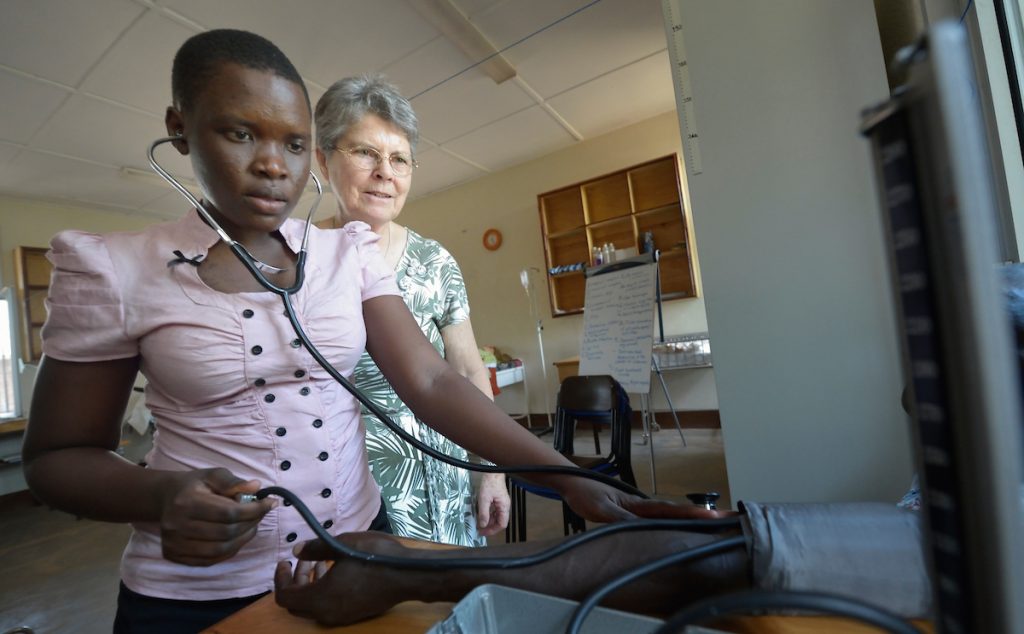
The Catholic Health Training Institute (CHTI) in Wau equips students to become registered nurses and midwives, to bolster availability of healthcare services that couldn’t be more greatly needed in their country.

Sister Nora McCarthy observes as a student takes a blood pressure during a class at the Catholic Health Training Institute (CHTI) in Wau, South Sudan. Run by Solidarity with South Sudan, an international network of Catholic organizations supporting the development of the world’s newest country, the CHTI trains nurses and midwives from throughout the country. McCarthy, who is Irish and a lecturer at the CHTI, is a member of the Sisters of Saint Francis of Philadelphia.

The Need for Facilities

Currently 34 counties in South Sudan have less than one primary healthcare unit per 15,000 people, and 23 counties have less than one facility per 50,000 in population.

Proximity is just one problem. Transportation is another. Only 59% of people can reach a healthcare facility within one hour from their home, and 80% of the population face severe obstacles in getting to a place of care – obstacles such as lack of vehicle transportation, impassable roads, and threats to safety when traveling.

Working to Improve Women’s Healthcare

Most mothers have no access to prenatal care, and deliver babies in their villages with no qualified medical supervision. It’s not surprising this gives rise to one of the worst childbirth mortality rates globally. These conditions amplify the need for qualified nurses and skilled prenatal care.

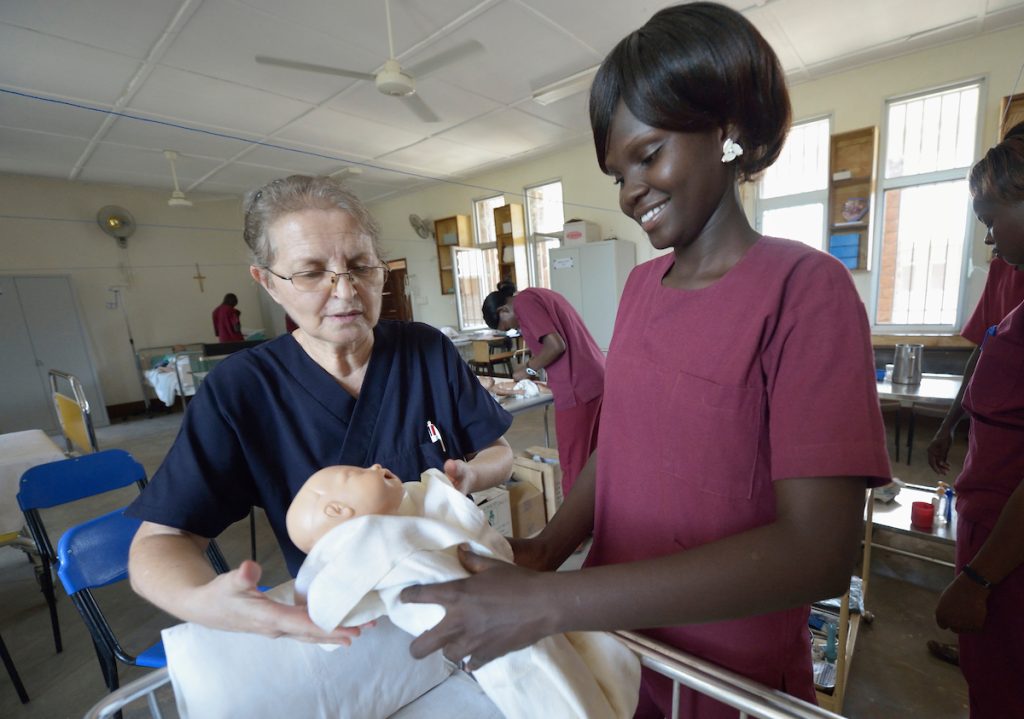
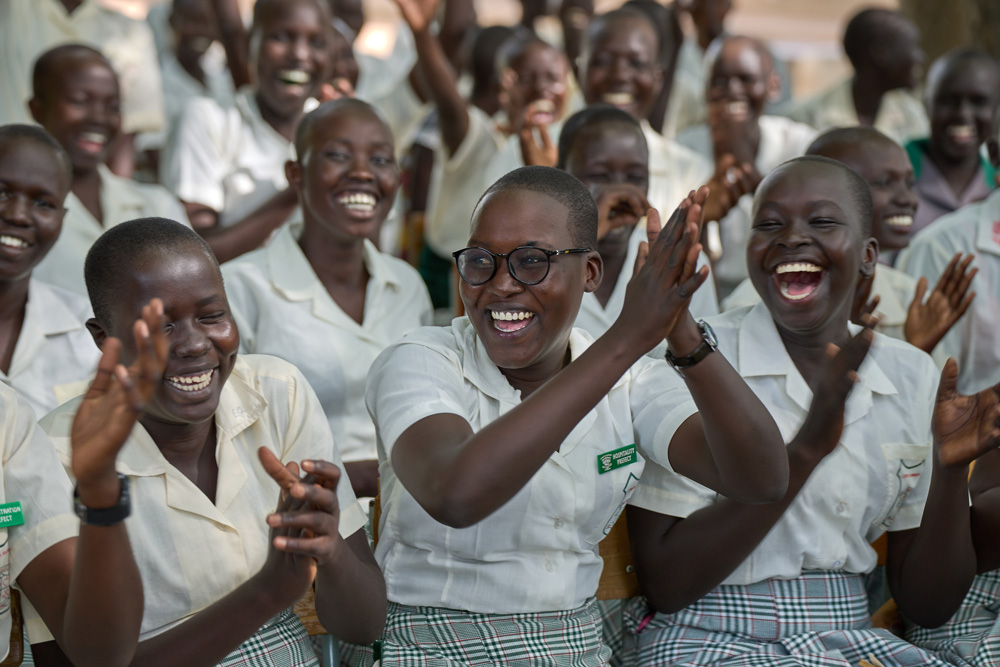
Since 2010 the CHTI has been fighting to change those statistics. To date the school has graduated 268 new healthcare workers as registered nurses (RN) or registered midwives (RM). Thirty seven percent of graduates are women, and this number is increasing. This year, 43% of the student population are women – a significant number in a country where a stigma against educating women remains prevalent.

Sister Maria Teresa Ronchi teaches a class at the Catholic Health Training Institute (CHTI) in Wau, South Sudan. Run by Solidarity with South Sudan, an international network of Catholic organizations supporting the development of the world’s newest country, the CHTI trains nurses and midwives from throughout the country. Sister Ronchi, a Comboni missionary from Italy, is a lecturer at the institute.

Promoting Peace and Unity

In addition to their medical skills, another primary component of training is peace negotiation and reconciliation. Students come to the institute from all different tribes, regions, and backgrounds. A major aim of the CHTI is to promote unity among students, teaching them to work side by side as people of one nation, who will carry that sentiment into the communities where they live and work.

A full 85% of CHTI’s graduates are currently employed in the national public or private health sector, and 35% are serving in mission hospitals around the nation. Each year a handful of students are sent on for further education, who come back as tutors to help train other students at the institute.

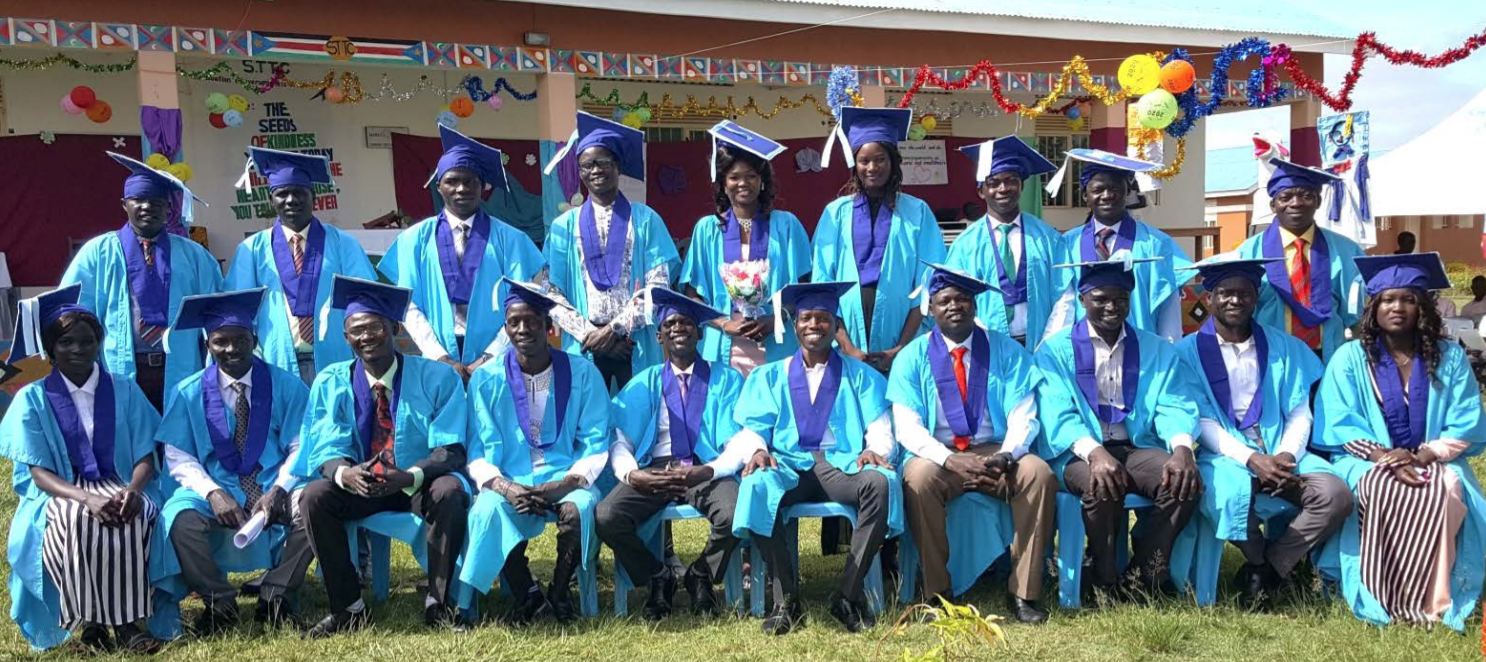
The Solidarity Teacher Training College (STTC) is dedicated to raising up the teachers of tomorrow for their nation, to combat deplorable literacy rates and alarmingly low school attendance among the country’s child population.

Localized conflicts, inability to pay schools fees, long distances from places of education, and concern for safety along the route to and from school are major factors in low attendance.

Fighting the Statistics

Government spending on education in South Sudan continues to decline and the shortage of school personnel continues to rise, underscoring the importance of the STTC’s mission more than ever. Since 2012, the school has graduated 746 teachers, and 72% of these graduates are employed in education in their local communities.

STTC is committed to promoting equal opportunity education for men and women. Currently, 17% of graduates are women, and the school has set a recruiting goal for women to reach 50% of their student population. They are getting close. This year, among the 41 new students enrolling, 20 of them are women.

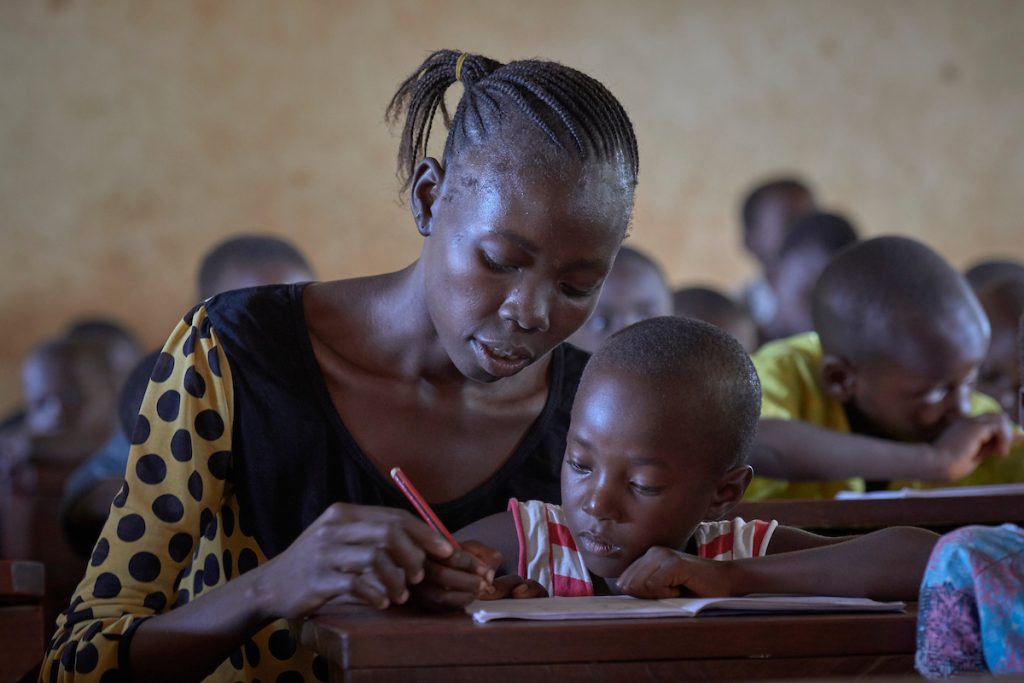
Joana Ilario, a graduate of the Solidarity Teacher Training College (STTC) in Yambio, South Sudan, helps one of her students in the Catholic Church-sponsored St. Mary’s Primary School in Yambio. The STTC is run by Solidarity with South Sudan, an international network of Catholic groups working to train teachers, health workers and pastoral agents throughout the African country.

Enhancing Curriculum

Students master a curriculum of English, Math, Science, Social Studies, Christian Religious Education, Physical and Health Education, with extracurricular activities in Arts and Music. There are also agricultural workshops and sports activities. Each year, two students are chosen to pursue higher education, who return to teach at STTC for a minimum of four years.

Beginning in July of 2022, STTC launched a new additional one-year program for graduates, so those who hold their basic primary teaching certificate can achieve Diploma level. This will bring their teaching credentials closer to that offered in other countries and open opportunities for graduates to qualify for higher positions in the education sector.

Exemplifying Peace

Another mission of the school is to equip teachers with peacebuilding dialog and conflict resolution skills, to serve as leaders in their communities in unity and reconciliation efforts that represent a tremendous need in the nation.

Because of our faithful donor base, Sudan Relief Fund is able to continue supporting these two wonderful institutions, that work on the frontlines to build a more peaceful and sustainable future for the people of South Sudan.

A Collision of Crises in South Sudan

Four years after South Sudan’s warring government factions signed a peace agreement intended to put an end to civil war, humanitarian indicators reveal the struggling nation is in as much distress as before, if not greater.

A lethal combination of internal strife, disastrous weather, and the effects of the Ukrainian war have plunged the volatile country into further poverty, displacement, and hunger.

Victims Flee Ongoing Violence

The five-year civil war that broke out shortly after South Sudan’s independence in 2011, killed at least 400,000 people and sparked widespread hunger and homelessness. The young nation is tenuously ruled by a transitional government between current president, Salva Kiir, and his rival, Vice President, Riek Machar, representing opposing political factions. A free election slated to take place in December was recently postponed, extending current rulership for at least two more years.

Both factions have been accused of using their current authority to shore up power and expand their supporter base. Meanwhile, violent clashes are commonplace in various parts of the country, and growing rogue militias nearly outnumber the nation’s armed forces.

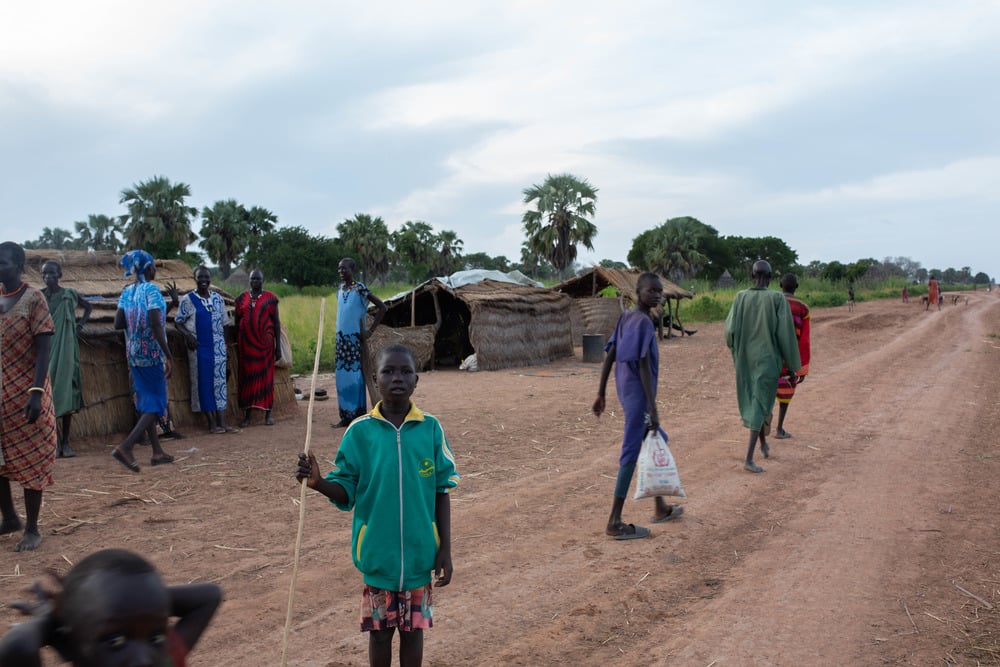
Cattle raids, burning of homes, and armed attacks continue to force entire communities into displacement camps and worsen the poverty level that already plagues the people. Recent estimates underscore the dismal situation that “almost half the country is fighting itself.”

War and Weather Extremes

Adding to the problem of ongoing violence is a series of extreme weather events from devastating floods to widespread drought, fueling a burgeoning food insecurity crisis across the nation. Humanitarian organizations report over 7 million people are going hungry while facing cutbacks in aid from the World Food Program, and interruptions in vital food shipments from Ukraine. Rising prices of what food supplies exist make purchasing staples out of reach for most families.

In local culture, families will typically share food with another household if someone is without. Now locals say that’s impossible, as families themselves are struggling to survive. With so many now heavily dependent on aid that’s been restricted or doesn’t arrive, observers fear a humanitarian crisis of epic proportions will arise from these combined factors hitting the nation at once.

Peace activist and South Sudanese civil servant Julia Duany expressed, “Politicians have divided people, but the time will come when people will realize that we are not benefiting from what they are doing.” Until that time arrives, the people of this country continue to need increased humanitarian aid. Read more about the crises here: https://www.thenewhumanitarian.org/analysis/2022/10/18/South-Sudan-humanitarian-needs-conflict-flooding-famine

South Sudan Rated “Worst Roads” in Region

Floods Choke Transport Routes and Hinder Aid Deliveries

South Sudan’s roads were named the “worst roads in the region,” according a report released by the Northern Corridor Transit and Transport Coordination Authority (NCTTCA), an east African source.

Recent torrential rains and widespread flooding in the struggling nation are worsening an already dire situation, hindering vital deliveries to people already facing food insecurity and malnutrition at crisis levels.

More than 1,500 trucks carrying critical food supplies were stranded for weeks in the Western Equatorial state due to impassable road conditions. South Sudan Roads Minister, Mijok Mijak, apologized publicly for the delay and claimed the trucks would be movable within a few days’ time.

Not a timely coincidence, South Sudan is experiencing its fourth consecutive year of floods, which currently affect nine out of the country’s ten states. According to the UN Office for the Coordination of Humanitarian Affairs (OCHA), the floods have wiped out crops, killed livestock, swept away homes, washed out roads and bridges, destroyed schools and health facilities, and submerged boreholes and latrines to create sanitation risks and the threat of waterborne diseases.

In the western state of Bahr el-Ghazal, rains and floodwaters collapsed a key bridge that has cut off delivery of emergency aid. To the north in Unity State, the rising waters breached dykes in two locations that threatened a UN Mission base and two camps for internally displaced people.

According to the most recent UN report, over 900,000 people have now been affected by the floods in South Sudan, which is more than double the figure reported a month ago.

Read more: https://www.the-star.co.ke/news/africa/2022-10-07-south-sudan-minister-sorry-for-worst-roads-in-region/, https://www.africanews.com/2022/10/12/over-900000-people-affected-by-floods-in-south-sudan/.

Passing the Baton

Saying Goodbye to a Beloved Partner and Welcoming a New Sister

Sister Anne Wandia poured her heart and soul for years into caring for the poorest and marginalized on the frontlines of the challenging Wau refugee camps.

During her service, thousands of displaced people and desperate families found their way to the camps at Wau. Sister Anne Wandia never failed to be there offering lifesaving help – food, clean water, a place to stay, schooling for the children, spiritual and emotional support. Through it all, she helped traumatized, weary people gain the will and resources to start over.

Now Sister Wandia has been called to another country to serve people in need in a new capacity. “There are many happy memories in my mission,” she said, “thanks to the support and help from Sudan Relief Fund.”

Sister Anne Wandia’s countless contributions will be remembered in Wau, their legacy being reflected through the many thousands of lives she has impacted for the good.

A New Chapter

Sudan Relief Fund welcomes Sister Felicia Matola, who is coming to South Sudan to take on the challenges of the Wau refugee camps. But the challenge is not a new one for Sister Felicia. She has been a professed Franciscan missionary in Africa for 52 years.

Hailing from the United States, Sister Felicia decided when she was seven she wanted to become a sister. She was twelve when she set her heart to become a missionary. She trained for the sisterhood in the US, then spent time in the congregation’s mother house in Ireland.

After that she headed to Uganda where she spent the following 25 years. Among others, she worked in a teacher training college, taught biology in Namagunga, lived among the Ituk in Usuk doing pastoral and youth work, and helped women in development. 

The Franciscan Missionary Sisters for Africa (FMSA) have been working in five countries on the continent since 1903, including Uganda, Kenya, South Sudan, Zimbabwe, and Zambia.

Sister Felicia recognizes the challenges that accompany working in South Sudan and knows well the struggles. But she is determined to live out her life’s mission in the region.

“It’s very difficult to tell people ‘God is love,’ and then just get on a plane and leave, and come back when it’s nice and cozy, and they have had to go through all the trouble. The fact that we stayed made a very deep impression on the people and I think it showed them we really did care about them and do care about them.”

Threat of Starvation Mounts as Hunger Crisis Swells in South Sudan

A hunger crisis of disastrous proportions continues to brew in South Sudan, where more than 8 million people face severe food insecurity. Ongoing civil unrest and weather extremes from floods to drought have ravaged the nation’s food supply. Worsening the conditions are skyrocketing prices from the war in Ukraine and cutbacks by the World Food Program, which come at the worst time for this nation already under threat of widespread starvation. PBS exposes the dire conditions in this special report.

Khalis

Dr. Tom Helps Young Boy Walk Again

Every day, Dr. Tom Catena works around the clock to save lives at Mother of Mercy Hospital – a facility supported by Sudan Relief Fund that offers hope to more than 100,000 patients each year who would otherwise go without needed medical treatment.

They come for many miles, traversing hours of difficult terrain to reach this remote destination in the Nuba Mountains. As Founder and Medical Director of the hospital, and its only surgeon for many years, Dr. Tom has seen it all.

Some patients particularly touch this veteran surgeon’s heart. Recently he shared the story of a boy named Khalis.

Khalis was a strong and healthy teenager. One day he was dismayed to discover that his leg began to swell. Not only was this concerning, it also brought debilitating pain.

He searched for answers at his local clinic, but none of the treatments helped. In a very short time, he went from a robust teenager to being unable to walk without assistance.

For an entire year, Khalis simply endured the pain and made do with one functional leg. However, soon his good leg also began to swell. This devastating discovery led him to make the long trek to the Mother of Mercy hospital to seek help.

Khalis at last finds the help he needed at Mother of Mercy Hospital.

“He came to us in rough shape,” said Dr. Tom. When Khalis arrived, he was diagnosed with osteomyelitis, a severe bacterial bone infection that had set in. He needed a blood transfusion, and he required surgery on both legs to get rid of the infection and all affected bone tissue.

Thanks to Dr. Tom’s skillful expertise, the surgeries were successful. Soon Khalis will leave his wheelchair behind and graduate to crutches. “While his path to healing is long, it brings me joy to share that a full recovery is on the horizon,” Dr. Tom reported.

Khalis continues to improve and inspires the staff daily with his resilience. “Witnessing Khalis’s progress is remarkable,” Dr. Tom continued. “His spirit of joy is infectious, and happiness radiates from his smile. He’s made a profound impact on my entire team.

“I wish you could witness the impact you’re making on people living in the Nuba Mountains in person,” Dr. Tom expressed. “Because of your generosity, patients like Khalis are receiving the treatment they need to feel whole again.”

Stories like this are possible because of your support to the Mother of Mercy Hospital through the Sudan Relief Fund. Your gifts are changing lives and bringing hope every day to patients like Khalis and many others. Thank you for partnering with us to save lives.


Would you like to pray for us? Sign up for our email prayer group to receive weekly emails sharing important needs to pray for. You’ll join a faith community around the globe praying to bring hope and help to suffering people in this forgotten part of the world. Click here to find out more.