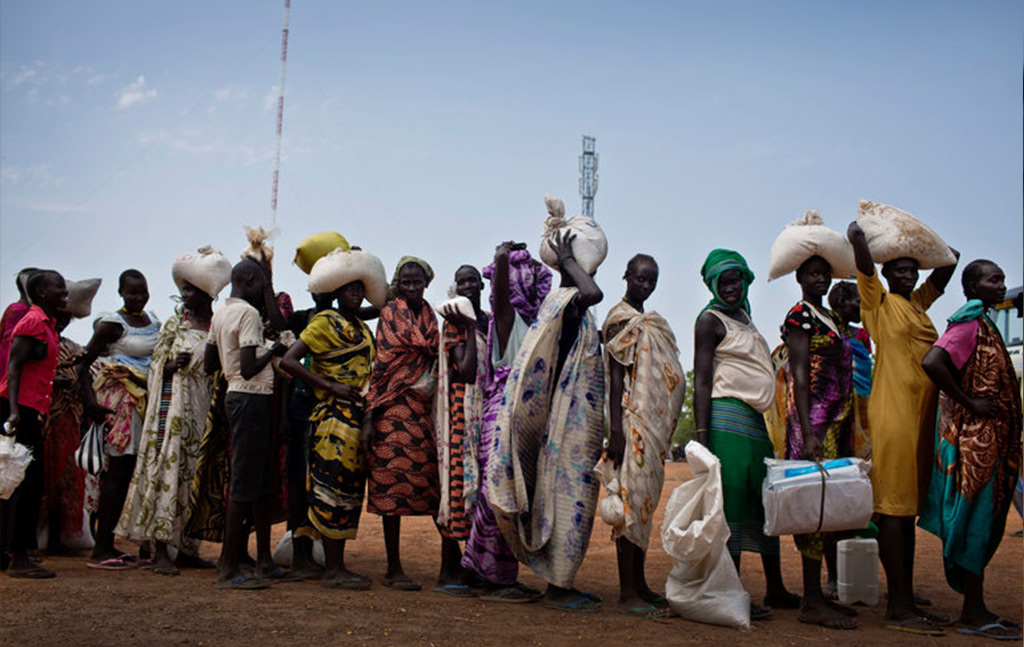
Escaping the slaughter: The young refugees who ran from South Sudan’s ethnic violence

South Sudan is the world’s youngest country – and its young are suffering the most. More than a million people have fled abroad from ethnic violence that has killed an estimated 50,000.

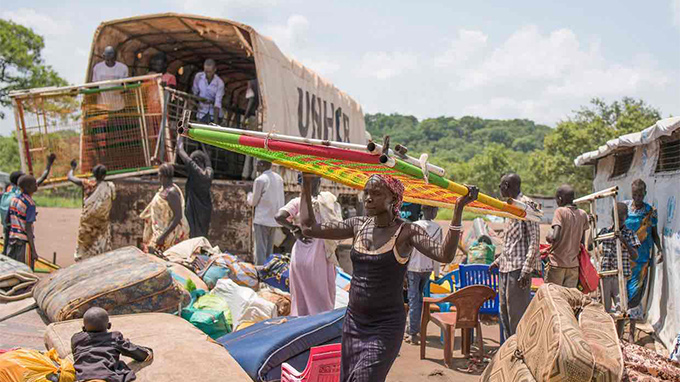
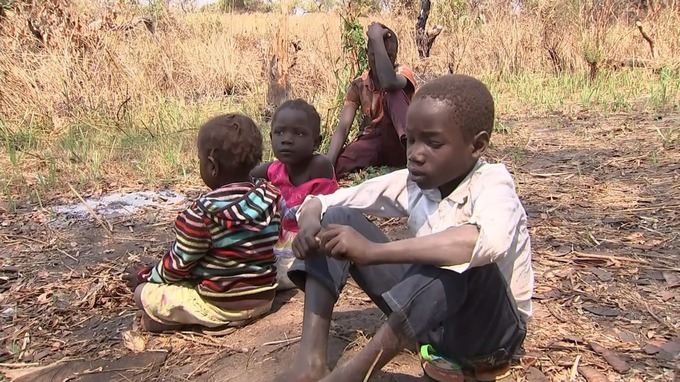
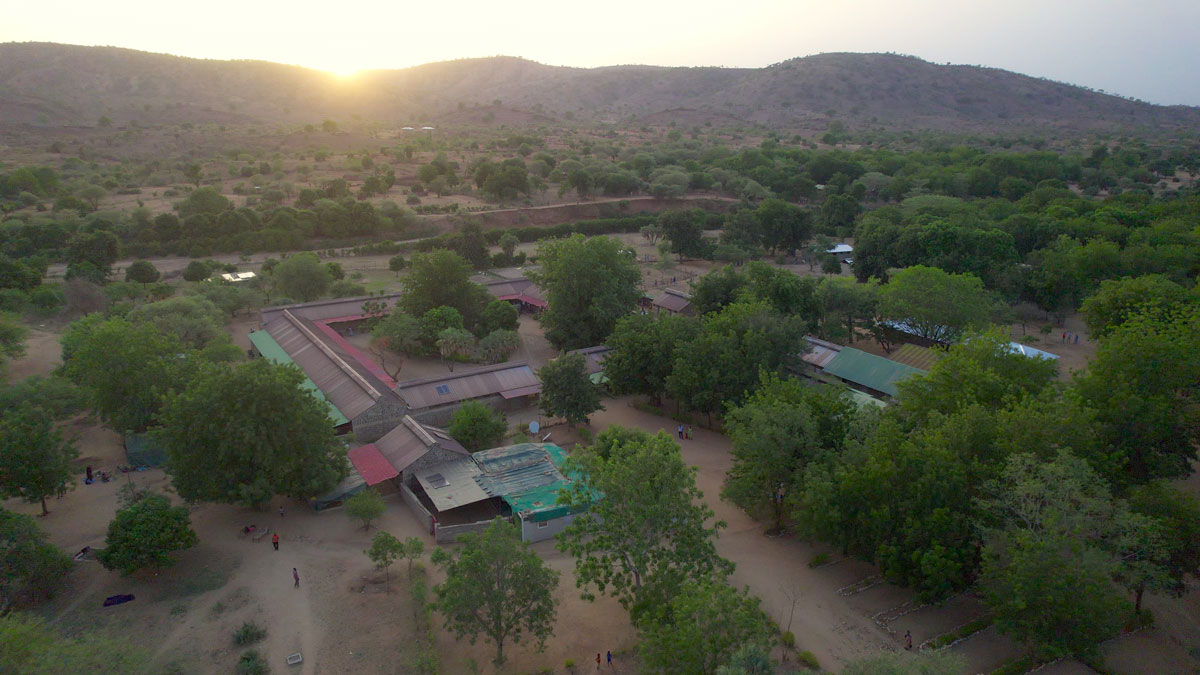
The UN Refugee Agency, alongside Ugandan authorities, runs what has become the world’s second largest refugee camp. Bidi Bidi is home to 270,000 people – and it seems each of them is a witness to extreme brutality.

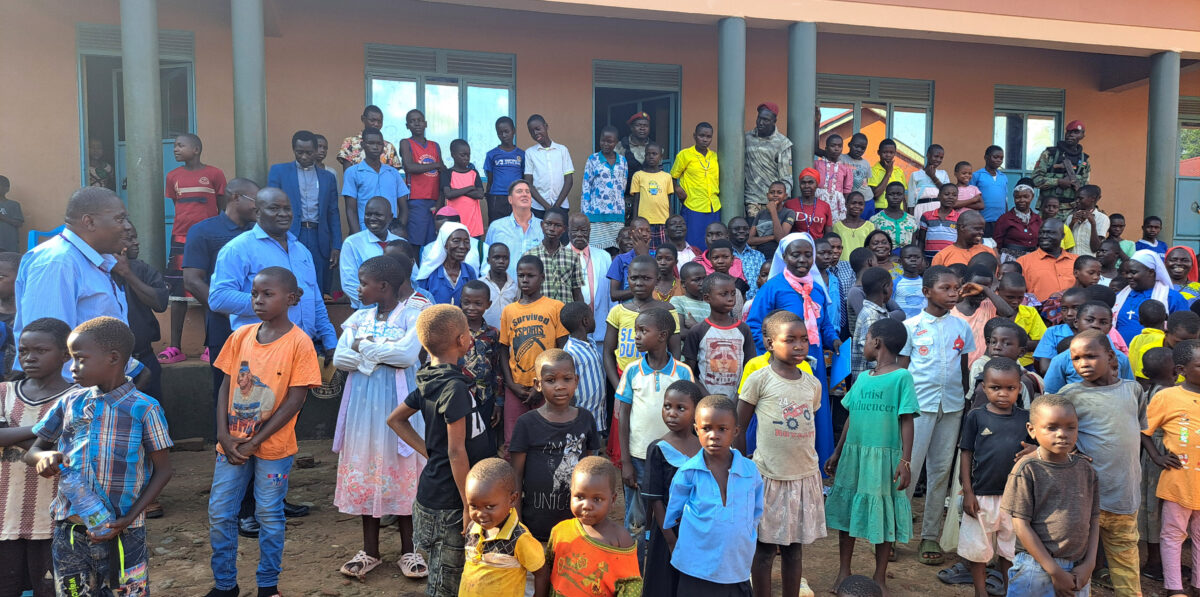
“It’s war and our parents die,” says Lena, a 16 year old refugee traumatized by the deaths of her mother and father. “There are many orphans here.”

The United Nations is sufficiently concerned at the escalation of violence to warn of the potential for genocide. However, the UN Security Council failed to agree an arms embargo on the country.

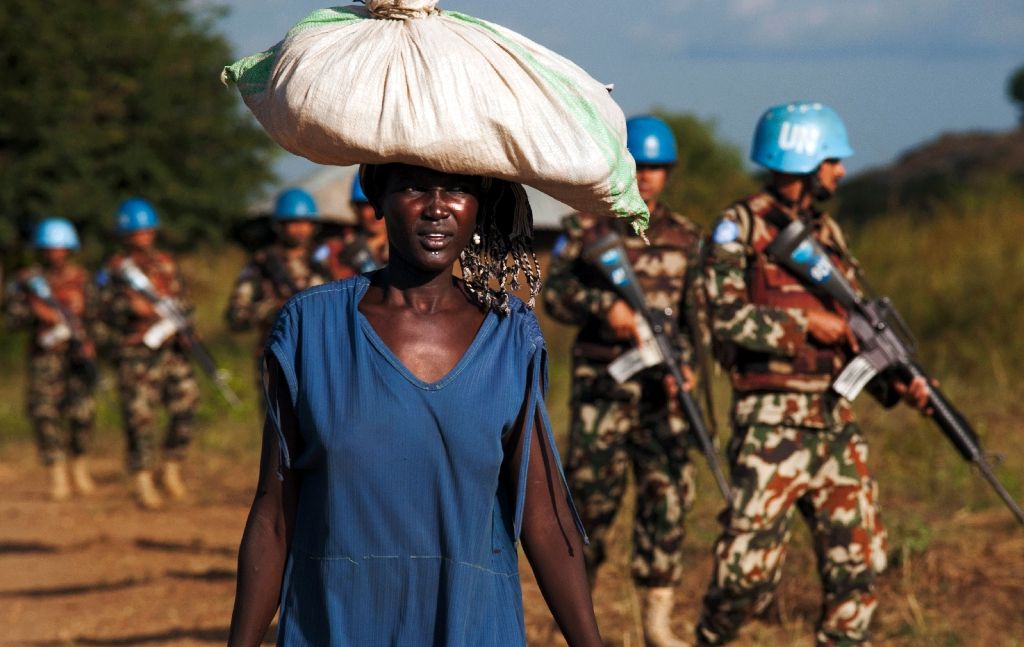
The UK government has provided more than £100m in aid to South Sudan this year and British troops are due to bolster the United Nations peacekeeping mission in South Sudan in the months ahead. But by then, there might be little peace to keep.

Read more here.

Bookseller of Malakal brings words of comfort to war-torn South Sudan

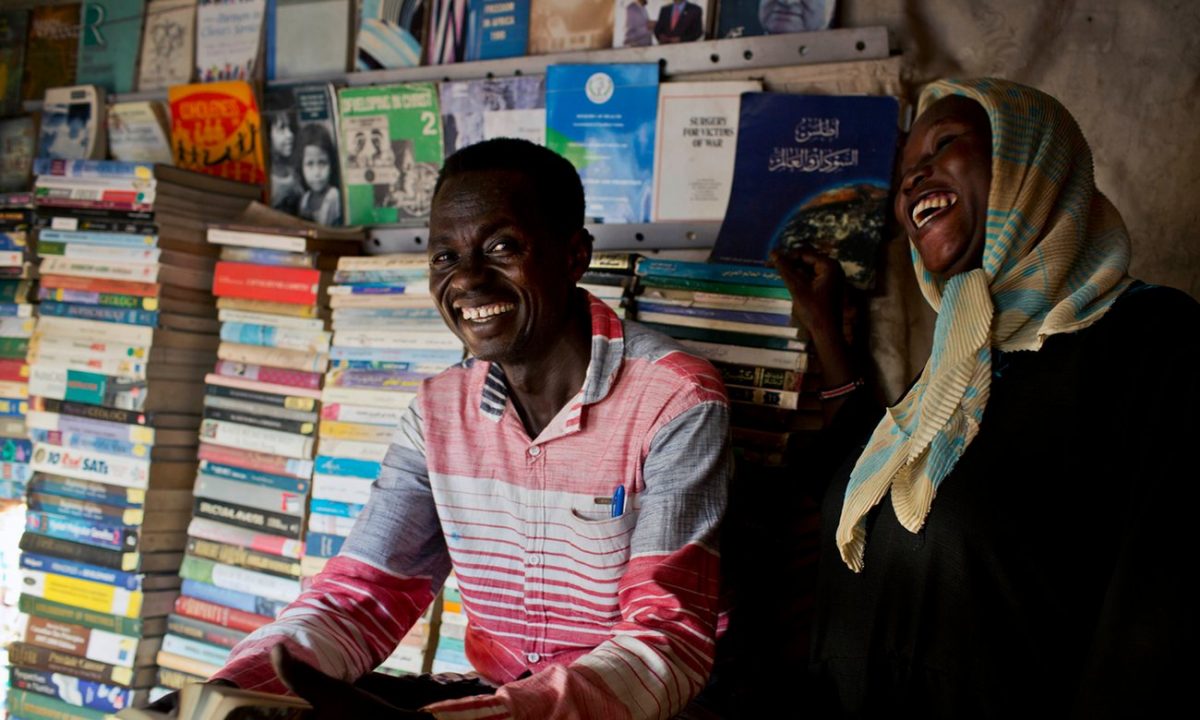
Just over three years ago Juma’a Ali traveled to South Sudan to escape persecution with all the books he could carry. Unfortunately, around the time of his arrival, civil war broke out in the world’s youngest country. Now he is one of the tens of thousands displaced people, but he still has hope. Ali’s little book shop now stands as a source of education and distraction from the often deplorable conditions the camp’s residents live with on a daily basis.

Read more here.

South Sudan Could Repeat Rwanda’s Horrors

South Sudan is “on the brink of a catastrophe” and is being warned of a repeat of the Rwandan genocide. Violence is spreading through regions of South Sudan, such as Central Equatoria, that had previously been quiet.

There is already a steady process of ethnic cleansing underway in several areas of South Sudan using starvation, gang rape and the burning of villages; everywhere we went across this country we heard villagers saying they are ready to shed blood to get their land back,” says Yasmine Sooka, the chairman of a three-member U.N. commission on human rights. “Many told us it’s already reached a point of no return.”

The U.N. Security Council was expected to vote on a resolution on November 29th imposing targeted sanctions and an arms embargo, but then Russia, China and others expressed opposition and the vote was put off. An earlier plan to send 4,000 peacekeepers for a regional protection force to join the 12,000 already in South Sudan has yet to be implemented.

“The scale of rape of women and girls perpetrated by all armed groups in South Sudan is utterly unacceptable and is frankly mind boggling” adds Ms. Sooka. She said aid workers described gang rape as so prevalent that it has become “normal.”

A report from the Council on Foreign Relations says the danger of genocide is real and proposed that the United Nations and African Union run the country for 10 to 15 years to help it rebuild.

Read more here.

The Chaos in South Sudan Keeps Getting Worse

At an orphanage at the edge of Juba, South Sudan’s battered capital, there are no longer any children. The orphanage, which is run by an Austrian Non-Governmental Organization, had to move to a more secure part of town after fighting broke out nearby in July. It is now considering moving back—but only if the security lasts, a tough call in a country plagued by economic crisis and dire warnings of genocide.

The fighting in July was between the forces of Salva Kiir, the president, and Riek Machar, the former vice-president, after a peace deal broke down. Since then the city has returned to an uneasy calm, but the rest of South Sudan has not. A war that had previously been concentrated in the swampy north of the country has spread to southern areas, which had been peaceful. Worse, the fighting has provoked violence between ethnic groups.

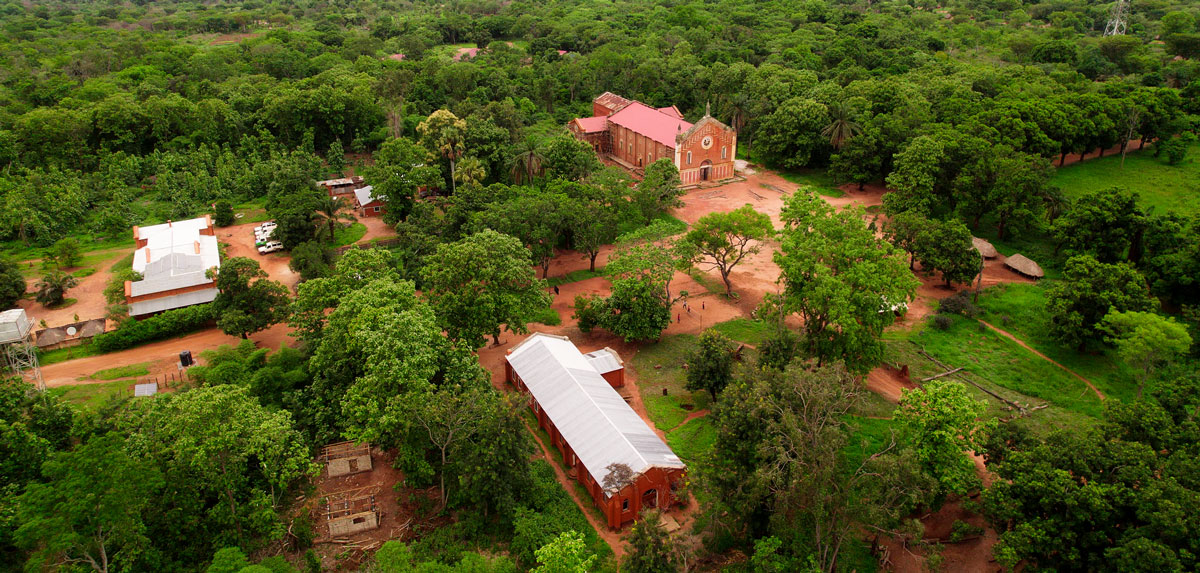
While many other organizations are fleeing the area due to violence, the Sudan Relief Fund is committed to staying to help young victims that have no family to turn to, and nowhere else to go. The two orphanages funded by the Sudan Relief Fund, The Congregation of Christian Brothers’ Star Support Group and The Saint Bakhita Orphanage, support children in South Sudan-Yambio by providing food, health and medical services, school fees, and basic daily necessities.

With a kind donation, the Sudan Relief Fund will be able to address their important daily needs and help empower the next generation in South Sudan.

Click here to donate and support the orphans of South Sudan.

Read more here.

Doctor Tom Catena and Mother of Mercy Hospital Receive Much Needed Medicine!

Sudan Relief Fund is delighted to share fantastic news! Due to the generosity of donors to Sudan Relief Fund, a large delivery of medicine has arrived at Mother of Mercy Hospital in the Nuba Mountains for Dr. Tom Catena.

Delivering medicine in this area can be challenging. The vital medical supplies had to be delivered via chartered aircraft and trucks. The supplies will help Dr. Tom treat those suffering with injuries from bombing attacks, disease and other ailments. Mother of Mercy Hospital is the only fully functional hospital in the area, serving more than half a million people.

We thank all of our generous donations who have made this possible!

If you would like to support Dr. Tom’s work, please click here.

Thousands Trapped by Fighting in South Sudan Receive Emergency Aid

The United Nations refugee agency UNHCR said it has distributed life-saving items to more than 6,000 vulnerable families trapped by fighting in Yei River state over the last six months.

Internally displaced people say they welcome the relief aid, but want to be allowed to safely return to their home villages. The food rations they are receiving are not enough to survive on.

UNHCR officials say more than 10,000 families were displaced from their homes in Yei County after fighting broke out between government forces and armed opposition groups aligned to former Vice President Riek Machar. Aid workers and local leaders say thousands of Yei residents have been forced to flee to neighboring Uganda and the Democratic Republic of Congo because of the rampant security issues insecurity.

The U.N. also said at least 100,000 Yei residents have been stranded within the town, with no means of escape.

Read more here.

Over a Dozen Killed in South Sudan Clashes

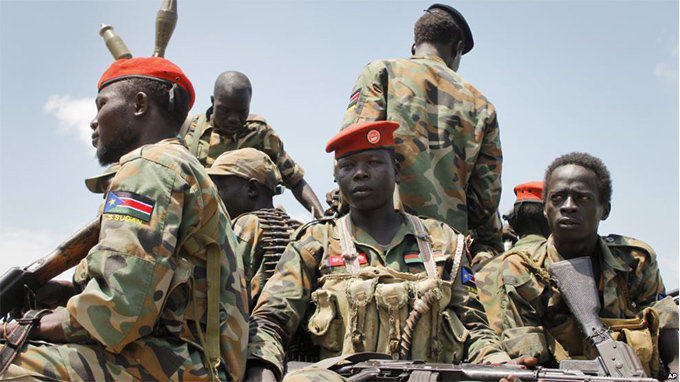
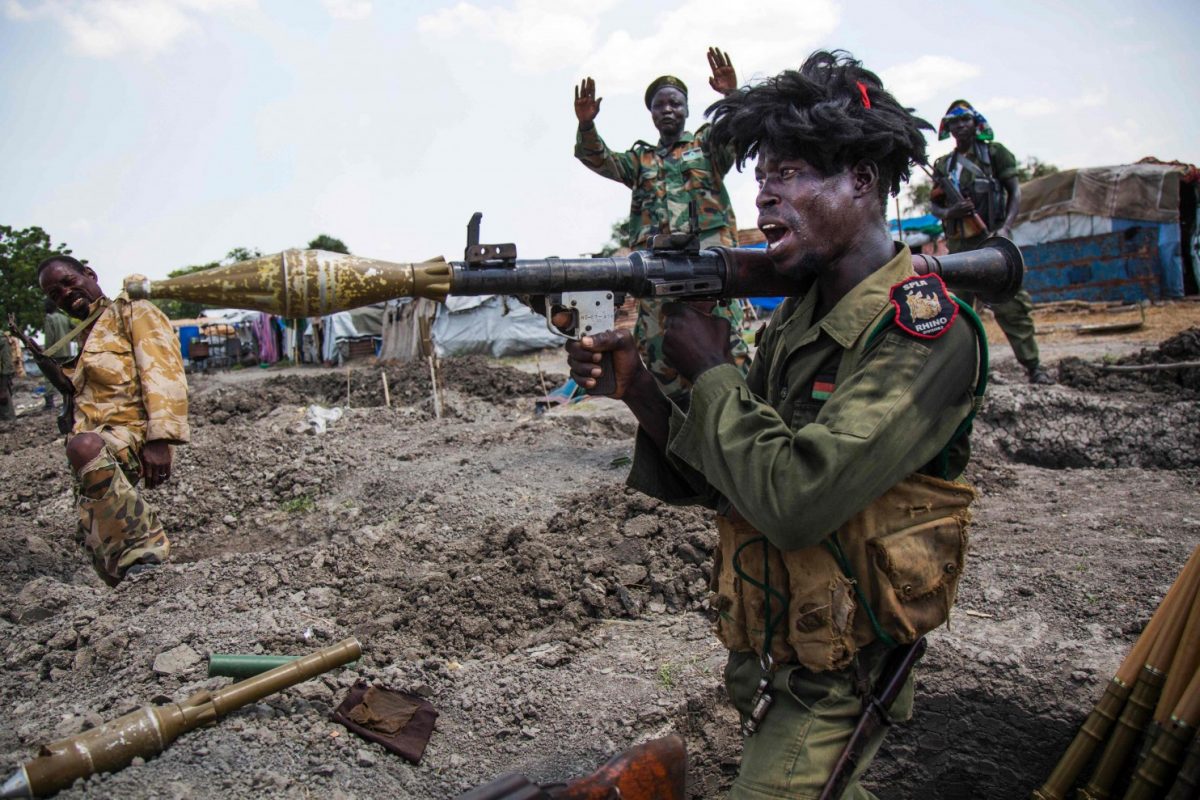
South Sudanese soldiers and rebels have clashed in a state bordering Sudan, killing at least 15 people. The army said that it moved in after spotting rebels loyal to former vice president Riek Machar trying to steal cattle in the small village of Adaab el Bahr, in Unity State. The rebels then caught them in an ambush, which carried on for just short of an hour.

A spokesman for the Machar-allied SPLA-In-Opposition said that his forces killed 20 soldiers – higher than the government estimate of 15- and another 23 in a fight in Tore, in Central Equatoria state, on the same day.

Meanwhile, the US ambassador to the UN said on Thursday that the United States will be presenting a draft Security Council resolution in the coming days, which would impose an arms embargo and targeted sanctions on South Sudan.

Read more here.

South Sudan’s Closure-Threatened University Ruled to Remain Open

The Minister of Higher Education has approved Catholic University of South Sudan in Juba to remain open. It is the only university currently operating in South Sudan.

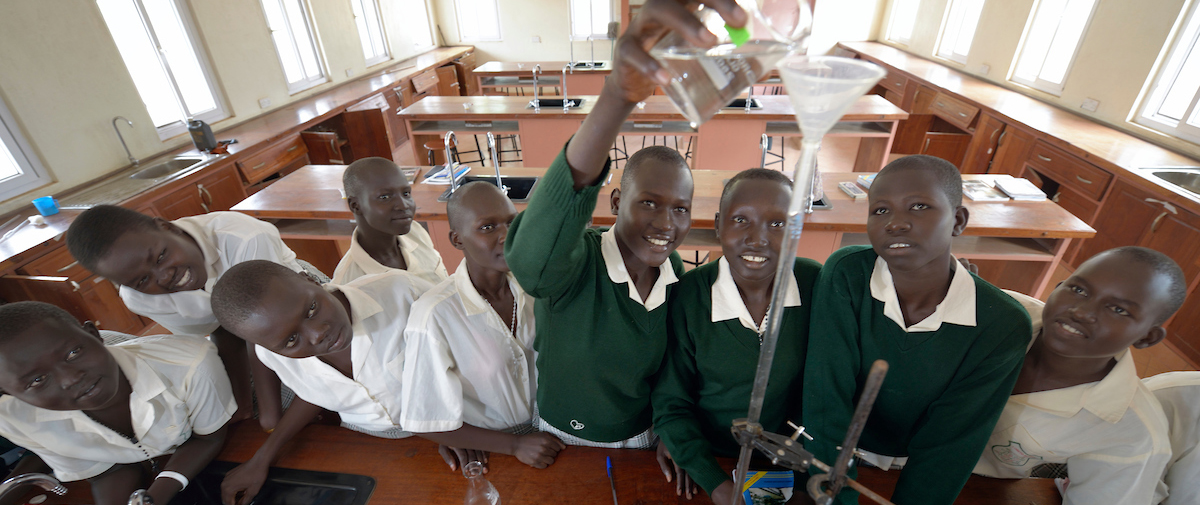
The Minister and eight other of his team members met earlier this week at a press conference to decide whether or not to keep Catholic University open. Despite not meeting the minimum requirements, such as a laboratory, meeting hall, or proper library, it was still approved after the team recognized the impressive ongoing work at the university.

Catholic University, which was funded by The Sudan Relief Fund, opened in 2008. Since then, hundreds of students have attended this respected higher learning institution, which represents real hope for young people in the country.

Sudan Relief Funds Helps over 1,000 Orphans and HIV/AIDS Victims in South Sudan

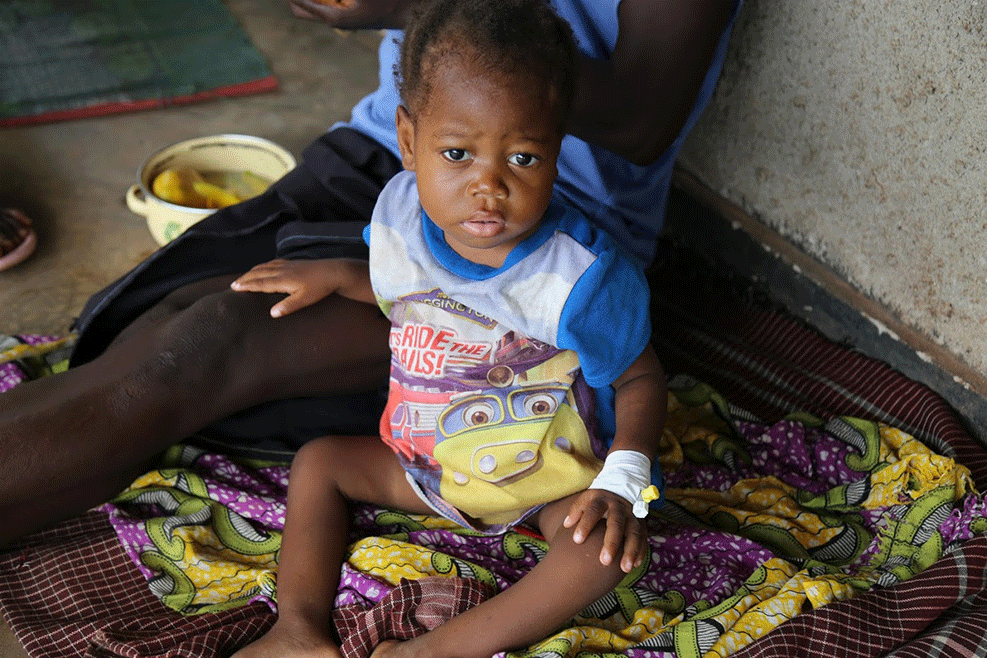
HIV/AIDS is one of the greatest global health challenges of modern times. This problem especially impacts the poor and war-torn country of South Sudan, where medical treatment needed to prevent the virus from spreading is extremely scarce.

In a part of the world where there is little understanding of how to prevent HIV/AIDs, the Sudan Relief Fund provides financial support and medical treatment for those infected. Through the kind and generous support of our donors, over 1,324 beneficiaries in South Sudan are receiving free prophylaxis and opportunistic infection drugs. In addition, 611 orphan children are able to attend school for the entire year tuition free.

Because of you, the Sudan Relief Fund is making great strides in treating those living with HIV/AIDs. Prolonging the lives of these patients through medication, micro-finance, and nutritional support will help those suffering and gain renewed hope.

The Sudan Relief Fund thanks you for your generous gifts.