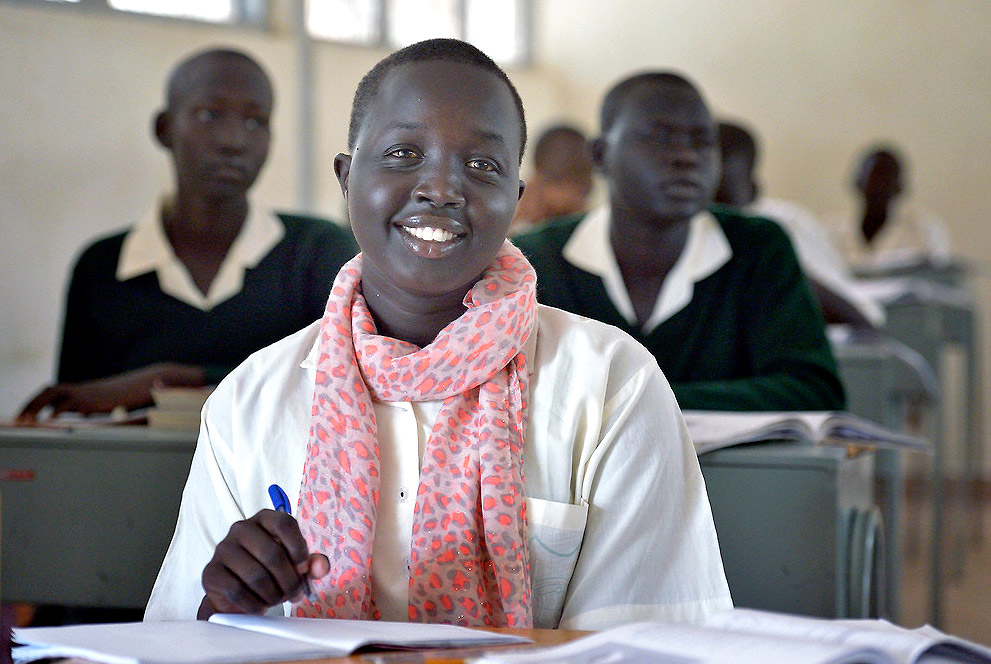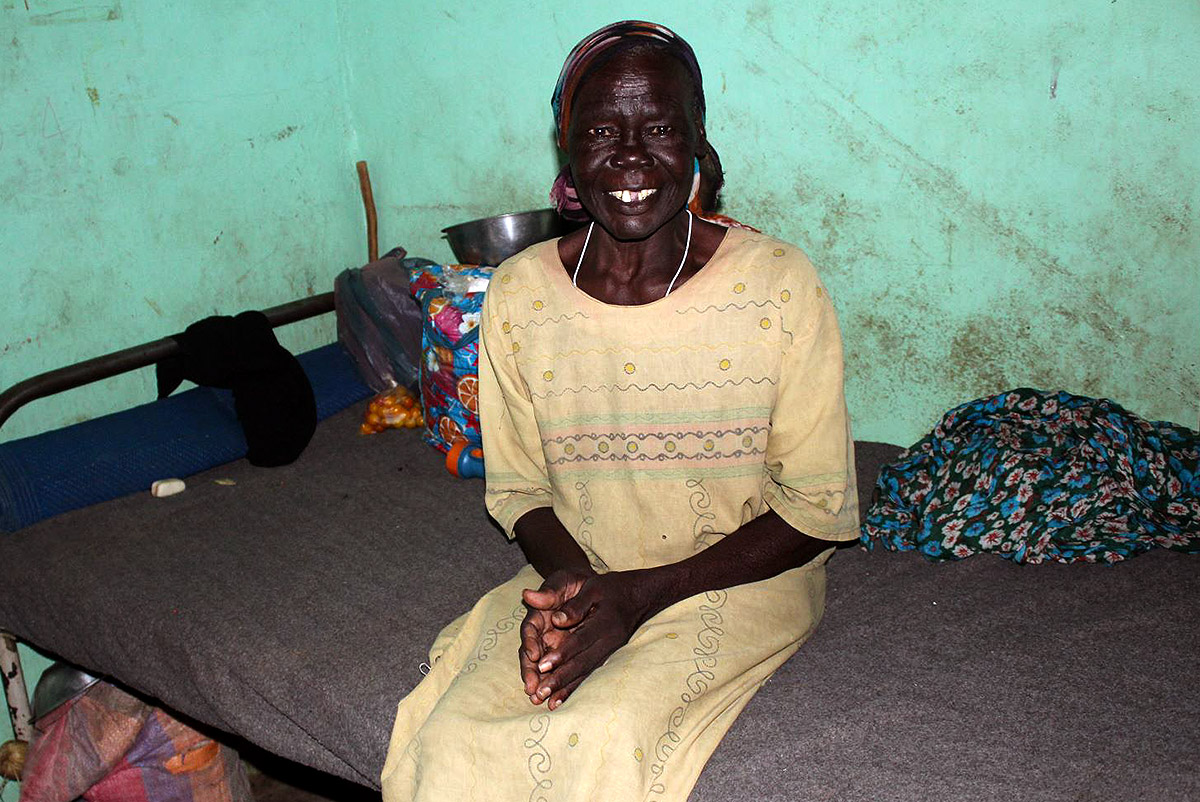
Hawa Kafi

Mother Finds Critical Help at Only Hospital Able to Treat Her

Even today, tuberculosis remains the deadliest infectious disease killer in the world. It can attack various parts of the body, sometimes without symptoms, where it lurks silently as it multiplies. It may attack different organs, even the spine and brain. It’s also highly contagious.

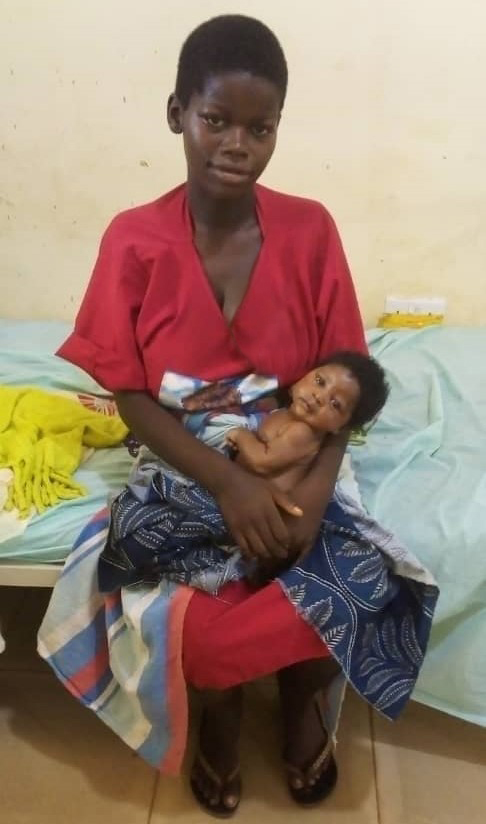
Thankfully, victims can be cured of TB with appropriate treatment if received in time. Hawa Kafi, a mother living in Kacha – a village in the western Nuba Mountains – knows just how lucky she is to be one of them.

Like many victims, Hawa didn’t know she contracted tuberculosis. Her ailment began with back pain – something easily mistaken for other causes. After dealing with the constant pain in her back for a month, she began to notice pain in her legs also. Then her legs began to swell. Frighteningly, they swelled so much that Hawa couldn’t walk or even get out of bed. Her body also burned with a high fever. 

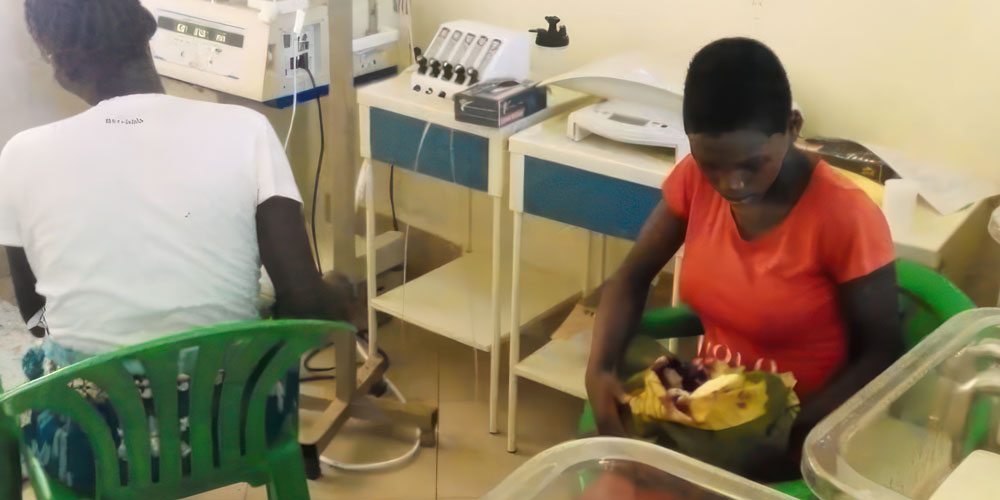
When this happened, relatives took Hawa to the nearest hospital in Lwere. She stayed there for twelve days, but only grew worse. Fortunately, Hawa was referred by the hospital to Mother of Mercy in Gidel – a Sudan Relief Fund sponsored facility directed by missionary doctor Tom Catena, who serves as the only residing surgeon.

Although she didn’t yet know it, that referral was critical to saving her life. Mother of Mercy is the only hospital in the region capable of treating tuberculosis and equipped with the necessary medicine to fight it. This is possible because generous donors provide funding for TB and other vital medicines to the hospital that enable Mother of Mercy to save lives like Hawa’s.

Hawa endured a six hour drive by truck to make it to the facility which is the only one of its kind for hundreds of miles. When she arrived, she was immediately diagnosed and put on a protocol of powerful antimicrobial TB medicines.

It was a tough road for Hawa. The disease had taken a powerful toll on her body before she found help. But the relentless regimen of treatment eventually turned the tables on her illness. Five months after being admitted, Hawa at last turned a corner and started to improve. She was moved with incredible joy when she could begin to use her legs again and move around with support.

By now Hawa reports she is doing much better, with only a little pain remaining in her back and right knee. She continues to recover steadily. She knows this is only because of a hospital that was there to offer the help she needed, when her life was on the line. 

Dr. Tom and his team work every day to save victims like Hawa from deadly diseases. Your support makes it possible for Mother of Mercy Hospital to maintain vital medicines that are making the difference. Thank you for helping to save lives.


Would you like to pray for us? Sign up for our email prayer group to receive weekly emails sharing important needs to pray for. You’ll join a faith community around the globe praying to bring hope and help to suffering people in a forgotten part of the world. Click here to find out more.

South Sudan Reports Outbreak of Yellow Fever

St. Theresa Takes Steps to Ready Hospital in Nzara

The World Health Organization (WHO) has confirmed thirty cases of the viral disease yellow fever in the Western Equatoria state of South Sudan. As of February 1, six deaths were reported among the thirty cases identified.

Fifteen of the cases occurred in Yambio County where the largest outbreak remains, with seven cases confirmed in Tombura, five in Nzara, two in Ebba, and one instance reported in Ezo. 

South Sudan’s Ministry of Health has activated an emergency operations center and a rapid response team to monitor the outbreak and conduct investigations.

Yellow fever is a bloodborne disease transmitted to victims by mosquitoes, and is considered highly infectious. Early onset symptoms include fever, muscle pain, prominent backache, headache, and loss of appetite, which may be accompanied by nausea and vomiting. 

If allowed to progress, yellow fever can result in coma and organ shutdown. The death rate in severe cases is estimated at 50 percent, similar to Ebola. 

Victims can be infected with yellow fever for days before presenting symptoms, which escalates chances of the disease’s spread and the challenge of containing it. 

South Sudan is situated in the yellow fever belt and the nation experienced previous outbreaks in 2003, 2018 and 2020. In the absence of widespread vaccination campaigns, concerns remain that hospitals could quickly become overwhelmed in the event of a large spread of the disease. 

Healthcare professionals are stressing the need for early detection, testing, education, and preventive vaccination measures to contain an outbreak.

St. Theresa Hospital, a Sudan Relief Fund sponsored facility in Nzara, is taking steps to ready its staff and facility. Currently the hospital is working with the World Health Organization and other NGOs to set up isolation areas to treat infected patients and contain the disease.  

Civilians are urged to protect themselves from mosquitoes both day and night by using insect repellent, wearing long-sleeved shirts and pants, treating clothes and gear with repellent sprays, regularly eliminating standing water sources, and utilizing mosquito nets. Travelers are encouraged to receive the vaccine if journeying to an affected area.

Reductions in Aid and Allied Support Leave South Sudan Vulnerable   

The western world should step up efforts to support South Sudan, says a January 25th article published in Time Magazine, which sheds light on how cutbacks in vital funding and an absence of political leadership is the opposite of what this young nation needs, as the country continues to struggle under myriad pressures.

Backed by western allies in a protracted war for independence from Sudan, the country has relied heavily on its democratic counterparts since gaining hard won freedom in 2011. Nevertheless, the hoped for democratic state leading to peace for its war-weary citizens, intended to stand as a symbol of democracy among its neighboring nations, has continued to struggle with poverty, hunger, poor education rates, and a decided lack of unity.

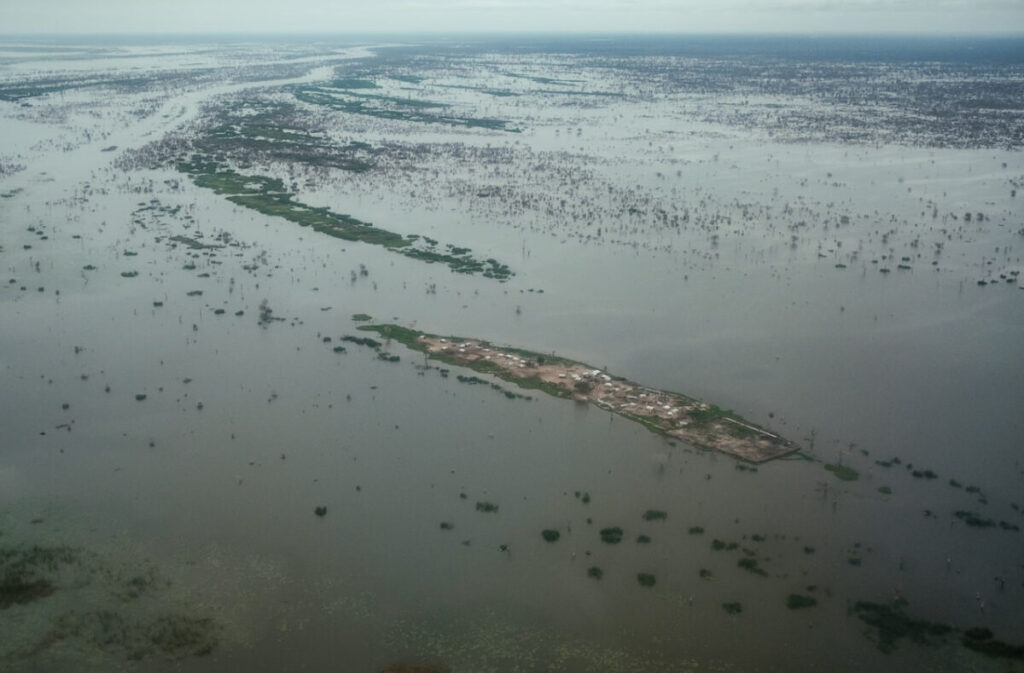
Diverted funds and food supplies since the war in Ukraine has been one source of South Sudan’s bleeding. Another is a swath of severe weather events that left much of the country reeling under devastating floods or life threatening drought. The resulting hunger crisis is worsened by a continuous flow of Sudanese refugees from the north, seeking asylum across South Sudan’s borders since war broke out there last April. 

The current administration is blamed for business as usual corruption tactics in misusing the country’s promising natural resources, and faulted for failing to extinguish flames of ethnic rivalries that persist among more than sixty different tribes that comprise South Sudan’s citizenry.

The World Bank continues to identify South Sudan among “the poorest countries in the world,” in which four out of five people live below the international poverty line. Freedom House’s 2023 Freedom in the World report places the nation in a tie alongside Tibet and Syria at the bottom of 210 countries and territories considered “not free.” Other dismal rankings were given for corruption and fragility. 

The article calls for western governments to reinstate political and financial relationships that were once a hallmark of the world’s newest nation, but of lately have been met with indifference. If western allies do not, the author points out, factions of South Sudan will reach out to strengthen relationships with enemies of the west, and the free world could risk losing the progress that was painstakingly achieved.

Further, South Sudan’s population is in greater need than ever of humanitarian support, with the significant drop in aid that occurred in unfortunate timing alongside the country’s natural disasters and influx of war refugees. To say now is not the time to look the other way in a crucial moment of South Sudan’s journey is understated. With the fragile nation at a potential tipping point, it’s of greater importance to prioritize their humanitarian and political support higher up the list, ensuring the scales are tipped in the right direction. Continue reading here.

Kumi

Boy Saved from Deadly Cerebral Malaria

Ten year-old Kumi is described as a lively boy who enjoys laughing and joking with his family and neighbors. Like so many in Africa, the people of Laro Village in Sudan’s Nuba Mountains are vulnerable to malaria. The nation of Sudan has the highest incidence of malaria in the eastern mediterranean.

At first it resembled flu-like symptoms when Kumi complained one day of a headache and general body aches. But by day two he took a serious turn for the worse. As he was walking, Kumi suddenly collapsed and fell unconscious.

Mother of Mercy Hospital, where Dr. Tom Catena has served as missionary doctor and hospital director for 15 years, is a two-hour journey from Kumi’s home. Kumi’s mother carried her son the entire distance to the hospital, hoping to get him critical help in time.

When he arrived, he was rushed in for testing and Dr. Tom diagnosed the ten year-old boy with cerebral malaria – a fatal condition if not immediately treated. It is the most dangerous and severe form of neurological malaria.

Dr. Tom wasted no time intubating Kumi and administering antimalarial medications. For a tenuous four days, Kumi’s mother, Khalatia, waited by his side. “I didn’t know or believe that my son would live,” she said. Kumi couldn’t eat or drink during that time, and he received nourishment through an NG tube.

Five days later, the treatment finally began to get the best of his illness. Kumi regained consciousness, and when he awoke, it became clear he had turned a corner. Everyone breathed a sigh of relief. Kumi was going to be all right.

His mother was emotionally exhausted but elated with gratitude. “Thank you to all the doctors and nurses for their good work for my son to recover,” she expressed. “Having been given this medicine, he is improving so well. I thank God for all the generous donors who send medicine to this hospital – God bless you!”

At the time of this writing, Kumi was able to stand again and eat on his own. He is expected to fully recuperate. Soon he will be back to teasing with his siblings and friends at home in Laro Village – because a team of dedicated medical professionals and supporters from across the world were there when he needed it most.

These stories of Lives Saved are possible because of your support to Dr. Tom and his team at Mother of Mercy Hospital. Thank you for helping save children like Kumi from the ever-present but treatable threat of malaria.


Would you like to pray for us? Sign up for our email prayer group to receive weekly emails sharing important needs to pray for. You’ll join a faith community around the globe praying to bring hope and help to suffering people in a forgotten part of the world. Click here to find out more.

 Dr. Tom Catena Honored as 2023 Theodore Roosevelt Award Recipient

Dr. Tom Catena, longtime partner of Sudan Relief Fund, has been named this year’s recipient of the NCAA Theodore Roosevelt Award in recognition of his 15 years of selfless service as a missionary doctor and hospital director in Sudan’s Nuba Mountains. He was formally recognized on Wednesday, January 10, 2024, at the NCAA Convention Welcome and Awards Presentation in Phoenix, Arizona.

The award is given in honor of a “distinguished citizen of national reputation and outstanding accomplishment, who graduated from an NCAA member institution and earned a varsity athletics award or participated in competitive intercollegiate athletics.” The individual who receives the Theodore Roosevelt Award “exemplifies the ideals to which collegiate athletics programs and amateur sports competitions are dedicated through their personal example and societal contributions.”

Dr. Tom was instrumental in founding Mother of Mercy Hospital which serves a population of over a million people in the remote region of Nuba, where few have access to medical treatment. The Sudan Relief Fund sponsored facility is the only one of its kind for hundreds of miles in all directions. There Dr. Tom works seven days a week as the only resident surgeon. He sees up to 400 patients a day and is on call every night. Dr. Tom has worked through times of warfare, intense political persecution, and survived bombing raids and serious illnesses – including one severe bout of malaria that put him in a coma. Nevertheless he remains steadfast to continue serving the under-reached people of Nuba.

Dr. Tom Catena is a graduate of the ivy league Brown University, where he majored in engineering and distinguished himself as an All American football player. He later felt called to move into the medical field to do medical missionary work. Since 2009, he has worked in partnership with Sudan Relief Fund to bring medical care to the people of Nuba, at Mother of Mercy Hospital and through a medical training program he recently established to put more healthcare professionals in the field locally.

Dr. Tom notes how the principles of success in sports, similar to those he used playing college football at Brown, equate with life challenges – lessons like consistent hard work and persevering through adversity.

“There are direct correlations between a sport and the life I certainly experience here in the Nuba Mountains,” he said. “We’ve had multiple times when I was the only doctor here … There’d be 100 wounded (soldiers) come in during the middle of the night, and I, along with my small team, would have to get through all those patients and be up all night working.”

It’s not the first time Dr. Tom’s laudable record of self-sacrifice has been recognized. He is known locally as a hero of the people, and has received international honors including the 2017 Aurora Prize Laureate for Awakening Humanity, the 2018 Catholics in Media Associates Social Justice Award, and the 2020 Gerson L’Chaim Prize for outstanding Christian medical missionary service.

True to his character, Dr. Tom’s perspective is laser focused on his lifesaving work. He delights that the NCAA award brings publicity to the needs of people in this remote outpost of Sudan. He continually focuses on moving forward, including his current push to establish local clinics staffed with professionals he’s trained himself, to give more of the population access to healthcare. Read the full article here.

Salfa

A Little Girl is Saved From the Grip of Deadly Disease

Salfa was a six year-old girl who had just started going to school. Even though she was a bit shy, Salfa was excited about attending and she enjoyed her classes.

But one day when she was at school, something wasn’t right. Without warning, Salfa suddenly fell to the ground. Her knee took a significant brunt of the fall, and soon began to swell. It didn’t take long before her knee became excessively painful.

The swelling and pain in her knee seemed disproportionate for Salfa’s injury, but grew so severe that she was taken to the nearby clinic in Dabi. There, Salfa was given medicine, but it did nothing to alleviate the swelling or excruciating pain.

Salfa began to cry all the time, and the swollen, painful knee left her unable to walk. After enduring this condition for a few weeks with no sign of improvement, Salfa’s grandmother took her to the nearest hospital. She spent a day at the facility, but the staff ultimately advised her grandmother to take Salfa to Mother of Mercy Hospital.

It was a lengthy journey, but Mother of Mercy Hospital was renowned for helping patients who didn’t find a cure anywhere else. Mother of Mercy is a mission hospital supported by Sudan Relief Fund, the only facility of its kind for hundreds of miles in the Nuba Mountains. Dr. Tom Catena, a local hero and the hospital’s director, serves diligently as the only on-staff surgeon.

After conducting a series of tests, Dr. Tom revealed that Salfa was suffering from tuberculosis, which had progressed to the point that the little girl was extremely weak. The TB had infected Salfa’s knee and was the reason she could no longer walk.

Dr. Tom immediately began giving Salfa medicine to treat the tuberculosis. Day after day, the little girl lay in her hospital bed, as her grandmother waited by her side and prayed to see any sign that her granddaughter might be turning a corner.

One morning, Salfa was able to sit up. By Day 20, the young girl could stand up and walk very slowly. After a month of treatment, she had progressed so much that she was nearly her normal self again. Salfa was on course to achieve a full recovery.

Salfa’s grandmother was exhausted and relieved, but energized at the joy of seeing her granddaughter’s healing. She overflowed with expressions of gratitude to Dr. Tom and the hospital staff.

“Thank you to Dr. Tom and those who work with him,” she said. “And also a big thank you to those who help this hospital.” Soon six year-old Salfa would be able to return home with her grandmother. Only this time she would walk on her own.

These stories of Lives Saved are possible because of your support to Dr. Tom and his team at Mother of Mercy Hospital. Thank you for helping to save children like Salfa from the deadly but curable sickness of tuberculosis.


Would you like to pray for us? Sign up for our email prayer group to receive weekly emails sharing important needs to pray for. You’ll join a faith community around the globe praying to bring hope and help to suffering people in a forgotten part of the world. Click here to find out more.

Giving Thanks for You

This Thanksgiving, Sudan Relief Fund is especially grateful for you. Every gift you share throughout the year that provides medicine for sick people, shelter for an orphan, food to starving families, and clean water to those drinking mud, makes a lifechanging difference and an impact in our world. The recipients of your gifts are grateful, too. As one mother expressed whose child was saved by a hospital you support, “I have nothing tangible to give you. But I pray you have long life and are very blessed!”

Perhaps those intangible gifts are the most meaningful of all. We at Sudan Relief Fund wish you the fullness of joy in the company of people you love. And we thank you for remembering others as you faithfully share your blessings all year. Miles away across continents and in a very different setting, someone is lifting up a prayer of thanks for you.

Ahmad

Eight Year Old Boy is Cancer Free

Eight year-old Ahmad was of slight build and small for his age. But that’s not uncommon for children in this region of Sudan where Ahmad lives. Malnutrition and a lack of clean water affect the early growth of many children in the region. Ahmad wasn’t outside playing today because he complained to his mother that the right side of his head was hurting.

He was having these headaches more often. His mother, Saida, determined she would go to the dispensary for medicine. It wasn’t like Ahmad to choose rest over playing outside.

That evening she went to the local dispensary and received anti-malarial medications to give Ahmad. Malaria is one of the leading killers among children in Sudan, and many children die before age five from the scourge. Malaria’s early onset can cause headaches, and the pharmacist believed this would help.

Only it didn’t. Within days, Ahmad’s eye began to visibly swell, and terrible pain set in. He couldn’t eat or sleep and began vomiting from the pain. Without delay, his mother took him to El-Obeid Hospital in the nearest town.

At El-Obeid, Ahmad received a scan and a doctor gave him different medication for the symptoms. But once again, the efforts produced no improvement.

The swelling and pain only grew worse for young Ahmad. Saida tried to hide her fear that her son would lose his eye. The next morning she awoke to a frightening sight. She could see Ahmad’s mysterious swelling was spreading to his neck.

For the first time, Saida worried her child might die from whatever was causing the burgeoning swelling and pain in his body. Trying not to display her panic, she packed him up and took him to Khartoum, the capital city of Sudan, to a state hospital.

But the timing of her trip was tragic. A brutal conflict that would escalate into all-out war was just breaking out in the capital city. Saida was forced to flee Khartoum with her suffering child, and return heartsick to her home town.

Saida felt overwhelmed with despair and helplessness, desperate to find a way she could help her boy. She learned about Mother of Mercy Hospital, a missionary facility in the remote Nuba Mountains. There, a physician known as Dr. Tom, was renowned for saving many lives. He was somewhat of a legend among the locals, and well respected for his commitment to helping the people.

It was a long, rugged distance, but Saida was willing to try anything to relieve her son’s suffering. She fought against her sinking fears, wondering if they would get there in time, wondering if this doctor would be able to help her young son.

Mother of Mercy is the only hospital in a 300-mile radius of Gidel – the small area in the Nuba Mountains where the hospital is situated. It is capable of providing high-level emergency surgeries and first-world treatment. It is not unusual at all for patients and loved ones to travel days on foot to reach the facility. It is often their last attempt to find the help they’ve not received anywhere else.

Ahmad was weak and frail when he arrived, and he was admitted immediately. For fifteen years, Dr. Tom has worked seven days a week, on call 24/7, in wartime and peacetime at Mother of Mercy. In the literal sense, he has seen it all. But even his heart was not immune to aching for this little boy today.

He listened as Ahmad’s desperate mother recounted their experience. Dr. Tom immediately ran tests to find the source of the little boy’s swelling. The diagnosis was heartbreaking. It was a cancerous tumor that was spreading rapidly.

Without delay, Dr. Tom and his team began administering chemotherapy drugs to the small boy. Then a remarkable thing happened for the first time in Ahmad’s exhausting struggle – his body began to respond to the treatment and evidence dramatic improvement.

Within days, the tumor had dissipated, Ahmad’s eye opened back up, and his pain was finally gone. The young boy would experience a full recovery and be given a clean bill of health to go home.

Saida was overwhelmed. This time in a joyous way. “I have nothing tangible to give you,” she said humbly. “But I pray that you and your staff live a long life and are very blessed!”

She admitted she had expected to lose her boy. “I thank God for Dr. Tom and this hospital who saved the life of my son and the lives of so many others. Without you, we would surely have lost him.”

Dr. Tom echoes Saida’s sentiments in thanking God. And thanking every individual whose support puts the medicines and surgical instruments in his hand which make it possible to save lives like that of an eight year-old boy.


Would you like to pray for us? Sign up for our email prayer group to receive weekly emails sharing important needs to pray for. You’ll join a faith community around the globe praying to bring hope and help to suffering people in a forgotten part of the world. Click here to find out more.

UN Calls Sudan Crisis ‘Worst Humanitarian Nightmare in Recent History’

After six months of intense fighting, the UN says the war in Sudan has now reached “the worst case scenario” and become “one of the worst humanitarian nightmares in recent history.”

More than 5.6 million have been displaced inside and outside the country of Sudan, since fighting broke out in April between the Sudanese Armed Forces (SAS) and the Rapid Support Forces (RSF) paramilitary group. 

“For six months, civilians – particularly in Khartoum, Darfur, and Kordofan – have known no respite from bloodshed and terror,” said the UN’s Humanitarian and Emergency Relief Chief, Martin Griffiths.

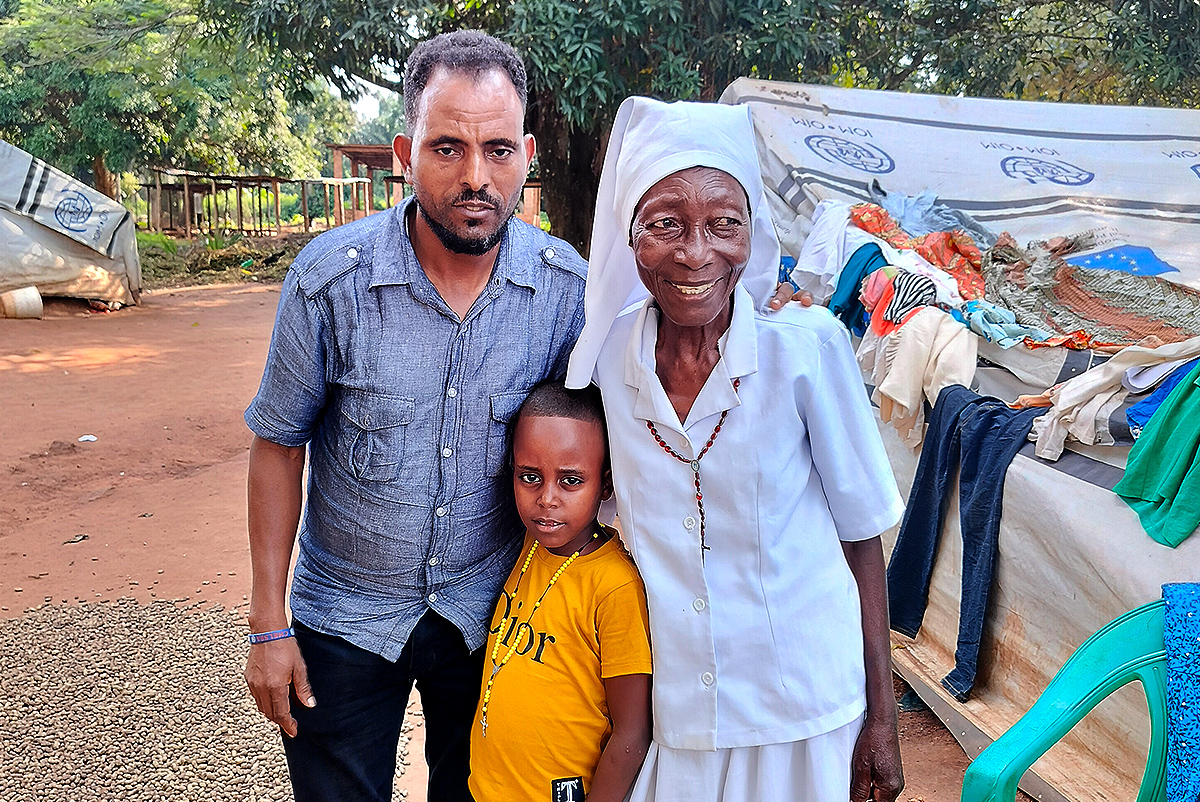
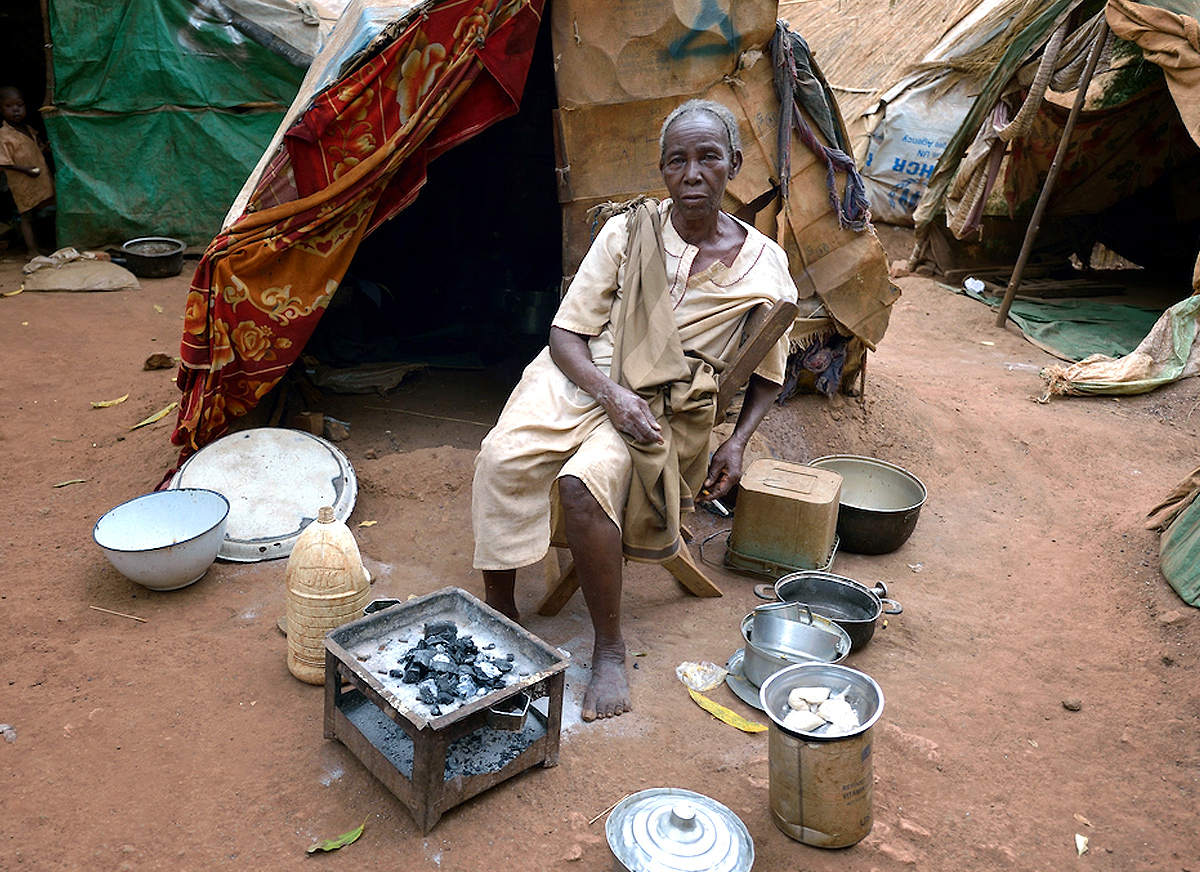
Faces of War – Since fighting broke out in April, over 5 million Sudanese have been forced out of their homes to bordering nations and refugee camps.

Help Provide Food to Millions of Displaced People 

The fighting that began in Sudan’s capital city of Khartoum April 15th erupted in response to mounting tensions over a planned transition to civilian rule that was to take place. Instead, two generals who formerly joined forces to organize a 2021 military coup are now embattled in a bitter power struggle for control of the country, with no anticipated negotiation in sight.

Thousands of citizens from Europe and other nations have been flown out of Sudan, but many Americans are expressing frustration over lack of help from the US government, as much of the world continues to ignore the escalating crisis.

Meanwhile millions of civilians are caught in the crossfire in what the UN says is now “the largest internal displacement crisis in the world.”

In May, Sudan Relief Fund supporters helped provide a rescue boat to transport trapped refugees to safety. The boat carries 800 passengers at a time over a two-day journey from Renk, a town on the border of South Sudan, to Malakal. When displaced families arrive, our teams are on the ground providing emergency supplies to those arriving to the Malakal refugee camp.

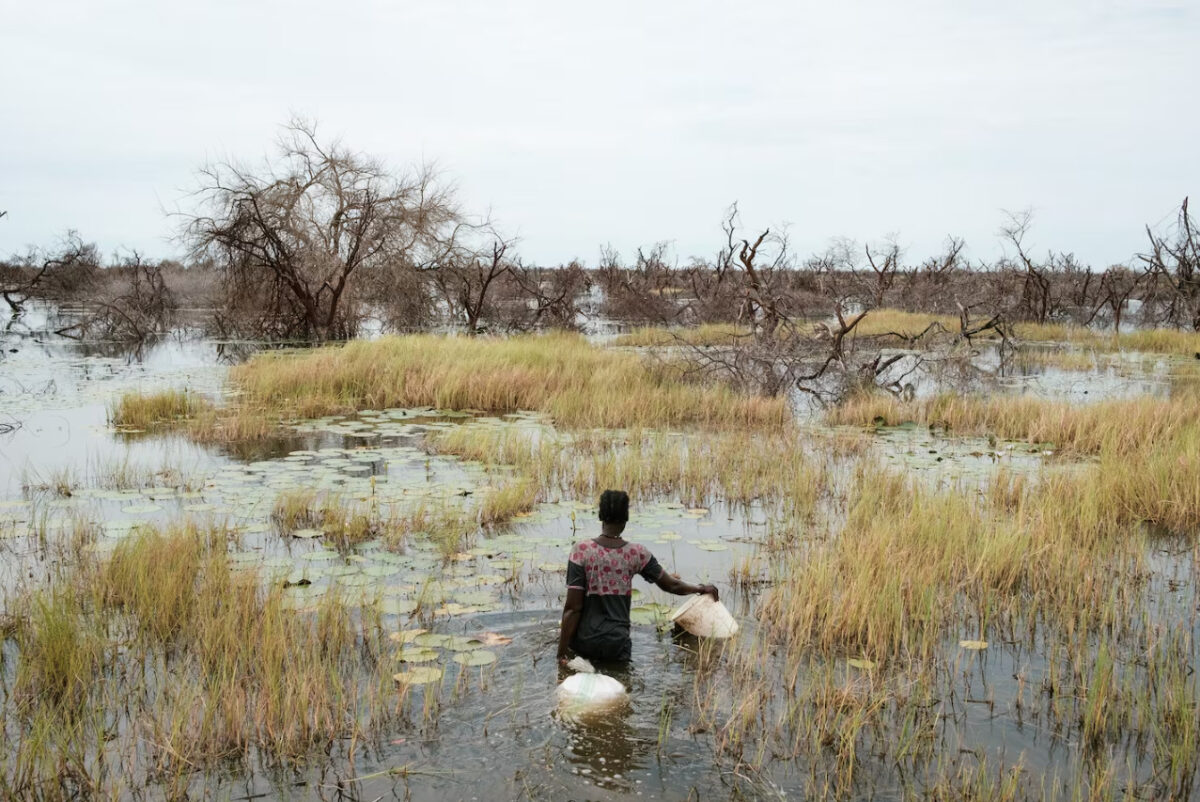
Behind Walls of Terror – For 6 months civilians have had “no respite from bloodshed and terror” in what the UN calls “one of the worst humanitarian nightmares in recent history.”

 Help Provide Clean Water for Families Fleeing to Refugee Camp

Approximately 70 percent of the hospitals located in war zones across the country are no longer functioning, as Sudan’s emergency medical facilities are being pushed to the breaking point.

The World Health Organization reports 58 verified attacks on healthcare facilities, in addition to 31 deaths and 38 injuries to healthcare workers or patients. In some locations, surgeries have been suspended completely because of military activity preventing supplies from being successfully delivered to hospitals and humanitarian facilities.

“Emergency rooms are congested and many hospitals have closed completely,” says a representative from Médecins Sans Frontières, also known as Doctors Without Borders. “In the capital, Khartoum, MSF medical teams are witnessing one of the most intense urban conflicts currently taking place worldwide.”

Help Provide Emergency Medical Care for Victims

“Critical supplies remain blocked and stocks in the hospital are now depleted,” said MSF’s Operations Coordinator for Sudan, Michiel Hofman.

In the meantime, Sudan Relief Fund sponsored Mother of Mercy Hospital located in the Nuba Mountains of Sudan, continues to extend a call for donations to rush supplies to the facility, in preparation for the spreading of warfare. The hospital has already seen a 50 percent increase in incoming patients.

Continue reading here

How You've Helped

Pope Francis Center

Read More

St. Theresa Hospital Nzara

Read More

Agok Leper Colony

Read More

Mother of Mercy Hospital

Read More