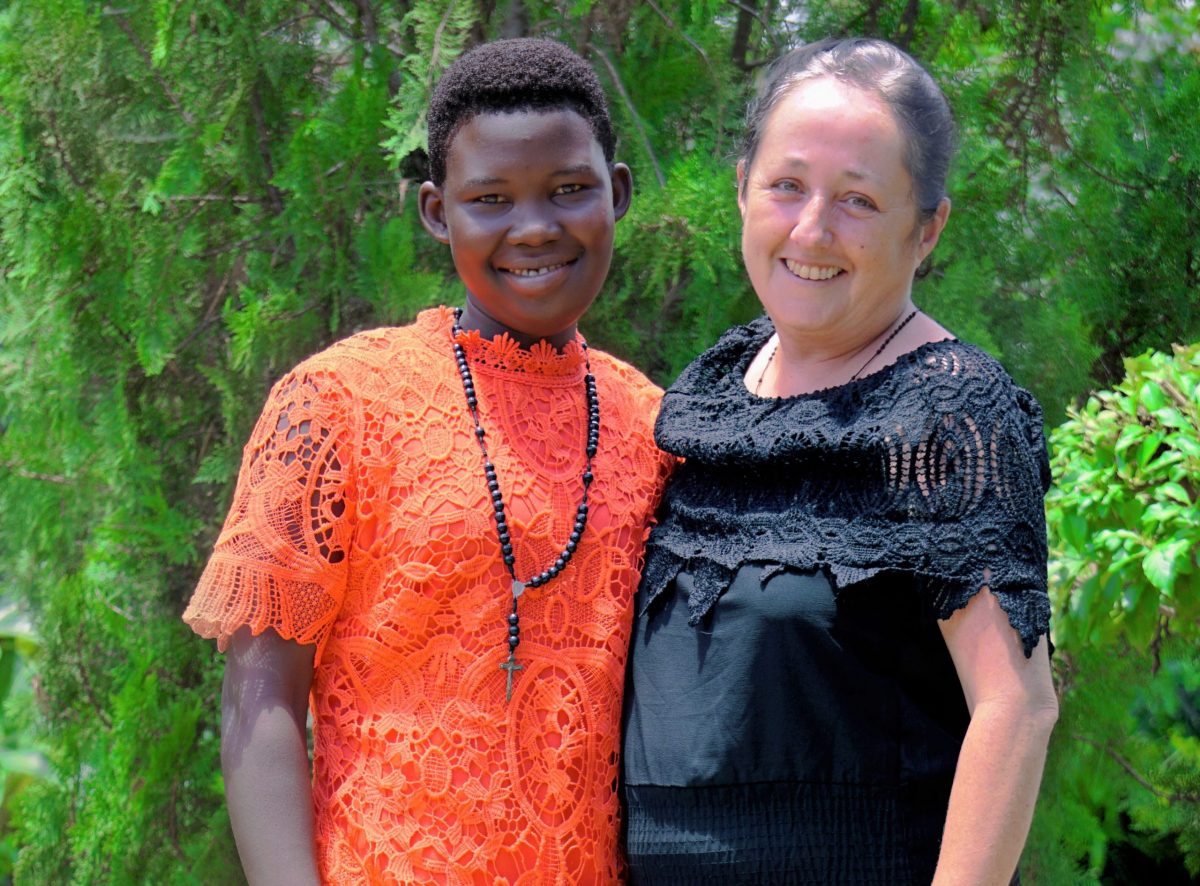
Sr. Bianca Bii Defies the Odds to Save Children in Tombura-Yambio

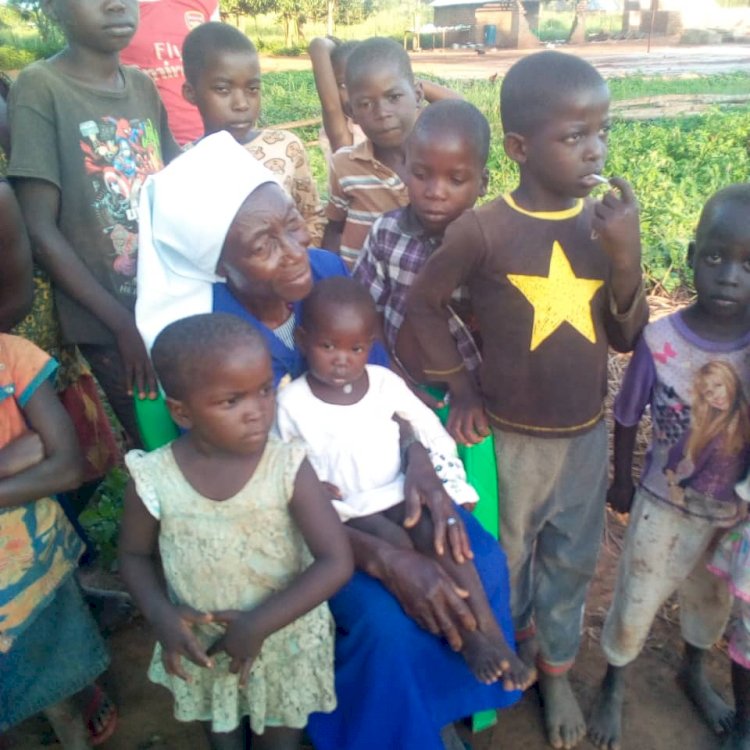
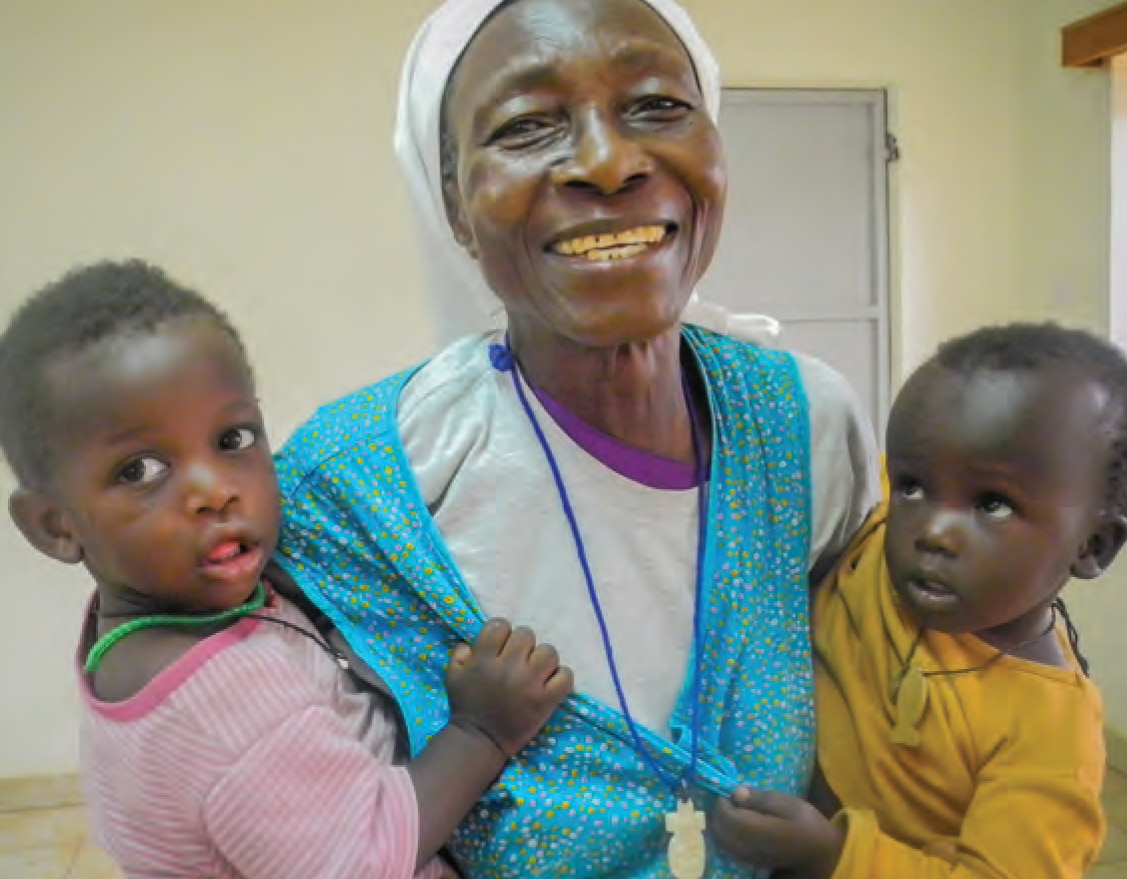
Over the years, countless children have been left orphaned and homeless due to the ongoing war of independence between Sudan and the Republic of South Sudan. One person who has been fighting to save these children despite the overwhelming odds is Sister Bianca Bii.

Sr. Bianca was born in a culture where women are expected to remain homemakers, tasked solely with caring for children and being a good wife. However, she was born with a strong diligence and resilience that gave her the motivation to pursue her mission of serving the Lord.

YouTube Video

She joined the school at the Our Lady of Assumption Catholic Parish, Riimenze, in 1952 after a Comboni missionary requested that her father allow her to attend. Years later, after finishing her early schooling at Riimenze, Bianca then went to Mupoi to continue her education. It was there that she approached a nun and expressed her desire to become a nun herself, and she was then admitted as an Aspirant. Around the same time, Sudan’s Arab government began to send away British government officials as well as Comboni missionaries.

One of these missionaries, Father Fera, began a new religious congregation with several sisters, including Bianca. At age 17, Bianca Bii made her first vow into the religious life, and she then took her final vows and became a professed member of the Congregation of Missionary Sisters of the Blessed Virgin Mary in 1963.

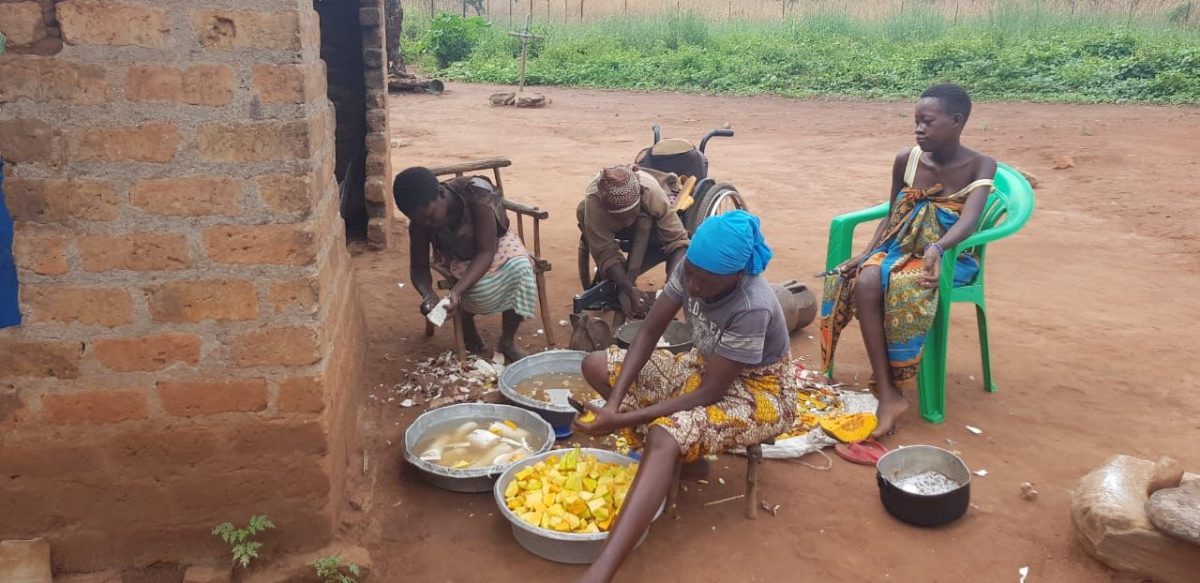
A year later, Sr. Bianca Bii went to visit her sick mother in Nzara, and while she was there, she saw the numerous orphans whose parents were killed during the 21 years of civil war. Seeing their hopeless faces spurred Bianca into action, and she made it her mission to institute change.

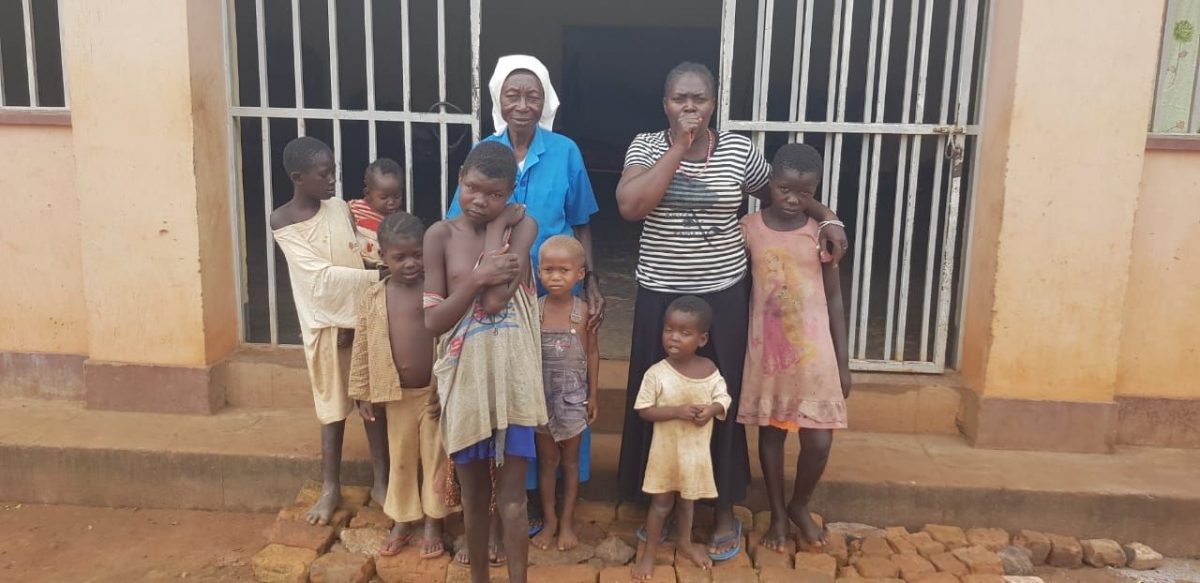
One of the first things she did was set up a schedule where she would move from home to home each night to pray with and provide comfort for the orphans, and on Saturdays, she would invite them to her home so she could wash their clothes and allow them to bathe. Later on, Sr. Bianca wrote to Bishop Titarani Joseph Gasi Abangite of the Catholic Diocese of Tambura-Yambio with a request that he allow her to officially take care of the poor orphans across the parish. With the Bishop’s approval, this started St. Bakhita Orphanage in Tombura.

Since she began her mission, Sr. Bianca has helped many children complete their primary and secondary school education, and some of these children have gone on to pursue higher learning. One such student is Grace Umerani, who, in 2016, emerged as the best student in South Sudan and is now pursuing a degree in public health from a university in the United States. Grace remains in contact with Sr. Bianca, offering financial and emotional support whenever possible. She has indicated that she will return to her hometown after completing her studies so that she can help change the region with her medical expertise.

Sr. Bianca is also responsible for helping a young man who lost his parents when he was five years old. Today, that man has become one of the most successful businessmen in South Sudan, owning an expensive hotel in Western Equatoria. To this day, he regularly donates food and money to St. Bakhita orphanage, always remembering what Sr. Bianca did for him in his darkest times.

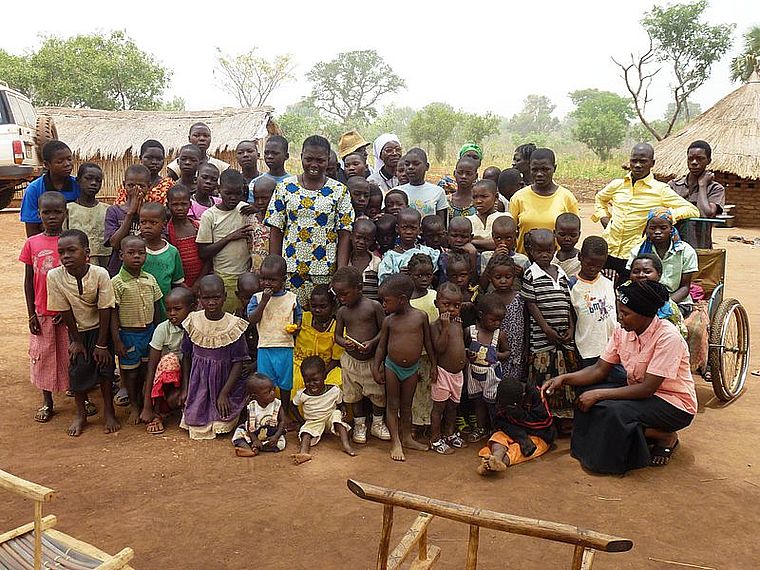
Many women have joined Sr. Bianca’s cause, and today, St. Bakhita takes care of approximately 65 children. Although they are making a difference in the world, they believe that the orphanage still needs support to better accommodate the children. Right now, they need more scholastic materials and food assistance, as well as funding to build more rooms.

With the help of various donors around the world, and the support of such institutions as Sudan Relief Fund, Sr. Bianca is optimistic for the future of her mission.

DONATE TO SUPPPORT BIANCA BII’s ORPHANAGE

Read more about Sister Bianca Bii’s experience here.

Project Update: Education Challenges and Advancements During Covid-19

Sudan Relief Fund has always been committed to helping children in South Sudan receive an education, and we remain so even now while some cannot attend school full-time due to the Covid pandemic. In the past several months, we have been able to provide funding for several school projects, up to almost $300,000, made possible by our generous donors.

We receive regular updates on the progress of these project stages, and we wanted to share some of them with you:

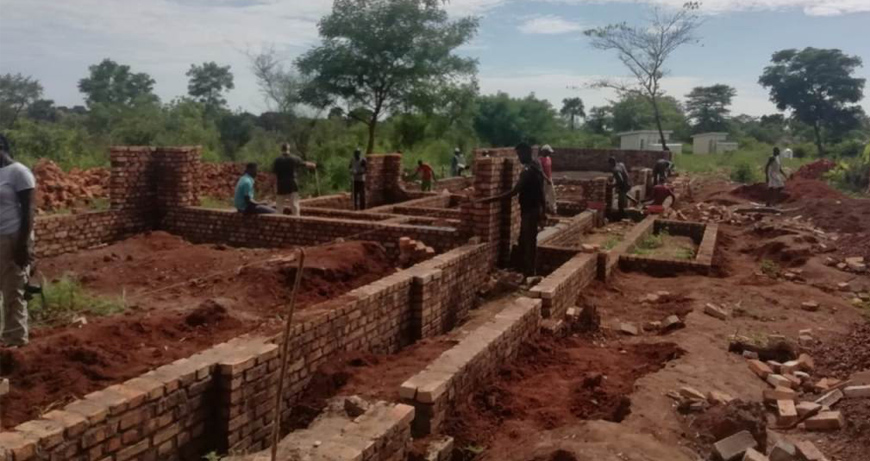
  • The Ave Maria Ngboko school’s site has exciting plans for expansion. Debris has been cleared and building materials have been delivered. Construction is set to begin very soon.
  • The St. Thomas Source Yubu school, which is adding four additional classrooms to accommodate an increase in students, is in the midst of construction and will hopefully be finished soon.
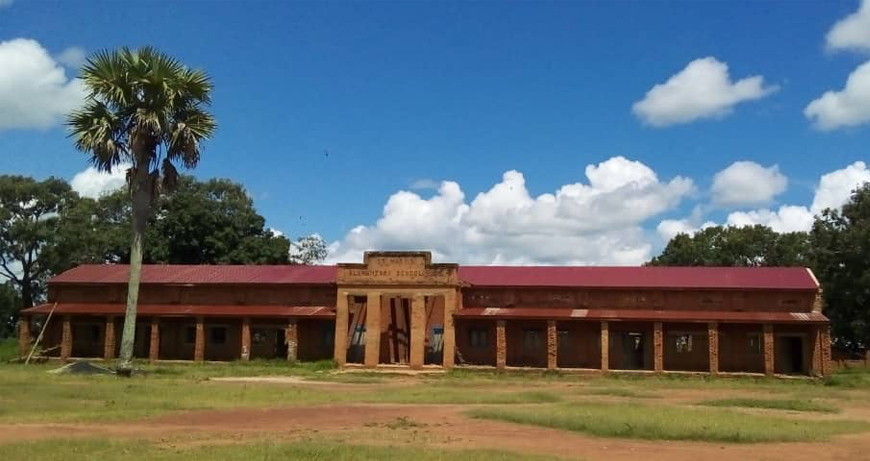
  • The St. Mary Help of Christians Tombura primary school is in the middle of their renovation project, which has already begun with the removal of old iron sheets. New materials, such as reinforced iron sheets and roofing timbers, have been delivered to the site and will soon be added to the building.
  • Thankfully the Loreto Rumbek Primary and Secondary School has seen no obvious signs of Covid-19 outbreaks. Teachers and students have been able to finally return to in-person schooling thanks to the education and enforcement of appropriate social distancing guidelines.
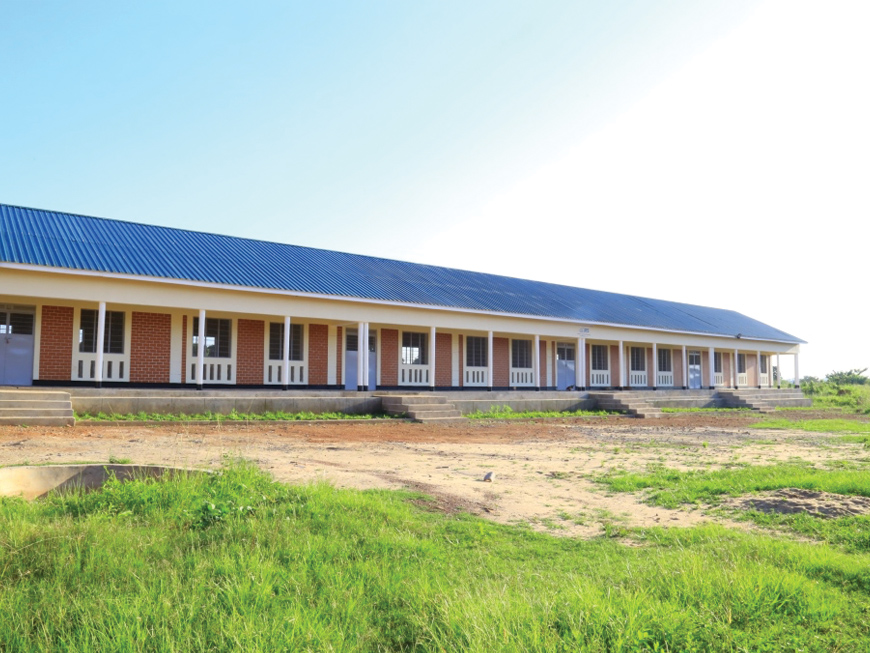
  • The renovation of the St. Mary Help of Christians Tombura primary school has officially been completed.
  • The Bishop Abangite Science and Technology Secondary School’s latest project, the construction of a new block to provide additional conductive learning classrooms to accommodate more students, has also been completed.

Despite the recent happenings, such as the spread of the Covid pandemic, the malaria season, and the tumultuous political climate, these school projects are seeing major progress, and we’re optimistic that we will be able be able to see improvements in the education system in the months ahead because of it.

According to Bishop Eduardo Kussala of the Tombura-Yambio diocese, it’s important that the children of the region do their part to further their own education and understand their history.

“The young people should engage in learning and writing about the history of the country while helping less privileged families in doing the same. This will be helpful in fighting illiteracy among the South Sudanese, which will lead to an overall more productive, peaceful, and self-sustaining society.”

Sudan Officials Finally Strike Peace Deal After Years of War

After decades of war, the government of Sudan (just north of South Sudan) and a prominent rebel group have finally struck a peace deal, taking a step in the right direction toward ending the conflict that has led to the deaths of hundreds of thousands.

On October 3rd, several official groups congregated in Juba, the capital of South Sudan, to sign off on the official landmark document. The event was attended by the Sudan Revolutionary Front, the head of Sudan’s Sovereign Council Abdel-Fattah al-Burhan, Prime Minister Abdalla Hamdock, and the South Sudan President Salva Kiir Mayardit. Other high-ranking officials from the region, such as the presidents of Somalia and Ethiopia, as well as the prime minister of Egypt, all attended the historic meeting.

This peace deal came after a year of talks and only a few short months after an initial agreement was made back on August 31st. Among the provisions of the deal are several discussions regarding land ownership, wealth distribution, political arrangements, and much more.

The agreement will also provide major assistance for the Nuba Mountain region, where Dr. Tom Catena runs the Mother of Mercy Hospital. The peace deal will help provide a safer, and hopefully cheaper,  passage to the hospital when delivering medicine and supplies to  the hospital, allowing Dr. Tom to better treat his patients.

It’s important to note that two major Sudanese rebel groups, the Sudan People’s Liberation Movement and the Sudan Liberation Army, were not part of the peace deal, but the Sudanese government is still aiming to reach some kind of agreement with them in the near future.

Read more here: https://www.aa.com.tr/en/africa/sudan-government-rebel-groups-sign-peace-deal/1994730

Sudan Relief Fund Promises Collaboration with Sudan Leaders to Improve Quality of Life

Covid-19 has taken a massive toll on the world, but the hardest hit regions are those of Africa, where life-saving medicine, clean water and food, and proper education are scarce. Sudan Relief Fund’s Director of Operations David Dettoni wants to make it clear that they have not forgotten about the world’s youngest country and that help is on its way.

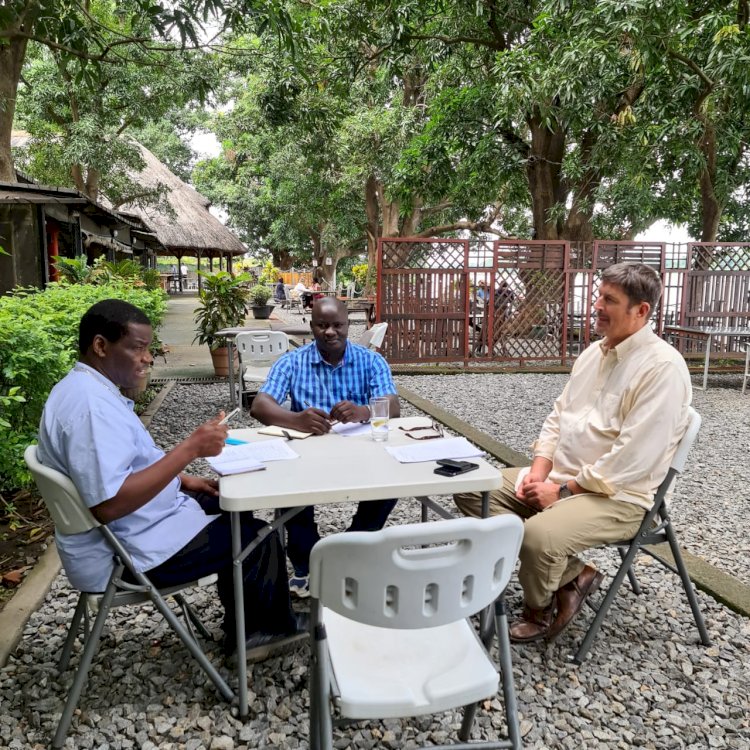
Recently, David visited South Sudan’s capital, Juba, to meet with Bishop Eduardo Kussala and to discuss new, vital initiatives to help the country. They talked about the needs of the diocese as well as numerous other projects that desperately need funding in South Sudan. According to David, the Catholic Diocese of Tombura-Yambio needs all the help it can get to improve the quality of life for the people, from additional funding for schools, to life-saving medicine and clean water.

“Since we started working with the diocese 12 years ago, we have sponsored the construction of several school expansion projects and supported the local St. Teresa Hospital, among many other programs. However, there is so much more work to be done.”

David has continued his journey throughout the South Sudan region, and he has met with the refugees in the Bidi Bidi settlement camp – one of the largest refugee camps in the world. This has allowed him to get a clear look at the situation on the ground so that he knows where to help focus Sudan Relief Fund’s efforts moving forward.

Learn more about David’s recent visit here:

https://rurugene.com/sudan-relief-fund-promises-collaborations-with-south-sudanese-leaders-working-towards-improving-peoples-lives

How Covid Has Created a Food Shortage in South Sudan

For the past several months, the Covid-19 pandemic has been impacting the world, leaving behind a wake of death, economic turmoil, and hopelessness. What many people do not realize is that Covid is also taking a significant toll on food reserves, and many regions are expecting massive waves of hunger soon, especially South Sudan.

Starving children waiting for food relief in Juba.

Juba, the capital of South Sudan, has been in the center of violence for many years due to an ongoing civil war. Due to the fighting, people have been fleeing their homes in the country to take refuge in camps inside of the city for safety. Unable to access their fields or farms, many of these refugees have become dependent on food given to them by relief agencies.

Because of growing food scarcity, South Sudan’s food prices are skyrocketing, making it difficult for a majority of citizens to afford even the most basic meals. Heavy rainfall in 2019 added to the food shortage by flooding and destroying crops and killing much livestock. By the start of 2020, more than six million people were in a status of food insecurity, meaning they couldn’t get their necessary daily nutritional requirements.

Ever since the onset of Covid-19’s spread, food has become even harder to come by. Staple foods’ prices jumped 25 percent, while a government imposed lockdown caused local food stalls to shut down, making it even more difficult for citizens to get their food. Each day, more people are finding themselves relying on little to no food, and as Covid continues to spread with no end in sight, food shortages and hunger are getting worse.

Tonight, thousands of children will go to bed starving. The good news is that you can prevent this from happening with your generous gift today. Donate today and please pray for the people of South Sudan.

You can read more about the looming food shortage here.

Jalila Noah Jirada

Jalila Noah Jirada lives in Farandallah, a small village in South Sudan. Recently, Jalila experienced a terrifying situation that no expecting mother ever wants to go through: a premature birth.

When Jalila was five-months pregnant with Nancy, she started to notice unusual things happening to her body, which she believed could affect her baby’s health. She went to the nearest clinic, who then referred her to Dr. Tom Catena’s Mother of Mercy Hospital in Gidel. For two more months, she experienced the same problems, until the hospital staff decided that the best course of action would be to deliver the baby at just seven months.

Each year, approximately one million children die due to premature birth complications. Fortunately, the generosity of Sudan Relief Fund’s donors have provided the Mother of Mercy Hospital with the right tools and medicine needed to save countless lives, including those of Jalila and her baby Nancy.

Jalila has said, “To those who send us medicine and other supplies: thank you for remembering the poor people like us. I am very happy because of you. If this hospital was not here, I would have suffered a lot and most likely my child and I would have died. God bless you.”

Dr. Tom Adopts a Son

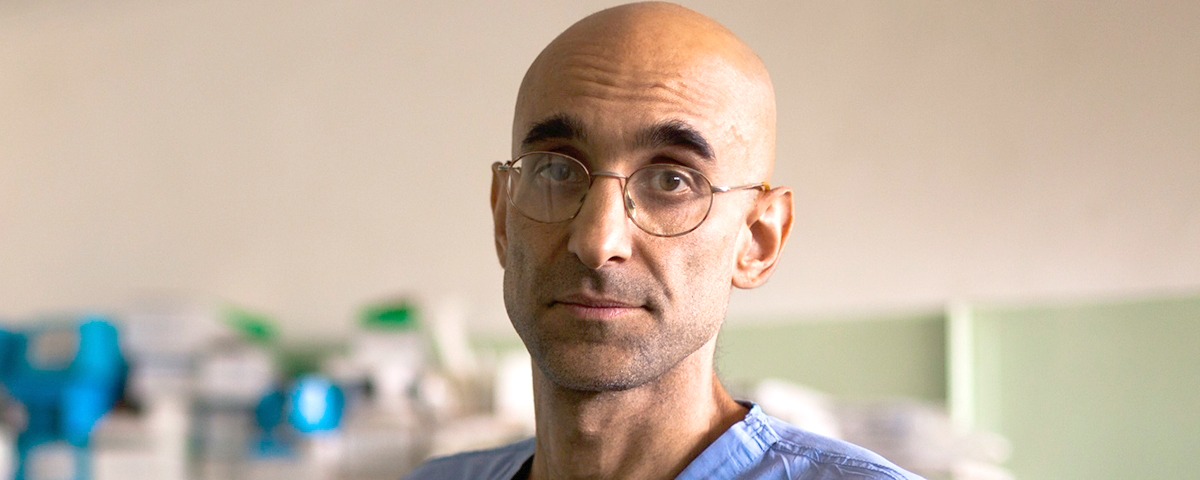
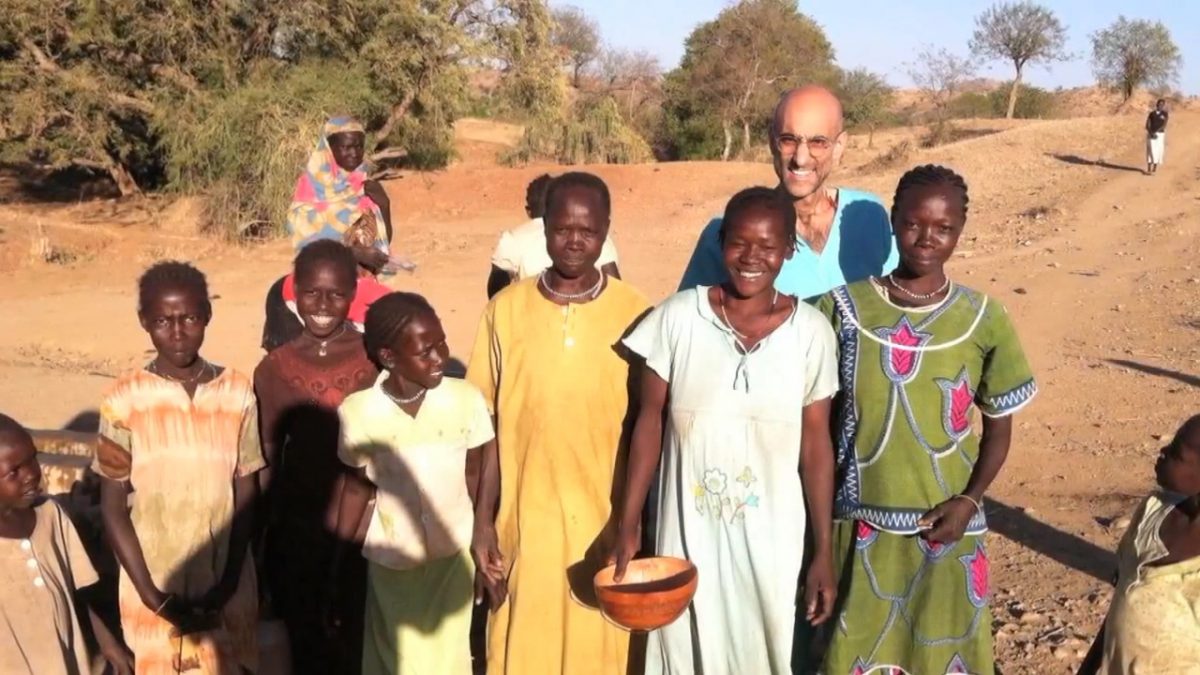
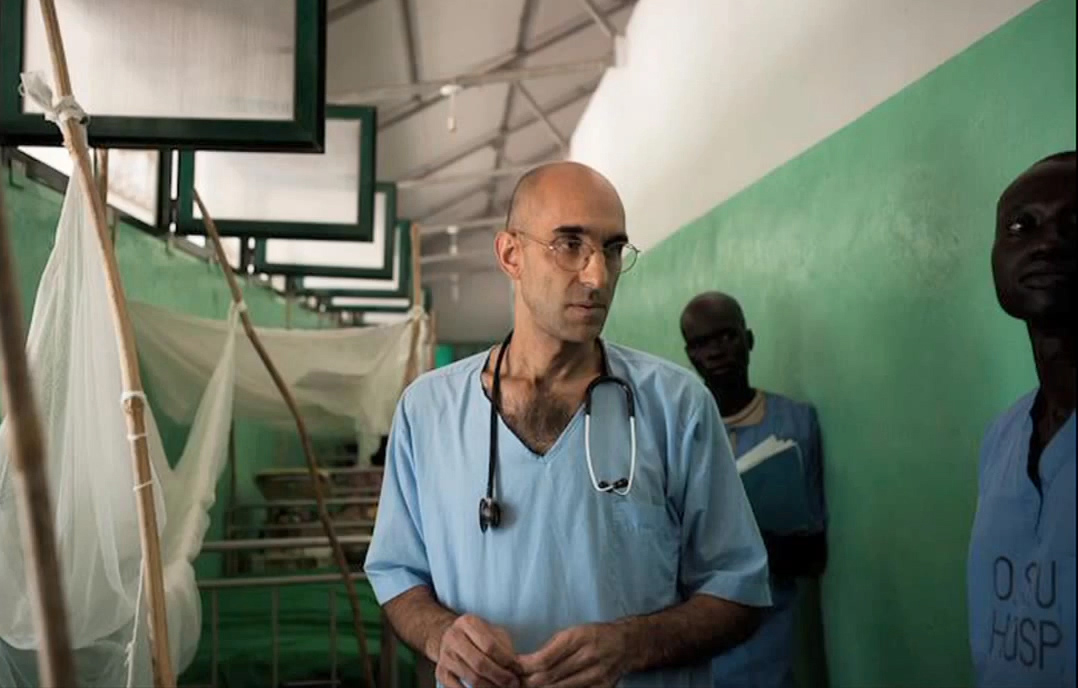
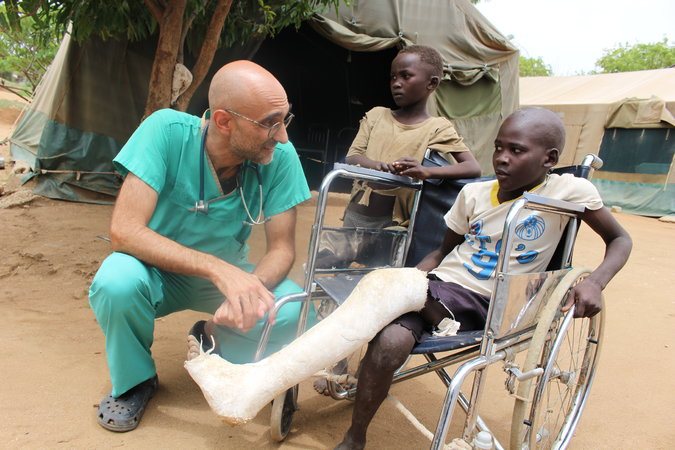
Tom Catena, an American doctor, is known throughout the world for his missionary work in the Nuba Mountains. He’s been serving as the only resident doctor at the Mother of Mercy Hospital for the last 12 years and remains committed to helping the Nuba people.

Prior to helping establish Mother of Mercy Hospital, Dr. Tom spent more than six years volunteering at St. Mary’s Hospital in Nairobi, tending to countless men, women, and children who had up until then been unable to access proper medical care. He then went on to help establish Mother of Mercy in Nuba, where he and his staff are responsible for sometimes helping hundreds of patients a day and performing more than 1,000 operations a year. He is on call 24 hours a day, 7 days a week, always ready to assist those in need. Due to lack of reliable electricity and running water, Dr. Tom must sometimes rely on decades-old treatments and methods to save people’s lives. Luckily, he is always rising to the challenge and doing everything he can for the people of Nuba.

During his service in Nuba, Dr. Tom has fallen in love with the people and culture of the region. He also met and fell in love with a local nurse named Nasima, whom he later married. After learning that they could not have children of their own, they agreed to start looking to adopt.

They were connected with an orphanage in South Sudan, where they met little Francis, a young boy who had been found malnourished and alone in Juba. In March of 2020, Dr. Tom and Nasima returned to Nuba with their newly adopted son.

At first, Francis had difficulty warming up to Dr. Tom and only found comfort with Nasima. But as time went on, Francis eventually saw him as his father, and now the three of them live happily in the Nuba Mountains. Dr. Tom loves every aspect of fatherhood, but he admits that his favorite part is watching Francis eat. After spending years starving on the streets of Juba, he now seems to eat nonstop and has seen significant improvement to his health since.

Dr. Tom and Nasima love being parents to Francis, mainly because they enjoy giving him a chance to live his life to the fullest, just as he and every other orphan deserves. Dr. Tom encourages others to consider adoption as an option, especially with how many orphans there are in South Sudan alone.

Our non-profit has worked closely with orphanages in the area for years, helping to support children with their needs, including supporting those blessed with opportunity of adoption. One such instance includes orphan Grace Umerani, who is now attending school in New York to become a public health official.

We also want to show appreciation for Dr. Tom’s work in the Nuba Mountains. When he’s not caring for Francis, he is working tirelessly at his hospital to provide much-needed medical care for hundreds of sick and dying Sudanese people. You can read about Dr. Tom’s hospital and find out what you can do to help him on his mission.

Helping the Less Fortunate By Showing Compassion

Caring for the less fortunate members of society isn’t only done out of abundance. As Mama Mary Aurupai of Juba, South Sudan, has demonstrated, simply showing compassion and some form of generosity can make a world of difference for most people.

After losing her parents at such a young age, Mary was adopted by her aunt, who raised her as if she were her own. When she finished high school, her friends offered their support to help her go to college. It was at this time that Mary discovered just how much of a difference compassion can make and how it can completely transform a person’s life.

Almost 10 years ago, Mary noticed a young man wandering the streets around her home. She struck up a conversation with him and learned that the boy was brought to the city to work with his older brother in their motorcycle business. But as they spoke, Mary saw in him a passion for learning and gaining a valuable education. She agreed to help pay for him to return to school via an adult education program in exchange for his assistance with work around her home. The man passed high school and is currently waiting to attend a university.

What makes Mary’s work so special is that she is not wealthy. She is a single mother taking care of her own children while also working full-time and assisting with the community subsistence farming. Above all, Mary is a Christian, and it was through Christ’s calling that she understood the importance of loving our neighbor as we love ourselves. It is due to her compassion, not her wealth, that she is able to help the less fortunate, and she hopes to pass that message on to others so that we can continue to change the lives of the less fortunate around us.

To learn more about this story, read: https://rurugene.com/giving-a-helping-hand-to-the-less-fortunate-members-of-the-society-does-not-require-riches-but-a-compassionate-heart

Sudanese Government Signs Peace Deal with Rebels

For more than 20 years, a civil war has raged on in Sudan between the nation and various rebel groups from surrounding regions. Recently, the Sudanese government and the heads of this alliance came to an agreement to end the fighting which has already claimed the lives of hundreds of thousands of people.

This peace deal is considered one of the first major breakthroughs since the indictment of former Sudanese dictator Omar Hassan al-Bashir, who was accused of atrocities in Darfur. After his ousting, a coalition of military and civilian personnel came together to form a transitional Sudanese governmental body that would help bring about peace and freedom. Unfortunately, battles were still happening as recently as July of 2020, and there was concern over whether the fighting would ever end.

With more 300,000 people killed in the fighting, and more than 2.7 million displaced from their homes, this peace deal, while not concrete, is seen as a major turning point in the turmoil in Sudan. There is hope that this will kick-start ongoing peace talks between the Sudan government and the rebel alliance so as to ensure that the fighting will end soon.


To find out more, read here: https://www.nytimes.com/2020/08/31/world/africa/sudan-peace-agreement-darfur.html

How You've Helped

Refugee Kits

Read More

Building Hope

Read More

St. Bakhita Gives Orphans a Home and a Future

Read More

Catholic University of South Sudan

Read More