UN Refugee Chief Calls for Peace in South Sudan

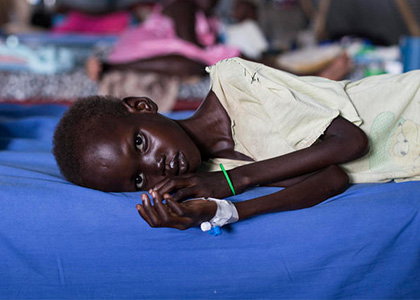
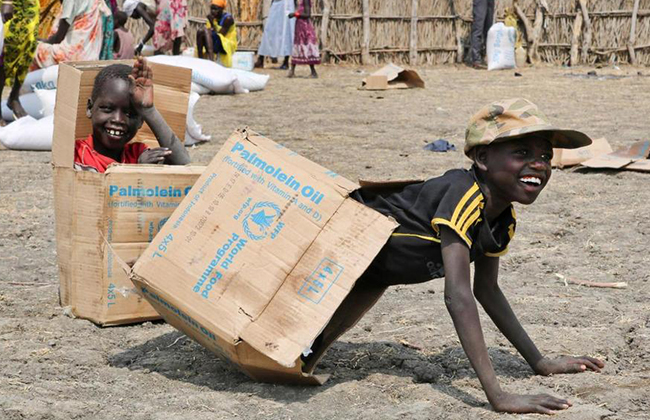
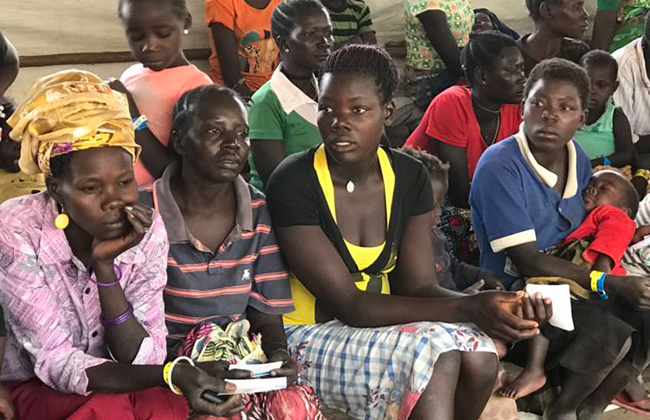
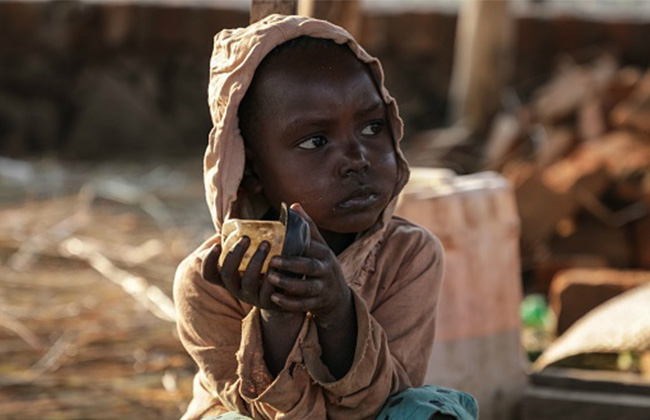
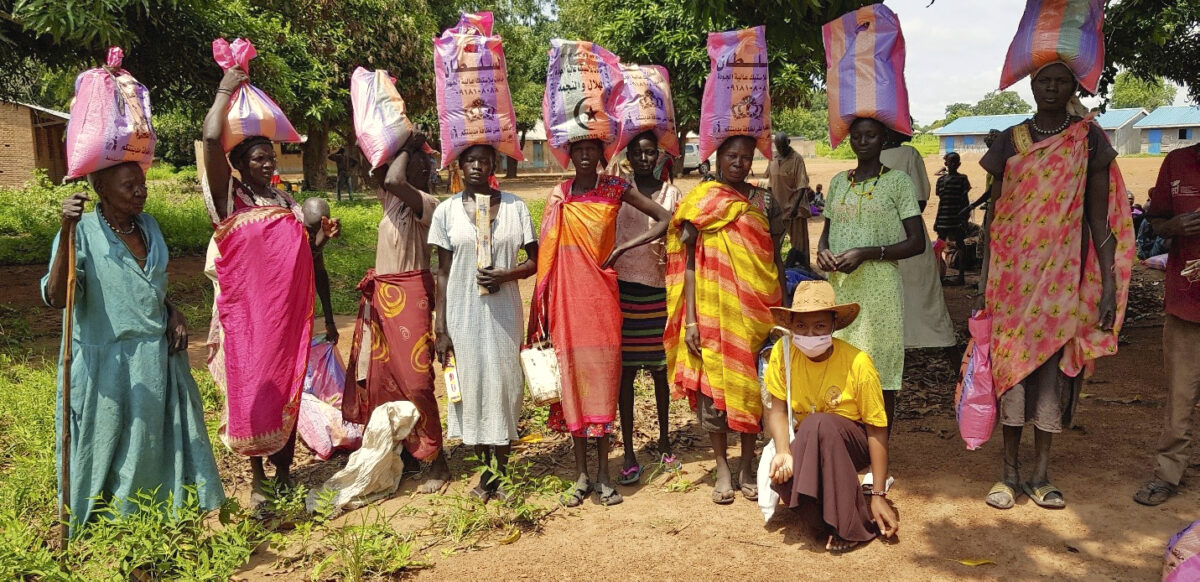
The ratio of South Sudanese refugees to local residents in the Ugandan Imvempi refugee settlement is now 1 to 4, according to the U.N. refugee agency.

U.N. High Commissioner for Refugees Filippo Grandi visited the settlement and made an appeal to the warring factions in South Sudan.

“Please make peace. We can’t subject these people once again to exile, to suffering. We can’t always take for granted the generosity of the Ugandan people. Really, we must ensure that peace comes, because everybody told me this morning, as in the past, ‘If there’s peace I will go back, because this is where I belong. It’s my country.’ “

Uganda is currently hosting 1.3 million refugees, nearly all of them from South Sudan

Read the rest here.

Why peace continues to elude South Sudan

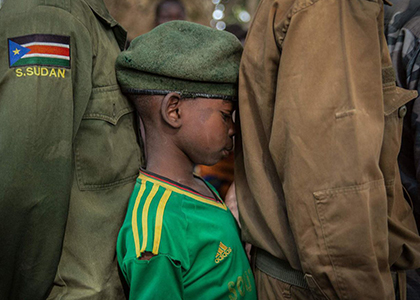
Peacebuilding attempts in South Sudan appear to be on the brink of collapse, as violence and the conflict’s chaotic and ever-shifting fault lines already threaten to topple a three-week-old truce.

What began as a two-way fight has become fractured amidst rebel infighting, splinter groups and defections, making it harder to pin down a peace agreement with widespread credibility. The ceasefire signed in mid-December was supposed to put a stop to the fighting in what is one of the world’s most deadly ongoing conflicts. However, it seems to be wearing thin following a number of deadly clashes for which government forces and rebels blame each other.

The US, UK and Norway, which brokered the ceasefire, have called on all parties involved in the conflict to stop breaking the truce and threatened to impose sanctions on those violating the ceasefire. Although threats of sanctions appear to have had some weight in the past, defections and power struggles have plagued the peacebuilding effort for some time and shows no sign of abating today.

With the current leadership, it’s hard to build peace in South Sudan, says Meressa Dessu, a researcher and training coordinator at security think-tank ISS Africa, who has worked on the UN peace mission in the country. Dessu says the government signed the deal “for the sake of playing the game”.

This week the government declared the army’s chief of staff, General Paul Malong Awan, a rebel, accusing him of responsibility for several attacks last week. In a released statement, the general accused the security services and presidential aides of making a scapegoat of him in order to maintain tensions in South Sudan, their only means of retaining power.

Yet again, the intrigue could lead to more violence.

https://www.theworldweekly.com/index.php/reader/view/magazine/2018-01-11/why-peace-continues-to-escape-south-sudan/10450/

Sudan Hopes for Sanctions Repeal as Deadline Looms

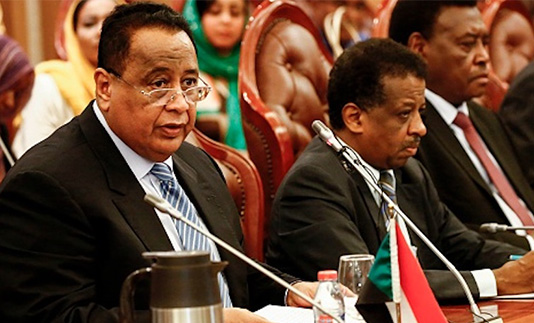
With the clock ticking on an impending Oct. 12 deadline for the permanent lifting of U.S.-imposed sanctions on Sudan, Sudanese Foreign Minister Ibrahim Ghandour arrived in Washington in an attempt to clinch the deal with U.S. authorities.

About 50 other members of the Sudanese community from all over the U.S. gathered outside the Capitol to urge the Trump administration to keep sanctions on Khartoum. The sanctions bar trade between Sudan and the U.S and put some economic restraints on Sudanese leaders.

In January, then-President Barack Obama tentatively lifted elements of U.S. economic pressure on Sudan as a reward for improved behavior from the once-rogue regime. Obama highlighted improvements, but he made the final lifting of sanctions contingent on continued compliance by Khartoum over a six-month review period.

In July, the Trump administration extended the review period, citing a need for more time.

Read the rest here.

Sudanese-American Human Rights Activist Writes an Open Letter to President Trump

Simon Aban Deng is a former Sudanese slave, a human rights activist, and an American citizen living in the United States. . Now a free man, he is determined to use that freedom to advocate for peace and prompt the Trump Administration to help end slavery and genocide

In an open letter to President Donald Trump, Simon provides counsel on the grave situation in South Sudan. He discusses how the world’s newest nation is the only country in Africa that is currently blocking Islamic extremism from flooding southward to overtake the entire continent.

Without US engagement, Simon says there would be no South Sudan today, and without its leadership again, there may not be a South Sudan in the near future.

The only hope that Southern Sudanese have now, according to Simon, is the leadership of President Trump when it comes to preventing the further spread of extremist Islam from overrunning all of Africa. The situation is still salvageable, with America’s help.


Click here to read the open letter.

Dr. Tom Catena: Lifting Sanctions Will Help Sudan’s Leaders. What About Everyone Else?

On July 12, the day by which the United States must decide whether to lift sanctions against the government of Sudan, is a day that I’ll be watching closely because it will affect me and the people I serve.

As the lone surgeon in the Nuba Mountains of Sudan, I help to run the only referral hospital that serves 750,000 citizens. Every day I treat an average of 500 patients with injuries and ailments— many of which are direct or indirect byproducts of the conflict. From my vantage point here, there has been no improvement in the humanitarian situation.

Lifting the sanctions will, in fact, serve to reward the bad behavior of a government that has not allowed humanitarian aid to enter our region. It would reward a government that has targeted civilian areas of the Nuba Mountains with indiscriminate aerial bombardments and artillery shelling for the better part of the past six years.

I know this is a complicated set of issues for U.S. policymakers to weigh, but I’d make this plea on behalf of the men, women and children I treat every day: Please extend the sanctions to hold Khartoum accountable. Let’s not let Sudan’s government off the hook.

Read full article by Dr. Tom Catena here.

Frank R. Wolf: Putting Sudan on notice

On July 12th, the Trump administration postponed a decision for 90 days on whether to continue to implement U.S. sanctions on Sudan that were established as the result of decades of violence, genocide and crimes against humanity.

Together we brought testimony, evidence, and arguments to the administration. And they listened. At a time when there is much tension in our culture and politics, it gives me hope to see many people and organizations come together on this important issue, and to be able to have an impact for those suffering in Sudan.

I am grateful to President Trump for extending the review period so his administration has more time for fact-finding and comprehensive analysis. The United States must ensure that the genocidal government of Sudan will not use the lifting of sanctions as a means to acquire the capacity to commit more crimes in the future. I hope all who care about this issue will speak up as the Trump administration considers its next steps.

Read the rest here.

Dr. Tom Catena: Lifting sanctions will help Sudan’s leaders. What about everyone else?

On July 12, the day by which the United States must decide whether to lift sanctions against the government of Sudan, is a day that I’ll be watching closely because it will affect me and the people I serve.

As the lone surgeon in the Nuba Mountains of Sudan, I help to run the only referral hospital that serves 750,000 citizens. Every day I treat an average of 500 patients with injuries and ailments— many of which are direct or indirect byproducts of the conflict. From my vantage point here, there has been no improvement in the humanitarian situation.

Lifting the sanctions will, in fact, serve to reward the bad behavior of a government that has not allowed humanitarian aid to enter our region. It would reward a government that has targeted civilian areas of the Nuba Mountains with indiscriminate aerial bombardments and artillery shelling for the better part of the past six years.

I know this is a complicated set of issues for U.S. policymakers to weigh, but I’d make this plea on behalf of the men, women and children I treat every day: Please extend the sanctions to hold Khartoum accountable. Let’s not let Sudan’s government off the hook.

Read full article by Dr. Tom Catena here.